
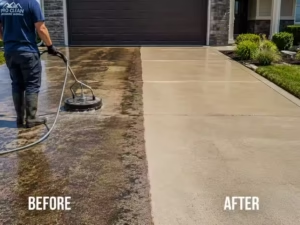
Wondering how much to pressure wash a driveway before calling a contractor? Most homeowners in the U.S. pay between $120 and $350, but deep oil stains, large concrete surfaces, and mold can raise the price fast. I learned this after trying to clean my own driveway with a rental washer and still seeing dark streaks near the garage.
This guide breaks down real driveway pressure washing costs, what affects pricing, and when DIY cleaning actually makes sense, so you can avoid costly mistakes and get better results.
How Much to Pressure Wash a Driveway
Pressure washing a driveway sounds easy at first. Then the quotes start coming in. One company says $120. Another says $500.
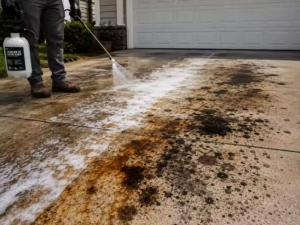
I learned this the hard way. After one long rainy season, my concrete driveway looked terrible. I thought it was just dirt. It was not. Oil stains, algae, and deep grime sat inside the concrete.
Driveway cleaning prices depend on many things. Size matters. Stains matter too. Surface type, labor, and equipment also change the cost.
A quick rinse costs less. Deep stain removal costs more.
This guide explains real driveway cleaning prices, common cleaning methods, DIY risks, and what changes the final bill. If you want realistic expectations before hiring a contractor, this article will help.
Average Cost to Pressure Wash a Driveway
Most homeowners pay $120–$350 to pressure wash a standard driveway.
In the United States, most driveway pressure washing jobs cost between $120 and $350. Small driveways may cost less than $150. Large or badly stained driveways can cost more than $600.
I once hired a local contractor for a two-car driveway. I thought the dirt was minor. The price increased after the contractor saw oil stains near the garage. That happens often.
National Average Price Range
Prices change by region. Labor costs are higher in some cities. Water costs also affect pricing.
Here is the normal range most homeowners see:
| Service Level | Typical Cost |
|---|---|
| Basic Cleaning | $75–$150 |
| Standard Residential Cleaning | $150–$350 |
| Heavy Restoration Work | $350–$650+ |
Typical Cost Per Square Foot
Many companies charge by square footage.
Most driveway pressure washing costs range from $0.15 to $0.75 per square foot.
Minimum Service Charges
Many contractors charge a minimum fee even for small driveways.
This fee covers fuel, setup time, chemicals, travel, and machine wear.
Most minimum charges fall between $75 and $125.
Typical Prices by Driveway Size
| Driveway Type | Average Size | Typical Cost Range |
|---|---|---|
| Single-Car Driveway | 200–400 sq ft | $75–$180 |
| Two-Car Driveway | 400–700 sq ft | $120–$300 |
| Large Driveway | 800–1,200+ sq ft | $300–$650+ |
Most companies use driveway size, stain level, water use, and labor time to build the final quote.
Cost Per Square Foot Explained
Driveway pressure washing usually costs $0.15–$0.75 per square foot.
Square-foot pricing gives a better estimate than flat rates.
Two driveways may look similar. Still, one may take far more work.
A clean concrete driveway washes fast. Oil stains, algae, and deep grime take more time and chemicals.
Low-End vs Premium Pricing
Cheap services usually remove surface dirt only.
Premium services may include the following:
- Stain treatment
- Edge cleaning
- Better rinsing
- Surface inspection
Low-cost work may look uneven later.
Soft Washing vs. High-Pressure Cleaning
Soft washing uses lower pressure and stronger cleaners.
High-pressure cleaning uses a stronger water force.
Soft washing often costs more because it takes longer.
Commercial Equipment and Pricing
Commercial surface cleaners cost thousands of dollars. They clean faster and leave smoother results.
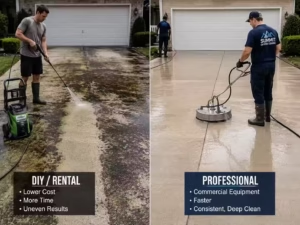
I once used a rental pressure washer myself. From far away, the driveway looked clean. Up close, I could see stripes everywhere.
Why Quotes Change So Much
Two companies can inspect the same driveway and give very different prices.
One contractor may include stain treatment. Another may only spray the surface quickly.
| Pricing Style | Typical Rate |
|---|---|
| Basic Cleaning | $0.15–$0.25/sq ft |
| Mold and Dirt Removal | $0.25–$0.40/sq ft |
| Heavy Stain Treatment | $0.40–$0.75/sq ft |
Oil stains and algae increase labor time and chemical use.
What Affects the Price
Many homeowners think driveway size controls the price. That is only part of the story.
Driveway Material
Different materials need different cleaning methods.
Concrete
Concrete handles pressure washing well. It is usually the easiest surface to clean.
Asphalt
Asphalt is softer. Too much pressure can damage it.
Pavers
Pavers trap dirt and weeds between joints. Cleaning them takes more time.
Brick
Brick needs careful pressure control. Old mortar can crack under high pressure.
Surface Condition
A lightly dirty driveway costs less than a badly stained one.
Fresh Dirt vs Deep Grime
Fresh dirt comes off fast.
Deep grime sits on the surface and needs extra cleaning.
Oil and Rust Stains
Oil and rust stains are harder to remove. Special cleaners raise the cost.
Mold and Algae
Algae grows in wet and shaded areas. These spots often need pretreatment.
Water Access and Drainage
Poor drainage slows the job.
Limited water access can also increase labor time.
Labor Costs by Region
Big cities often charge more than small towns.
Accessibility Problems
Steep driveways and tight spaces increase setup time.
Sealing Services
Many companies suggest sealing after cleaning.
Sealing costs more but helps block stains later.
Eco-Friendly Chemicals
Eco-friendly cleaners usually cost more than standard chemicals.
Driveway Material Performance and Cleaning Difficulty
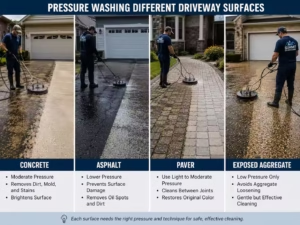
Different driveway materials react differently during cleaning.
Concrete Driveways
Concrete is strong and easy to clean.
Asphalt Driveways
Asphalt needs lower PSI settings.
Too much pressure can damage the surface.
Decorative Pavers
Pavers need careful cleaning around joints.
Exposed Aggregate
Exposed aggregate contains loose stones. High pressure can loosen them.
Gravel Driveways
Pressure washing gravel usually fails. Water scatters the stones.
| Surface Type | Cleaning Difficulty | Damage Risk | Typical Cost |
|---|---|---|---|
| Concrete | Moderate | Low | $$ |
| Asphalt | Moderate | Medium | $$ |
| Pavers | High | Medium | $$$ |
| Exposed Aggregate | High | High | $$$ |
DIY vs Hiring a Professional
DIY driveway pressure washing costs less upfront but carries more risk.
I tried DIY pressure washing once. The rental machine worked, but the job took almost the whole weekend.
The results looked uneven. Some stains stayed behind.
A professional crew later cleaned the same driveway in less than two hours.
DIY Rental Costs
Most pressure washer rentals cost $50–$120 per day.
Extra attachments and chemicals cost more.
Equipment Needed
Many homeowners forget how much gear they need.
Pressure Washer PSI
Concrete usually needs 2,500–3,500 PSI.
Surface Cleaner
Surface cleaners reduce streaks.
Degreasers
Oil stains usually need chemical treatment first.
Safety Gear
Wear gloves, boots, eye protection, and hearing protection.
Hidden DIY Costs
Fuel, water, and detergent costs add up fast.
Time vs Professional Speed
Professionals clean much faster because they use commercial machines.
Common DIY Mistakes
Too much pressure can etch concrete or damage asphalt.
When DIY Makes Sense
DIY works best for:
- Small driveways
- Light dirt
- Simple concrete surfaces
When Professionals Are Safer
Professional service is safer for:
- Oil stains
- Decorative pavers
- Large driveways
- Steep surfaces
| Factor | DIY Cleaning | Professional Service |
|---|---|---|
| Upfront Cost | Lower | Higher |
| Equipment Quality | Limited | Commercial Grade |
| Time Required | High | Low |
| Stain Removal | Variable | More Consistent |
| Damage Risk | Higher | Lower |
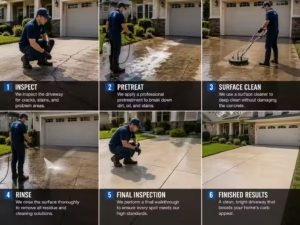
Preparation Before Pressure Washing
Good preparation improves cleaning results.
Clear the Driveway
Move cars, tools, toys, and furniture before cleaning.
Protect Nearby Areas
Plants and garage doors should be protected from overspray.
Pre-Treat Oil Stains
Degreasers need time to break down oil.
Check for Cracks
Large cracks may worsen under high pressure.
Watch the Weather
Dry weather helps the driveway dry faster.
Step-by-Step Cleaning Process
Proper driveway pressure washing includes inspection, treatment, cleaning, rinsing, and drying.
Step 1 — Inspect the Surface
Check cracks, stains, and drainage first.
Step 2 — Apply Pretreatment
Pretreatment loosens grime and oil.
Step 3 — Choose the Correct PSI
Correct pressure prevents damage.
Step 4 — Clean With Steady Motion
Slow and even movement prevents streaks.
Step 5 — Rinse the Surface
Leftover chemicals can stain the driveway.
Step 6 — Let the Driveway Dry
Most driveways need several hours to dry fully.
Mistakes to Avoid
Holding the Nozzle Too Close
This can permanently mark concrete.
Using Too Much PSI
High pressure can damage asphalt.
Ignoring Drainage
Dirty runoff can flow into garages or flower beds.
How to Know the Driveway Was Cleaned Properly
A clean driveway should look even and bright.
Surface Appearance
The surface should not have visible stripes.
Stain Detection
Some deep stains may still remain.
Uneven Cleaning Marks
Striping usually means poor cleaning technique.
Water Pooling
Pooling water may indicate drainage problems.
When a Second Treatment Is Needed
Bad oil and rust stains may need another cleaning.
Oil, Rust, and Deep Stain Removal Costs
Oil and rust stains can raise driveway cleaning costs fast.
Deep stains are one of the biggest reasons quotes increase.
Why Oil Stains Cost More
Oil sinks deep into concrete pores.
Removing it often takes several treatments.
Rust Removal
Rust cleaners cost more than normal detergents.
Multi-Step Cleaning
Some stains need:
- Pretreatment
- Scrubbing
- Pressure washing
- Repeat cleaning
Expectation vs Reality
Old stains rarely disappear completely.
Permanent Stains
Some oil stains permanently discolor concrete.
| Stain Type | Removal Difficulty | Extra Cost Potential |
|---|---|---|
| Fresh Dirt | Low | Minimal |
| Oil Stains | High | Medium–High |
| Rust Marks | High | High |
| Mold and Algae | Moderate | Medium |
Seasonal Pricing Trends
Driveway cleaning prices change during the year.
Spring and Summer
Demand rises during the spring cleaning season.
Winter Discounts
Some companies offer lower prices during slower months.
Weather Delays
Rain can delay jobs and increase scheduling problems.
HOA Deadlines
Many homeowners book cleaning before HOA inspections.
Long-Term Maintenance Costs
Most driveways need professional cleaning every 1–2 years.
Regular cleaning prevents deep stains and helps protect the surface.
Cleaning Frequency
Most driveways need cleaning every one or two years.
Sealing After Cleaning
Sealing helps block water and oil absorption.
Preventing Mold and Oil
Cleaning spills quickly helps prevent stains.
Climate Differences
Humid areas often need more frequent cleaning.
Overwashing Risks
Too much pressure washing can slowly wear down surfaces.
Real-World Cost Examples
Real examples make pricing easier to understand.
Small Concrete Driveway
A lightly dirty driveway may cost $100–$180.
Large Sloped Driveway
A steep driveway with oil stains may cost more than $500.
HOA Cleaning
HOA properties often need stricter cleaning standards.
Rental Property Cleaning
Rental homes often focus on quick cosmetic cleaning.
Commercial Driveways
Commercial work needs larger machines and higher insurance coverage.
Hidden Costs Homeowners Miss
Some cheap quotes become expensive later.
Water Charges
Large projects use a lot of water.
Chemical Fees
Special cleaners may cost extra.
Travel Fees
Remote homes may include travel charges.
Sealer Upsells
Some companies push expensive sealing packages.
Surface Repairs
Aggressive washing can expose cracks and damage.
Who Should Hire a Professional
Professional cleaning makes sense in many situations.
Older Homeowners
Large driveways can be exhausting to clean.
Decorative Surfaces
Decorative driveways need careful handling.
Heavy Stains
Professionals use stronger chemicals and better equipment.
HOA Situations
HOA deadlines often require fast work.
Time-Sensitive Jobs
Professionals finish much faster than DIY cleaning.
Who May Prefer DIY Cleaning
DIY cleaning still works for some homeowners.
Small Driveways
Light dirt is easier to handle.
Homeowners With Equipment
Owning a pressure washer reduces cost.
Budget Situations
DIY cleaning lowers upfront spending.
Simple Concrete Surfaces
Basic concrete is safest for beginners.
Practical Ownership Reality
Cheap pressure washing services can cause expensive damage.
Many online estimates look unrealistically low.
Real pricing depends on stains, surface type, labor, and equipment quality.
Why Online Estimates Mislead
Online calculators cannot inspect real driveway conditions.
Like-New Expectations
Pressure washing improves appearance but cannot reverse all aging.
Cleaning vs Restoration
Basic cleaning removes surface dirt.
Restoration work targets deep stains and discoloration.
Cheap Service Risks
Inexperienced workers may damage surfaces with high PSI.
Balancing Cost and Surface Life
Good cleaning protects curb appeal and surface durability.
Performance and Cleaning Depth
Different cleaning methods produce different results.
Surface Cleaning Efficiency
Commercial surface cleaners work faster and leave fewer streaks.
Stain Removal
Professional chemicals improve stain removal success.
Water Use
Large machines use more water.
Chemical Use
Heavy stains require more chemicals.
PSI and Cleaning Power
More PSI is not always better.
Correct pressure matters most.
Surface Protection
Proper cleaning helps extend driveway life.
Maintenance Costs
Regular light cleaning usually costs less than deep restoration later.
Drying Time
Sunlight, airflow, and humidity affect drying speed.
Environmental Concerns
Some chemicals can affect plants and storm drains.
Noise Levels
Commercial pressure washers can be loud in quiet neighborhoods.
Final Thoughts
Pressure washing a driveway looks easy until you actually try it.
I learned quickly that stains, surface type, and machine quality matter far more than most online estimates suggest.
For small concrete driveways with light dirt, DIY cleaning can work well.
For decorative surfaces, large driveways, or heavy stains, hiring a professional is often safer and faster.
The best approach is simple.
Focus on long-term surface care instead of chasing the cheapest quote.
A properly cleaned driveway improves curb appeal, protects the surface, and helps save money over time.