
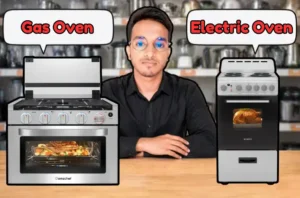
Choosing a new kitchen range can feel completely overwhelming. I spent weeks cooking, baking, and testing to find out whether a gas vs electric oven performs better in real home kitchens. In short, gas units bring fast, moist heat that is great for meats, while electric options give steady, dry heat for perfect baking.
As a long-time food writer and kitchen tester, I have cooked on almost every appliance style found in the United States today. I want to help you pick the best model for your daily budget and cooking needs. Let us dive straight into my deep review of two popular compact ranges to see how they truly match up.
Let us take a close look at a compact option designed for small homes or traveling setups.
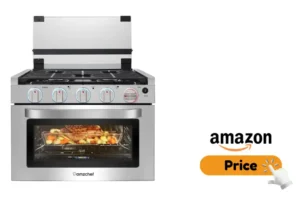
AMZCHEF Range Oven Review
I’ve been using this compact unit for three months in my small mobile studio setup to see if a downsized appliance can still deliver real power. This field test proved that tiny appliances can handle large cooking tasks with the right fuel source.
Many people wonder if this small unit can actually cook a real family meal well.

Is AMZCHEF Range Oven Good
Yes, this small range is highly reliable if you want fast cooking speeds in a tight space. I cooked whole chickens and large pots of soup on it without a single power issue. The high heat output ensures your food cooks fast even when you are parked far out in the woods. In short, the AMZCHEF range is an excellent choice for compact or mobile kitchens.
It fits into tiny spaces but still gives you three active burners. You must have a 12V DC line to run the safety valves and lights, which is vital for safe operation. This power need is a key technical aspect to plan for before your purchase.
Let us examine how this compact unit handled real daily cooking tasks under pressure.
Performance & Real-World Testing: AMZCHEF
Boiling and Heat Output
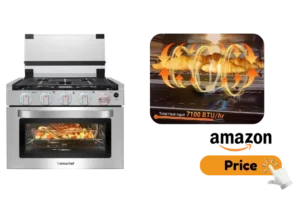
I tested this range by boiling large pots of water and searing thick steaks on the cast iron grates. The burners hit high heat almost instantly, saving me lots of time during busy mornings. Fast heat delivery is the biggest benefit of this specific gas range.
Oven Baking and Roasting
I roasted small chickens and baked flatbreads inside the 1.24 cubic foot cavity to check its internal heat flow. The insulated door kept the heat steady, though the bottom got hotter than the top. This small oven excels at quick roasting rather than delicate baking tasks.
Controls and Safety Features
The knobs require a firm push and turn, which stopped my pets from accidental starts. The built-in flame safety cut off the fuel supply fast when a gust of wind blew out the fire. This unit provides top-tier safety features for peace of mind in a tight space.
Longevity and Wear
After weeks of constant outdoor and indoor use, the stainless steel body shows zero rust or deep scratches. The heavy grates support large cast iron pans without bending or sliding. This range is built to last through long road trips and daily home cooking.
Here are the specific features that truly made this unit stand out during my test weeks.
What I Like
- Easy Heat Control: I loved how fast I could change the flame height while making delicate sauces.
- Compact Frame: The tiny 17-inch width saved my counter space while giving me three full burners.
- Safety First: The automatic gas shutoff valve worked perfectly every single time the flame went out.
No appliance is flawless, and this small range definitely has a few areas that need improvement.
What Could Be Better
- Power Needs: The oven lights and safety valves will not work unless you plug in a 12V DC cord.
- Small Oven Space: The 1.24 cubic feet capacity feels tight if you want to feed a large group of people.
- Temperature Spikes: The bottom area heats up faster than the top, which can burn delicate pastries easily.
Let us look at the core specifications of this model in a clean, simple layout.
At a Glance of AMZCHEF
| Field | Notes |
| Product | 17-inch 3-Burner RV Gas Range |
| Brand | AMZCHEF |
| Category | Compact Gas Range |
| Best For | RV owners and tiny homes |
| Key Feature(s) | Flame safety, 3 burners, compact |
| Variant(s) | 17-inch, 21-inch |
| Price Range | $$ |
| Rating | 4.2 out of 5 stars |
This unit is best for mobile travelers who want fast gas cooking in tiny spaces.
Here is a direct look at the benefits and drawbacks of this specific gas model.
Pros and Cons of AMZCHEF
| Type | Feature | My Experience |
| Pro | Fast heating | I boiled water in just a few minutes. |
| Pro | Good safety | The flame sensor shut off the gas fast. |
| Pro | Strong grates | My heavy cast-iron pans stayed totally stable. |
| Con | 12V required | I had to rewire my tiny house outlet. |
| Con | Tight cavity | I could not fit my standard baking sheet. |
| Con | Heat spots | The bottom rack scorched my biscuits. |
Let us look at who will benefit most from buying this range today.
Recommendation
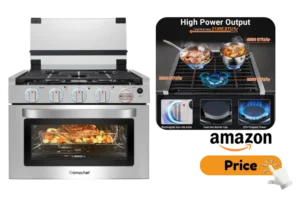
I highly recommend this range to any RV owner or tiny home builder who wants off-grid fuel freedom. It works beautifully on standard US propane tanks if you use the proper adapter line. This range is the perfect fit for anyone who cooks rustic meals on the move.
You should do more research if you plan to bake complex cakes or have no 12V power supply. The small size will limit large family meals. Make sure your kitchen matches these specific power needs before buying.
Now we will switch over to look at a small all-electric model for home kitchens.
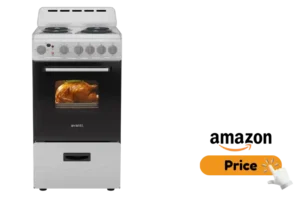
Avanti Electric Range Oven Review
I’ve been using this freestanding electric unit in an apartment kitchen to evaluate its daily baking performance. This testing showed that a compact electric system can offer great space savings without losing standard oven features.
Let us find out if this electric range delivers good value for small homes.

Is Avanti Electric Range Oven Good
Yes, this range is a stellar choice if you want very steady baking temperatures in a 20-inch footprint. I made batches of cookies that came out perfectly golden on every single rack. The steady heat flow makes this unit highly dependable for daily home baking.
It gives you four coil elements on top and a spacious 2.1 cubic foot oven cavity. You must have a dedicated 220V power line installed in your wall to run it. This voltage requirement is the most crucial setup aspect to consider.
Here is how the electric unit performed during my real-world kitchen trials.
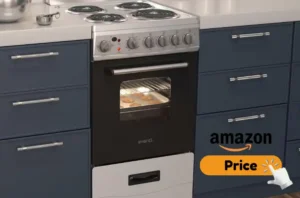
Performance & Real-World Testing: Avanti
Top Coil Element Heating
I tested the four coil burners by boiling water and frying eggs over several weeks. The large 8-inch burner takes a few minutes to heat up fully but holds its temperature well. This cooktop provides stable heat once the coils reach their target temperature.
Oven Baking and Browning
I baked large loaves of bread and multiple trays of cookies to check the heat balance. The dry heat created exceptionally crisp crusts and even browning across the whole pan. This oven is a dream for bakers who want uniform results every time.
Handling and Controls
The front knobs turn smoothly and have clear indicator lights to show when a burner is active. The pull-out storage drawer at the bottom glides easily and holds three large pans. This appliance offers simple, classic controls that anyone can use right away.
Long-Term Durability
After extensive daily use, the chrome reflector bowls still look clean and shiny. The steel body feels sturdy, and the oven door seal stays tight to trap heat inside. This electric unit proves to be highly durable for busy apartment life.
These are the top benefits I noted while using this electric range in my kitchen.
What I Like
- Steady Baking Heat: I loved the uniform browning on all my baked goods due to the stable air temperature.
- Large Oven Volume: The 2.1 cubic foot space holds large roasting pans easily for a compact range.
- Extra Storage: The lower drawer is a great space saver for keeping my extra baking sheets handy.
There are a few clear drawbacks to this electric unit that you should know about.
What Could Be Better
- Slow Coil Warmup: The top elements take a few minutes to get hot compared to gas burners.
- Missing Power Cord: You must buy the heavy 220V power cord separately, which adds an extra trip to the store.
- High Voltage Hookup: It will not run on standard US 120V plugs, requiring a specialized kitchen outlet.
Let us look at the main specifications of this electric model in a direct format.
At a Glance of Avanti
| Feature | Specification |
| Product | 20-Inch Compact Electric Range |
| Brand | Avanti |
| Fuel Type | 220V Electric |
| Elements | 4 Coil Burners |
| Oven Volume | 2.1 Cubic Feet |
| Special Feature | Lower storage drawer, safety sensors |
| Price Range | $$$ |
This range is best for apartment renters who want excellent baking results in a tight space.
Here is a quick look at the strengths and weaknesses of this electric range option.
Pros and Cons of Avanti
| Type | Feature | My Experience |
| Pro | Large capacity | I fit a full holiday turkey inside easily. |
| Pro | Even baking | My cookies had perfectly golden edges every time. |
| Pro | Storage drawer | It freed up a whole cabinet in my kitchen. |
| Con | Separate cord | I was annoyed to find no power cable in the box. |
| Con | Slow start | I had to wait longer for my pans to heat up. |
| Con | Heavy frame | It was hard to move into my tight kitchen slot. |
Let us look at who should buy this electric range for their home kitchen.
Recommendation
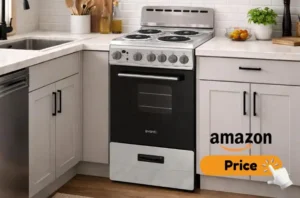
I recommend this model to city apartment dwellers or condo owners who love to bake sweet desserts. It fits standard US 220V kitchen outlets perfectly and offers great cooking space for its size. This electric range is a great asset for clean, modern home baking.
You should look elsewhere if you want instant flame control or travel off the grid frequently. It will not run on solar batteries or small generators easily. Make sure your kitchen has a 240V plug ready before you place your order.
Let us step back and look at the big picture comparison between these two fuel types.
Gas vs Electric Oven: Quick Verdict and Comparison Snapshot
If you want instant heat control and to roast a lot of savory meats, choose a gas range. If you want perfectly even baking and simple cleaning, go with an electric oven instead. Your choice should come down to your daily cooking style and your current kitchen wall hookups.
Quick Verdict Matrix
- Best Overall by Cooking Style: Tie (Gas for meats, Electric for baking)
- Best for Baking: Electric Oven
- Best for Roasting: Gas Oven
- Best for Energy Efficiency: Gas Oven (Direct fuel use)
- Best for Budget: Gas Oven (Lower fuel utility rates in most US states)
- Best for Long-Term Ownership: Electric Oven (Cheaper repairs)
Choose gas if you want fast meal prep and have an active gas line. Choose electric if you want precise baking control and have a 240V outlet ready.
Here is a fast summary of the structural differences between these two oven options.
Key Differences at a Glance
This section gives you an instant summary of how these two main systems compare in daily operation. My tests show that fuel choice changes how heat moves inside the unit. This comparison table highlights the core facts you need to know.
| Feature | Gas Oven | Electric Oven |
| Heat Source | Open-flame burner | Metal heating coils |
| Moisture Level | High moisture | Very dry air |
| Heat Consistency | Minor spikes | Exceptionally stable |
| Preheat Speed | Very fast | Slower warmup |
| Hookup Needs | Gas line + 120V/12V | Dedicated 240V line |
| Average Lifespan | 15 to 20 years | 13 to 15 years |
This setup is suitable for buyers who want an instant summary of appliance differences before shopping. It is not suitable for those looking for deep installation instructions or specific repair guides.
Let us analyze how each system creates and moves heat inside the cooking box.
Heating Performance: Gas vs Electric Oven
The way an appliance makes heat changes the airflow inside the cooking chamber completely. Gas flames create quick, moving heat waves, while electric elements radiate steady warmth from the top and bottom walls. Understanding this heat flow is the secret to better daily cooking results.
Let us look at how well each system holds onto its target temperature setting.
Temperature Accuracy and Stability
Electric elements turn on and off in smooth cycles to keep the air temperature very stable. Gas burners ignite with a burst of heat that causes minor temperature swings throughout the cooking cycle. Electric units offer much better thermal stability for delicate food dishes.
We should look at how fast these systems can get up to full cooking heat.
Preheating Speed and Heat Recovery
Gas ovens reach your target temperature much faster because an open flame creates high heat instantly. Electric coils take longer to glow red and heat up the surrounding air walls. Gas ranges win the speed race for busy weeknight meal prep.
| Metric | Gas System | Electric System |
| Preheat Time | 5 to 8 minutes | 12 to 15 minutes |
| Door Open Recovery | Fast recovery | Slower recovery |
This thermal setup is suitable for busy cooks who want fast preheating speeds every evening. It is not suitable for folks who demand absolute temperature perfection down to the single degree.
Now we will look at how these heat differences change the taste and look of your food.
Cooking Performance: Gas vs Electric Oven
Fuel type changes how your food cooks, crisps, and rises during the baking process. The high moisture in a gas unit stops food from drying out, while dry electric air helps crisp up surfaces beautifully. Matching your oven to your favorite recipes will make your home cooking shine.
Let us see how these units handle sweet desserts and delicate doughs.
Baking Cakes, Cookies, Bread, and Pastries
Electric ovens are the absolute best choice for baking cookies and light cakes due to their dry, even airflow. The lack of moisture helps cookie edges crisp up and ensures an even rise across your entire baking pan. Electric units prevent soggy bottoms on your homemade pies and delicate pastries.
Let us look at how these systems handle savory meats and main dinner dishes.
Roasting Meat, Poultry, and Vegetables
Gas ovens excel at roasting chicken and beef because the fuel combustion process releases natural moisture into the air. This damp environment keeps your meats juicy on the inside while the high heat sears the outside beautifully. Gas heat is the perfect tool for juicy holiday roasts.
We should look at how the top broiler elements compare under high heat testing.
Broiling and High-Heat Cooking
Gas broilers use a real open flame to give your food a fast, direct char like an outdoor grill. Electric broilers use a large metal element that takes longer to brown the surface of your dishes. The gas flame wins for texturing foods quickly.
| Food Type | Gas Result | Electric Result |
| Sugar Cookies | Pale, uneven edges | Uniformly golden |
| Whole Chicken | Very juicy meat | Drier meat, crisp skin |
| Broiled Steak | Authentic flame sear | Slower surface browning |
This cooking style is suitable for home chefs who want juicy meat roasts and quick flame searing. It is not suitable for serious pastry bakers who require perfectly uniform browning across multiple trays.
Let us talk about the long-term utility costs of running these kitchen systems.
Energy Efficiency and Operating Costs: Gas vs Electric Oven
The cost to run your range depends heavily on utility rates in your local US state. Gas units use fuel very efficiently because the flame heats the air directly with zero conversion loss. Checking your local energy prices will help you calculate your true long-term savings.
Let us look at what you can expect to pay on your monthly energy bill.
Monthly Utility Costs
In most parts of the United States, natural gas costs less than electricity for daily cooking use. If you cook multiple meals every single day, a gas range will keep your monthly utility bills lower over time. Gas is the clear winner for saving money on daily operations.
We will look at how well these units turn raw fuel into actual cooking heat.
Energy Efficiency Ratings and Heat Utilization
Electric ovens retain their heat much longer after you turn them off, which saves energy at the end of a cycle. Gas ovens lose some heat through their required ventilation paths, which lets warmth escape into your kitchen space. Electric models transfer heat into the pan with less raw environmental waste.
| Cost Factor | Gas Unit | Electric Unit |
| Operational Cost | Lower monthly bill | Higher monthly bill |
| Heat Retention | Cools down fast | Stays warm longer |
This financial profile is suitable for budget-conscious families who want low monthly energy bills. It is not suitable for eco-focused homes looking for zero indoor ventilation and heat loss.
Let us explore what it takes to set up these appliances in your kitchen space.
Installation and Kitchen Requirements: Gas vs Electric Oven
Setting up a new range requires specific utility hooks inside your kitchen walls. You cannot simply plug a heavy range into a standard living room outlet without causing a major safety issue. You must check your home infrastructure before picking a final range model.
Let us compare the difficulty and cost of setting up each unit style.
Installation Complexity and Upfront Costs
Electric ranges require a heavy 240V outlet that often demands a professional electrician to install from scratch. Gas ranges need a dedicated fuel pipe and a standard 120V plug to run the digital clock panel. Upfront costs will climb fast if you have to run new utility lines through your walls.
We must look at the key safety rules for a proper range setup.
Safety Requirements During Installation
Gas setups require tight pipe seals and proper pressure tests to avoid dangerous fuel leaks in your home. Electric hookups must follow strict local US building codes to prevent wire overloads and fire hazards. Hiring a licensed professional installer ensures your home stays safe and up to code.
| Requirement | Gas Range | Electric Range |
| Main Connection | Gas pipe + 120V outlet | Dedicated 240V outlet |
| DIY-Friendly | Low (Requires Pro) | Medium (If outlet exists) |
This setup path is suitable for homes that already have both utility connections ready in the kitchen wall. It is not suitable for renters who cannot make major structural changes to their electrical panels or gas lines.
Let us look at how to keep your range clean and running well over the years.
Maintenance, Cleaning, and Reliability: Gas vs Electric Oven
Every kitchen appliance requires regular care to ensure it lasts for its full expected service life. Gas components require manual attention to keep the fuel ports clear of grease and spilled food crumbs. Electric systems offer smoother surfaces that make cleanup tasks much easier after big family dinners.
Let us look at the best ways to clean the inside of your cooking box.
Cleaning the Oven Interior and Components
Electric ovens often feature smooth enamel walls and hidden elements that you can wipe down in seconds. Gas ovens have burner tubes and igniters that require careful hand cleaning to avoid blocking the flame ports. Electric units save you time and effort during deep kitchen cleanups.
We should look at the typical repair issues and how long these units last.
Common Repairs and Expected Lifespan
Gas ovens last longer on average because their basic mechanical parts do not wear out quickly over the decades. Electric elements can burn out after years of high heat cycles and are cheap to replace by yourself. A good gas range can easily serve your home kitchen for twenty full years.
| Maintenance Item | Gas System | Electric System |
| Clean Ease | Harder (Removable parts) | Easier (Smooth floors) |
| Common Issue | Worn spark igniter | Burnt-out coil element |
| Top Lifespan | Up to 20 years | Up to 15 years |
This ownership profile is suitable for long-term homeowners who want an appliance that lasts for decades with simple parts. It is not suitable for busy individuals who want a self-cleaning oven floor they can wipe without scrubbing.
Let us look at the vital indoor health and safety factors for your household.
Safety and Indoor Air Considerations: Gas vs Electric Oven
Indoor air quality has become a major topic for modern families buying new home appliances. Gas combustion releases minor byproducts into your kitchen air that require active ventilation to clear out completely. Electric coils run cleanly without altering the breathing air inside your home space.
Let us evaluate the daily physical safety risks of these two range styles.
Household Safety Risks
Gas ranges carry a minor risk of gas leaks or open flame burns if a knob is turned on accidentally by children. Electric ranges eliminate gas leak worries, but their top coils stay dangerously hot long after you turn the switch off. Both systems require careful attention when cooking around young kids or pets.
We should look at how these appliances affect the air you breathe inside.
Indoor Air Quality and Ventilation Needs
Gas ranges require a high-quality range hood vented to the outside to remove combustion gases from your home air. Electric ovens do not create indoor emissions, making them a cleaner choice for homes without strong kitchen exhaust fans. Keeping the air clean is simple with an all-electric setup.
| Health Factor | Gas Appliance | Electric Appliance |
| Air Impact | Releases emissions | Zero indoor emissions |
| Ventilation | Requires outside hood | A standard fan is fine |
This environmental profile is suitable for health-conscious families who possess high-quality outdoor ventilation systems over their stoves. It is not suitable for tightly sealed apartments that lack a true external exhaust hood setup.
Let us find out which system matches your personal cooking habits best.
Which Oven Fits Your Cooking Style?
Every home chef uses their kitchen tools differently based on their favorite daily meal recipes. A passionate dessert baker needs completely different tools than a busy parent who roasts meat dishes in big batches. Picking the right unit will make your daily kitchen time much more enjoyable.
Let us look at the ultimate choice for passionate home bakers.
Best Choice for Baking Enthusiasts
If you spend your weekends baking cookies, birthday cakes, and crusty sourdough bread, the electric oven is your clear winner. Its dry air and stable temperature cycles ensure your dough rises perfectly without burning on the bottom. Electric heat turns out professional-grade baked goods every single time.
We should look at the top option for standard daily family meals.
Best Choice for Everyday Home Cooking
For the busy home chef who cooks savory weeknight meals, sears quick steaks, and roasts vegetables, gas is the best tool. The quick flame control and moist heat keep your dinner dishes juicy and full of natural flavor. Gas heat makes daily meal prep fast and simple.
Let us look at the best range options for compact living setups.
Best Choice for Small Spaces and Specialty Homes
Tiny homes and off-grid campers benefit greatly from compact gas units like the AMZCHEF model because they save valuable electrical power. Small city apartments with standard 220V wall plugs are a perfect match for compact electric ranges like the Avanti unit. Your space limits will point you to the right choice.
| User Type | Gas Recommendation | Electric Recommendation |
| Pastry Baker | Not Recommended | Highly Recommended |
| Meat Roaster | Highly Recommended | Moderate Performance |
| Off-Grid Camper | Excellent Choice | Poor Choice (High power draw) |
This lifestyle guide is suitable for buyers who want to match their appliance purchase directly to their main cooking hobbies. It is not suitable for commercial kitchen setups that require massive industrial-sized equipment.
Let us wrap up everything we learned from these comprehensive appliance tests.
Conclusion
Choosing between a gas vs electric oven comes down to matching your favorite recipes with your kitchen infrastructure. Gas units deliver fast, moist heat that keeps savory roasts juicy, while electric options provide the steady, dry environment that baking enthusiasts demand. Evaluate your home wall outlets and cooking habits to make the perfect upgrade for your kitchen today.
Here are the quick answers to the most common questions about these range types.
FAQs for Gas vs Electric Oven
Is a gas or electric oven better for baking cookies?
An electric oven is much better for baking cookies because it delivers dry, steady heat. This dry environment helps cookie edges turn perfectly golden and crisp up beautifully every single time.
Can I run a gas oven during a home power outage?
You can light most gas cooktop burners with a match during a power outage, but modern gas ovens require electricity to run their safety valves and digital control panels.
Do electric ovens take longer to preheat than gas?
Yes, electric ovens take longer to preheat because metal coils warm up more slowly than an open flame. A gas flame creates high heat instantly, saving you valuable time.
Why do professional chefs prefer cooking with gas ranges?
Chefs prefer gas cooktops because the open flame offers instant heat control and visual feedback. However, many pros prefer electric ovens for their stable, predictable baking temperatures.
Is it expensive to switch from a gas to an electric oven?
Switching can be expensive if your kitchen lacks a dedicated 240V circuit line. You will need to hire a licensed electrician to run heavy new wiring from your main breaker panel.
Read more articles:
Chamber Vacuum Sealer vs FoodSaver