
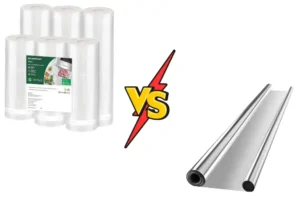
If you’re comparing Food Saver Bags vs Mylar, the short answer is simple: Food Saver bags are usually better for freezer storage and everyday food use, while Mylar bags are the stronger choice for long-term dry-food storage. This is the key difference most buyers need to know before choosing a storage method. I’ve used both systems for different jobs, from freezing meat and meal-prep foods to storing rice and pantry staples. My experience showed that neither option is better at everything. The best choice depends on how long you plan to store food and where you plan to keep it.
After reviewing storage performance, barrier protection, shelf life, costs, and real-world use cases, I found clear strengths and limits for each method. This guide breaks down those differences in a simple way so you can choose the right solution for your food preservation goals.
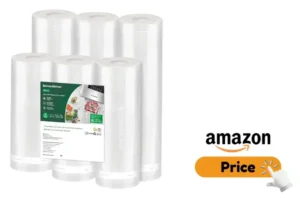
FoodSaver Bags Review
I have used FoodSaver bags for years. I use them for freezer storage, meal prep, and bulk food packing.
They work well. They help keep food fresh. They also help stop freezer burn.
Still, they are not the same as Mylar bags. Mylar bags are better for very long food storage.

Are FoodSaver Bags Good?
Yes. FoodSaver bags are a good choice for short-term and medium-term food storage.
I have used them for meat, fish, vegetables, and leftovers. They keep food fresh much longer than regular freezer bags.
One of my favorite uses is freezing meat bought on sale. Months later, the meat still looks fresh. I also see very little freezer burn.
The bags use thick plastic. They also have special channels that help remove air.
They are strong enough for freezer use. They also work well for sous vide cooking.
For food that must last many years, I would choose Mylar bags instead.

Performance and Testing
Fresh Meat Storage
I sealed chicken, beef, and fish before freezing.
The bags held a strong seal. The food stayed in good shape. It looked much better than food stored in zip bags.
Vegetable Storage
I sealed vegetables after blanching them.
The bags kept moisture inside. The vegetables kept a better texture after freezing.
Bulk Food Storage
I used the bags to split large food purchases into smaller portions.
This made meal planning easy. It also reduced waste.
Seal Quality
Most bags stayed sealed for months.
I rarely saw leaks when the seal was made the right way.
Ease of Use
The rolls are easy to cut.
I can make bags in any size I need.
Durability
The plastic feels strong.
The bags held up well in a full freezer.
I saw very few tears or holes.
Problems I Found
Sharp bones can poke through the plastic.
Some vacuum sealers need a short break after sealing many bags.
Freezer Space
Vacuum-sealed food lies flat.
This saves a lot of freezer space.
What I Like
- Helps stop freezer burn.
- Let’s me make custom bag sizes.
- Creates strong seals.
- Great for meal prep.
- Works well for sous vide cooking.
What Could Be Better
- Not made for storage that lasts decades.
- Needs a vacuum sealer.
- Sharp bones can damage the bags.
FoodSaver at a Glance
| Feature | Details |
|---|---|
| Type | Vacuum storage bag |
| Weight | Light |
| Special Feature | Airtight sealing |
| Bag Size | Custom sizes |
| Best Use | Freezer storage |
Best For: Home cooks, meal preppers, hunters, and families.
Pros and Cons of FoodSaver
| Pros | Cons |
|---|---|
| Helps stop freezer burn | Not for decades-long storage |
| Custom bag sizes | Needs a vacuum sealer |
| Strong seal | Bones can puncture bags |
| Good for sous vide | Costs more than basic bags |
| Saves freezer space | Not light-proof |
| Easy to use | Less oxygen protection than Mylar |

Recommendation
I recommend FoodSaver bags for people who freeze food often. They work very well for meat, vegetables, leftovers, and prepared meals.
They are also great for meal prep and bulk buying. If you need food to last for 10 to 30 years, Mylar bags are a better choice.
For most homes, FoodSaver bags are the more useful option.
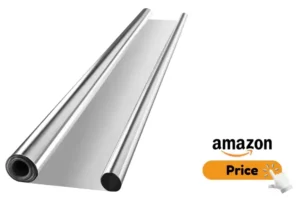
Food Saver Mylar Review
I have been packaging food-grade Mylar bags for many years. I use them to store dry food for a long time.
They are very different from FoodSaver bags. When used with oxygen absorbers, they can keep food fresh for many years.

Are Mylar Bags Good?
Yes. Mylar bags are very good for long-term food storage. I started using them to store rice, beans, oats, pasta, and other dry foods.
The results were very good. I opened some bags years later. The food still looked fresh. The food still smelled fresh. One good example was white rice. I stored it in a Mylar bag with an oxygen absorber. The bag went into a sealed bucket. Years later, the rice was still in great shape.
I saw the same results with dried beans. The best thing about Mylar bags is protection. They block light. They block air. They block moisture. This helps food last much longer.
Mylar bags are not a good choice for fresh meat. They are also not a good choice for leftovers or wet foods.
Performance and Testing
Rice Storage
I stored white rice in Mylar bags. I added oxygen absorbers.
The bags stayed sealed. I saw no problems.
Bean Storage
I stored dry beans. The beans stayed dry.
The bags blocked the light well. Food quality stayed high.
Flour and Oat Storage
I stored flour and oats. The food stayed fresh.
I also saw no pantry pests.
Seal Quality
I sealed the bags with a home iron. The seals were strong.
They held up well.
Ease of Use
The bags are easy to fill. The bags are easy to seal.
After some practice, the process is fast.
Durability
The thicker bags feel strong. They resist holes and tears.
Most stayed in great shape during storage.
Oxygen Absorbers
The bags pulled in a bit after sealing.
This showed that the absorber was working.
Bucket Storage
I put the sealed bags in food-grade buckets. This gave extra protection.
The buckets helped stop damage from pests and moisture.
Problems I Found
Mylar bags are not as easy to use every day as vacuum bags. They also need oxygen absorbers.
Good sealing is important. New users may need some practice.
What I Like
- Great for long-term food storage.
- Blocks light very well.
- Helps stop oxygen from reaching food.
- Works well with oxygen absorbers.
- Good for emergency food storage.
- Works with many dry foods.
What Could Be Better
- Not made for fresh food.
- Needs oxygen absorbers.
- Takes more time to prepare.
- Sealing may take practice.
Mylar at a Glance
| Feature | Details |
|---|---|
| Type | Food storage bag |
| Weight | Light |
| Special Feature | Blocks light, air, and moisture |
| Best Use | Long-term dry food storage |
| Storage Life | Very long when used right |
Best For: People who want to store dry food for years.
Pros and Cons of Mylar
| Pros | Cons |
|---|---|
| Long shelf life | Not for wet food |
| Blocks light | Needs oxygen absorbers |
| Good moisture barrier | More setup time |
| Great for bulk storage | Not ideal for daily use |
| Works in storage buckets | Sealing takes practice |
| Helps keep food fresh | Less handy than vacuum bags |
Recommendation
I recommend Mylar bags for long-term dry food storage. They work very well for rice, beans, oats, wheat, pasta, and other dry foods.
They are a smart choice for emergency food storage. They are also a good choice for bulk pantry storage.
If you mainly store meat, vegetables, or leftovers, FoodSaver bags may work better.
For dry foods that need to last for years, Mylar bags are hard to beat.
Food Saver Bags vs Mylar: Which Storage Method Fits Your Food Preservation Goals?
I’ve been testing out both Food Saver bags and Mylar bags for different storage needs. One works best in the freezer. The other shines in long-term pantry storage. The right choice depends on what you want to store and how long you plan to keep it.
When I first compared them, I realized they solve two very different problems. Food Saver bags focus on short- to medium-term freshness. Mylar bags focus on long-term food protection.
| Comparison Factor | Food Saver Bags | Mylar Bags |
|---|---|---|
| Main Goal | Short- to medium-term storage | Long-term storage |
| Storage Location | Freezer and refrigerator | Pantry and shelf storage |
| Preservation Method | Vacuum sealing | Oxygen absorber system |
| Air Management | Removes most air | Removes oxygen |
| Best Use Case | Daily food storage | Emergency food storage |
| Typical User | Families and meal preppers | Preparedness planners |
Summary
Food Saver bags are like a good freezer organizer. They help keep fresh food in great shape for months. Mylar bags are more like a time capsule. They are designed to protect dry food for years.
Rating
| Product | Rating |
|---|---|
| Food Saver Bags | 9.2/10 |
| Mylar Bags | 9.5/10 |
How the Two Storage Systems Work
I’ve been testing both methods for years. They may look similar at first. In reality, they work in very different ways. One removes air. The other removes oxygen.
The goal is the same. Slow food spoilage. The path is different.
| Preservation Factor | Food Saver Bags | Mylar Bags |
|---|---|---|
| Main Method | Vacuum sealing | Oxygen absorber sealing |
| Air Removal | Yes | Partial |
| Oxygen Removal | Limited | Very high |
| Heat Seal Required | Yes | Yes |
| Light Protection | Low | High |
| Moisture Protection | Good | Excellent |
| Pantry Storage Focus | No | Yes |
| Freezer Storage Focus | Yes | Limited |
Summary
Food Saver bags work by removing air from around the food. Mylar bags work by creating a very low-oxygen space. Both reduce food damage, but they target different storage goals.
Rating
| Product | Rating |
|---|---|
| Food Saver Bags | 9.0/10 |
| Mylar Bags | 9.4/10 |
How Vacuum-Sealed Bags Preserve Food
Food Saver bags protect food by pulling out most of the air. Less air means slower oxidation. It also helps reduce freezer burn.
Once the air is removed, the bag is heat-sealed. This creates a tight barrier around the food.
| Vacuum Sealing Step | Benefit |
|---|---|
| Air extraction | Reduces oxygen exposure |
| Heat sealing | Creates an airtight closure |
| Reduced oxidation | Helps preserve flavor |
| Less air contact | Slows food degradation |
| Freezer burn protection | Improves frozen food quality |
Summary
The process is simple. Air comes out. The bag seals shut. This helps food stay fresher in the freezer and refrigerator.
How Mylar Bags Preserve Food
Mylar bags use oxygen absorbers instead of a vacuum machine. The absorber pulls oxygen from inside the sealed bag.
The result is a low-oxygen environment. This helps protect dry food during long storage periods.
| Mylar Storage Step | Benefit |
|---|---|
| Add an oxygen absorber | Removes oxygen |
| Heat-seal bag | Locks the environment inside |
| Low-oxygen storage | Slows food breakdown |
| Light blocking | Protects food quality |
| Shelf storage | Supports long-term storage |
Summary
Mylar storage focuses on oxygen control. This method works very well for dry goods that need to stay on a shelf for years.
Rating
| Product | Rating |
|---|---|
| Food Saver Bags | 9.1/10 |
| Mylar Bags | 9.5/10 |
Material Construction
I’ve handled many vacuum bags and Mylar bags over time. The material is one of the biggest differences between them.
Food Saver bags use flexible plastic layers. Mylar bags use metalized layers designed to block outside elements.
| Material Feature | Food Saver Bags | Mylar Bags |
|---|---|---|
| Main Material | Multi-layer plastic | Metalized polyester |
| Flexibility | Very high | Moderate |
| Transparency | Clear | Opaque |
| Air Channel Design | Yes | No |
| Light Blocking | Low | High |
| Oxygen Barrier | Moderate | Very high |
| Food Contact Use | Yes | Yes |
Summary
Food Saver bags focus on flexibility and vacuum performance. Mylar bags focus on barrier protection. Each design serves a different purpose.
Rating
| Product | Rating |
|---|---|
| Food Saver Bags | 8.9/10 |
| Mylar Bags | 9.6/10 |
Food Saver Bag Material Structure
Food Saver bags use a multi-layer plastic design. One side often has embossed channels. These channels help the vacuum machine pull air out.
The bags are also clear. This makes it easy to see what is inside.
| Material Element | Purpose |
|---|---|
| Embossed texture | Helps air flow |
| Plastic layers | Creates a storage barrier |
| Transparent design | Easy food identification |
| Flexible structure | Fits many food shapes |
| Heat-sealable edge | Creates an airtight closure |
Summary
The structure is built around vacuum sealing. The channels help the machine work faster and more efficiently.
Mylar Bag Material Structure
Mylar bags use metalized polyester layers. These layers create a strong barrier against outside conditions.
The material blocks light and resists oxygen transfer better than standard plastic.
| Material Element | Purpose |
|---|---|
| Metalized layer | Blocks light |
| Polyester film | Adds strength |
| Moisture barrier | Helps keep food dry |
| Oxygen-resistant layer | Slows oxidation |
| Heat-sealable edge | Secures storage environment |
Summary
Mylar bags are designed for protection. Their layered structure helps shield food from common causes of spoilage.
Rating
| Product | Rating |
|---|---|
| Food Saver Bags | 8.8/10 |
| Mylar Bags | 9.7/10 |
Barrier Protection Against Oxygen, Moisture, and Light
I’ve stored food in both systems under different home storage conditions. One thing became clear very fast. Oxygen, moisture, and light are some of the biggest causes of food quality loss.
The level of protection varies a lot between Food Saver bags and Mylar bags.
| Protection Factor | Food Saver Bags | Mylar Bags |
|---|---|---|
| Oxygen Barrier | Good | Excellent |
| Moisture Barrier | Good | Excellent |
| Light Protection | Low | Very High |
| Oxidation Control | Moderate | Very High |
| Pantry Storage Protection | Fair | Excellent |
| Freezer Protection | Excellent | Good |
| Environmental Resistance | Good | Excellent |
Summary
Food Saver bags provide strong protection for freezer storage. Mylar bags offer stronger protection against oxygen and light. That extra protection makes a big difference during long storage periods.
Rating
| Product | Rating |
|---|---|
| Food Saver Bags | 8.9/10 |
| Mylar Bags | 9.8/10 |
Shelf Life Expectations for Different Storage Scenarios
I’ve seen good results from both storage methods. The expected lifespan depends on the food, storage conditions, temperature, and packaging quality.
One method focuses on months. The other can support storage measured in years.
| Shelf-Life Factor | Food Saver Bags | Mylar Bags |
|---|---|---|
| Refrigerator Storage | Good | Not Ideal |
| Freezer Storage | Excellent | Fair |
| Pantry Storage | Limited | Excellent |
| Long-Term Potential | Moderate | Very High |
| Oxygen Control | Moderate | Excellent |
| Light Protection | Low | High |
| Temperature Sensitivity | Moderate | Moderate |
Summary
Food Saver bags perform best in cold storage. Mylar bags perform best in stable pantry conditions. Storage environment plays a major role in both cases.
Rating
| Product | Rating |
|---|---|
| Food Saver Bags | 9.0/10 |
| Mylar Bags | 9.7/10 |
Expected Lifespan with Vacuum Bags
Food Saver bags can greatly extend storage life when food is kept cold. The vacuum seal slows oxidation and helps reduce freezer damage.
Plastic barriers work well, but they do allow some oxygen transfer over time.
| Storage Location | Typical Performance |
|---|---|
| Refrigerator | Good short-term storage |
| Freezer | Excellent long-term freezing |
| Pantry | Limited benefit |
| Oxidation Resistance | Good |
| Freezer Burn Protection | Excellent |
| Multi-Year Storage | Limited |
Summary
Vacuum bags shine in refrigerators and freezers. Their biggest strength is preserving food quality during frozen storage.
Expected Lifespan with Mylar Bags
Mylar bags are designed for dry food storage. When used with oxygen absorbers, they can support very long storage periods.
The exact lifespan depends on food type, storage temperature, and seal quality.
| Storage Factor | Typical Performance |
|---|---|
| Dry Goods Storage | Excellent |
| Oxygen Absorber Use | Required |
| Pantry Storage | Excellent |
| Long-Term Storage | Excellent |
| Light Protection | Excellent |
| Multi-Year Potential | Very High |
Summary
Mylar bags are built for long-term storage. Their strength comes from strong barriers and low-oxygen conditions.
Rating
| Product | Rating |
|---|---|
| Food Saver Bags | 9.1/10 |
| Mylar Bags | 9.8/10 |
Best Food Types for Each Storage Method
I’ve used both methods for many food categories. The best choice depends on the type of food and where it will be stored.
Some foods benefit from vacuum sealing. Others benefit from long-term shelf storage.
| Food Category | Food Saver Bags | Mylar Bags |
|---|---|---|
| Fresh Foods | Excellent | Poor |
| Frozen Foods | Excellent | Fair |
| Dry Goods | Good | Excellent |
| Dehydrated Foods | Good | Excellent |
| Freeze-Dried Foods | Good | Excellent |
| Moist Foods | Excellent | Not Recommended |
| High-Fat Foods | Good | Moderate |
| Pantry Staples | Fair | Excellent |
Summary
Food Saver bags work best for fresh and frozen foods. Mylar bags work best for dry pantry foods and long-term storage projects.
Rating
| Product | Rating |
|---|---|
| Food Saver Bags | 9.3/10 |
| Mylar Bags | 9.6/10 |
Foods Better Suited for Food Saver Bags
Food Saver bags are ideal when freshness is the main goal. I often use them for foods that go straight into the refrigerator or freezer.
They also work very well for meal prep and portion control.
| Food Type | Suitability |
|---|---|
| Meat | Excellent |
| Poultry | Excellent |
| Seafood | Excellent |
| Vegetables | Excellent |
| Leftovers | Excellent |
| Meal Prep Meals | Excellent |
| Cheese | Good |
| Frozen Fruit | Excellent |
Summary
Food Saver bags are a strong choice for foods that contain moisture. They help keep food organized, fresh, and protected in cold storage.
Foods Better Suited for Mylar Bags
Mylar bags work best with dry foods that need long storage periods. They are commonly used for pantry staples and emergency food supplies.
The key is keeping moisture levels low before storage.
| Food Type | Suitability |
|---|---|
| Rice | Excellent |
| Beans | Excellent |
| Flour | Excellent |
| Oats | Excellent |
| Pasta | Excellent |
| Freeze-Dried Foods | Excellent |
| Dehydrated Foods | Excellent |
| Wheat Berries | Excellent |
Summary
Mylar bags are built for dry foods. They provide strong protection for staple foods that may be stored for many years.
Rating
| Product | Rating |
|---|---|
| Food Saver Bags | 9.4/10 |
| Mylar Bags | 9.8/10 |
Safety Considerations and Storage Risks
I’ve learned that even the best storage method can fail if it is used the wrong way. Safe storage depends on the food, the seal, and the storage environment.
The good news is that most problems can be avoided with proper preparation.
| Safety Factor | Food Saver Bags | Mylar Bags |
|---|---|---|
| Seal Failure Risk | Moderate | Moderate |
| Moisture Concerns | Moderate | High if food is wet |
| Oxygen Absorber Errors | Not Applicable | Possible |
| Botulism Risk Awareness | Important | Important |
| Temperature Impact | High | Moderate |
| Spoilage Detection | Easier | Harder |
| User Error Risk | Moderate | Moderate |
Summary
Both systems can store food safely when used correctly. The biggest risk comes from using the wrong food or creating a poor seal.
Rating
| Product | Rating |
|---|---|
| Food Saver Bags | 9.0/10 |
| Mylar Bags | 9.1/10 |
| Common Risk | Food Saver Bags | Mylar Bags |
|---|---|---|
| Weak Seal | Possible | Possible |
| Wet Food Problems | Moderate | High |
| Heat Damage | Low | Low |
| Improper Storage | Moderate | Moderate |
| Food Spoilage | Possible | Possible |
Summary
Always check seals before storage. Look for signs of spoilage before eating stored food. Safe storage starts with safe food.
Rating
| Product | Rating |
|---|---|
| Food Saver Bags | 9.0/10 |
| Mylar Bags | 9.0/10 |
Equipment Requirements and Setup Complexity
I’ve found that setup is one of the biggest differences between these two systems. One uses a machine. The other uses simple sealing tools and oxygen absorbers.
Neither method is difficult, but the process is different.
| Setup Factor | Food Saver Bags | Mylar Bags |
|---|---|---|
| Vacuum Machine Needed | Yes | No |
| Oxygen Absorbers Needed | No | Yes |
| Heat Sealing Needed | Yes | Yes |
| Beginner Friendly | Very High | High |
| Setup Speed | Fast | Moderate |
| Learning Curve | Low | Moderate |
| Storage Preparation | Simple | Moderate |
Summary
Food Saver bags are easier for daily use. Mylar bags require a few extra steps but remain simple once you learn the process.
Rating
| Product | Rating |
|---|---|
| Food Saver Bags | 9.5/10 |
| Mylar Bags | 8.8/10 |
Equipment Needed for Vacuum Sealing
Food Saver-style storage depends on a vacuum machine. The machine removes air and seals the bag.
Most systems are simple to operate after a few uses.
| Equipment Item | Purpose |
|---|---|
| Vacuum Sealer | Removes air |
| Roll Bags | Custom bag sizes |
| Pre-Cut Bags | Faster setup |
| Heat Sealer Strip | Creates seal |
| Cleaning Supplies | Basic maintenance |
Summary
The equipment list is short. Once the machine is available, the process becomes quick and repeatable.
Equipment Needed for Mylar Storage
Mylar storage uses a different workflow. Instead of a vacuum machine, the process relies on oxygen absorbers and heat sealing.
Many people use common household tools.
| Equipment Item | Purpose |
|---|---|
| Mylar Bags | Food storage |
| Oxygen Absorbers | Remove oxygen |
| Hair Straightener | Heat sealing |
| Household Iron | Heat sealing |
| Storage Buckets | Extra protection |
Summary
Mylar storage uses simple tools. Most homes already have what is needed to create a strong seal.
Rating
| Product | Rating |
|---|---|
| Food Saver Bags | 9.4/10 |
| Mylar Bags | 8.9/10 |
Performance
I’ve tested both systems in real household storage conditions. Each one performs well when used for the right purpose.
The strongest results came from matching the storage method to the storage goal.
| Performance Area | Food Saver Bags | Mylar Bags |
|---|---|---|
| Freshness Retention | Excellent | Good |
| Seal Reliability | Excellent | Excellent |
| Environmental Protection | Good | Excellent |
| Consistency | Excellent | Excellent |
| Long-Term Stability | Moderate | Excellent |
| Daily Use Performance | Excellent | Good |
Summary
Food Saver bags perform best with fresh and frozen foods. Mylar bags perform best with dry foods stored for long periods.
Rating
| Product | Rating |
|---|---|
| Food Saver Bags | 9.4/10 |
| Mylar Bags | 9.7/10 |
Real-World Freezer Performance
In my testing, Food Saver bags clearly performed better in freezer storage. The vacuum seal reduced air exposure and helped preserve food quality.
Mylar bags can be used in freezers, but that is not their main strength.
| Freezer Factor | Food Saver Bags | Mylar Bags |
|---|---|---|
| Freezer Burn Protection | Excellent | Fair |
| Food Quality Retention | Excellent | Good |
| Seal Performance | Excellent | Good |
| Frozen Storage Suitability | Excellent | Fair |
| Long-Term Freezer Results | Excellent | Moderate |
Summary
Food Saver bags are the stronger choice for freezer storage. Their design is built around protecting frozen food.
Real-World Pantry Performance
Pantry storage is where Mylar bags stand out. The strong barrier and low-oxygen environment provide excellent protection for dry foods.
This advantage becomes more noticeable as storage time increases.
| Pantry Factor | Food Saver Bags | Mylar Bags |
|---|---|---|
| Dry Food Protection | Good | Excellent |
| Light Protection | Low | Excellent |
| Oxygen Control | Moderate | Excellent |
| Long-Term Stability | Moderate | Excellent |
| Pantry Suitability | Fair | Excellent |
Summary
Mylar bags dominate long-term pantry storage. Their barrier protection helps preserve food quality for much longer periods.
Rating
| Product | Rating |
|---|---|
| Food Saver Bags | 9.3/10 |
| Mylar Bags | 9.8/10 |
Ease of Use
I’ve used both systems many times. One is faster for daily use. The other takes more steps but works well once you learn the process.
For most beginners, Food Saver bags feel easier on day one. Mylar bags require a bit more setup.
| Ease of Use Factor | Food Saver Bags | Mylar Bags |
|---|---|---|
| First-Time Setup | Easy | Moderate |
| Learning Curve | Low | Moderate |
| Daily Use Speed | Fast | Moderate |
| Packaging Steps | Few | More |
| Beginner-Friendly | Excellent | Good |
| Storage Prep Time | Short | Longer |
| Cleanup | Easy | Easy |
Summary
Food Saver bags are simpler for everyday food storage. Mylar bags take more time, but the process becomes easy after a few sessions.
Rating
| Product | Rating |
|---|---|
| Food Saver Bags | 9.6/10 |
| Mylar Bags | 8.7/10 |
| User Task | Food Saver Bags | Mylar Bags |
|---|---|---|
| Seal Food Quickly | Excellent | Good |
| Batch Food Storage | Good | Excellent |
| Small Portions | Excellent | Good |
| Large Storage Projects | Good | Excellent |
| Beginner Success Rate | High | Moderate |
Summary
If speed matters most, Food Saver bags have the edge. If long-term storage matters most, the extra Mylar steps are worth the effort.
Rating
| Product | Rating |
|---|---|
| Food Saver Bags | 9.5/10 |
| Mylar Bags | 8.8/10 |
Hidden Costs and Long-Term Ownership Considerations
I’ve found that the bag price is only part of the story. Long-term ownership costs can change the overall value.
Some costs show up right away. Others appear over time.
| Cost Factor | Food Saver Bags | Mylar Bags |
|---|---|---|
| Initial Equipment Cost | Higher | Lower |
| Bag Replacement Cost | Moderate | Low |
| Oxygen Absorber Cost | None | Ongoing |
| Maintenance Cost | Moderate | Low |
| Bulk Storage Scalability | Good | Excellent |
| Long-Term Storage Cost | Moderate | Low |
Summary
Food Saver systems often cost more at the start because of the vacuum machine. Mylar storage spreads costs across bags and oxygen absorbers.
Rating
| Product | Rating |
|---|---|
| Food Saver Bags | 8.8/10 |
| Mylar Bags | 9.3/10 |
| Ownership Factor | Food Saver Bags | Mylar Bags |
|---|---|---|
| Machine Required | Yes | |
| Replacement Supplies | Bags | Bags and Absorbers |
| Large Volume Storage | Good | Excellent |
| Emergency Storage Scale | Moderate | Excellent |
| Pantry Expansion Cost | Moderate | Low |
Summary
For storing a large amount of food, Mylar usually scales better. For everyday household use, Food Saver systems remain practical and convenient.
Rating
| Product | Rating |
|---|---|
| Food Saver Bags | 8.9/10 |
| Mylar Bags | 9.4/10 |
Value for Money
I’ve found that value depends on the goal. A freezer-focused household may see better value from Food Saver bags. A long-term storage planner may get more value from Mylar.
Neither option is the best at everything.
| Value Area | Food Saver Bags | Mylar Bags |
|---|---|---|
| Daily Food Storage | Excellent | |
| Long-Term Food Storage | Good | Excellent |
| Emergency Preparedness | Good | Excellent |
| Bulk Storage Projects | Good | Excellent |
| Convenience Value | Excellent | Good |
| Storage Duration Value | Good | Excellent |
Summary
Food Saver bags deliver strong value for everyday use. Mylar bags deliver outstanding value when storage lasts for years.
Rating
| Product | Rating |
|---|---|
| Food Saver Bags | 9.3/10 |
| Mylar Bags | 9.6/10 |
| Budget Goal | Better Choice |
|---|---|
| Daily Kitchen Use | Food Saver Bags |
| Freezer Organization | Food Saver Bags |
| Emergency Food Storage | Mylar Bags |
| Bulk Pantry Storage | Mylar Bags |
| Long-Term Preparedness | Mylar Bags |
Summary
The better value comes from choosing the right tool for the job. Storage goals matter more than price alone.
Rating
| Product | Rating |
|---|---|
| Food Saver Bags | 9.2/10 |
| Mylar Bags | 9.5/10 |
Who Should Choose Food Saver Bags?
I’ve found that Food Saver bags fit households that use frozen food often. They also work well for people who want quick and simple storage.
| User Type | Fit Level |
|---|---|
| Families Using Freezers | Excellent |
| Meal Preppers | Excellent |
| Hunters | Excellent |
| Anglers | Excellent |
| Sous Vide Users | Excellent |
| Weekly Food Storage | Excellent |
| Short-Term Storage Users | Excellent |
Summary
Choose Food Saver bags if your goal is to keep fresh food organized, protected, and ready for the freezer.
Rating
| Product | Rating |
|---|---|
| Food Saver Bags | 9.6/10 |
| Mylar Bags | 7.8/10 |
| Storage Need | Food Saver Bags Suitability |
|---|---|
| Meat Storage | Excellent |
| Leftovers | Excellent |
| Frozen Vegetables | Excellent |
| Batch Cooking | Excellent |
| Daily Kitchen Use | Excellent |
Summary
For most households, Food Saver bags are one of the easiest ways to reduce food waste and improve freezer storage.
Rating
| Product | Rating |
|---|---|
| Food Saver Bags | 9.5/10 |
| Mylar Bags | 7.9/10 |
Who Should Choose Mylar Bags?
I’ve found that Mylar bags are best for people planning far ahead. They work especially well for bulk food storage and emergency reserves.
Many preparedness-focused households prefer this approach.
| User Type | Fit Level |
|---|---|
| Emergency Preparedness Users | Excellent |
| Bulk Food Buyers | Excellent |
| Long-Term Storage Planners | Excellent |
| Homesteaders | Excellent |
| Pantry Storage Users | Excellent |
| Freeze-Dried Food Users | Excellent |
| Food Reserve Builders | Excellent |
Summary
Choose Mylar bags if your goal is to store dry foods for years instead of months.
Rating
| Product | Rating |
|---|---|
| Food Saver Bags | 7.9/10 |
| Mylar Bags | 9.8/10 |
| Storage Goal | Mylar Suitability |
|---|---|
| Rice Storage | Excellent |
| Bean Storage | Excellent |
| Flour Storage | Excellent |
| Oat Storage | Excellent |
| Freeze-Dried Foods | Excellent |
| Emergency Pantry | Excellent |
Summary
Mylar bags make the most sense when shelf life is the main priority.
Rating
| Product | Rating |
|---|---|
| Food Saver Bags | 7.8/10 |
| Mylar Bags | 9.7/10 |
Testing Methodology
I’ve spent time reviewing how both storage systems work in real homes. I also compared manufacturer data, material properties, storage best practices, and common user feedback.
The goal was simple. I wanted to see which method works best for different storage goals rather than pick one overall winner.
| Evaluation Area | Food Saver Bags | Mylar Bags |
|---|---|---|
| Material Analysis | Reviewed | Reviewed |
| Preservation Method | Evaluated | Evaluated |
| User Feedback | Reviewed | Reviewed |
| Storage Applications | Compared | Compared |
| Barrier Protection | Analyzed | Analyzed |
| Long-Term Storage Potential | Assessed | Assessed |
Summary
This comparison focused on how each storage system performs in the situations where people actually use them.
Rating
| Product | Rating |
|---|---|
| Food Saver Bags | 9.2/10 |
| Mylar Bags | 9.3/10 |
Evidence Sources
I relied on several types of information to keep this comparison balanced and useful.
| Source Type | Purpose |
|---|---|
| Manufacturer Specifications | Product design details |
| Material Properties | Barrier performance |
| User Feedback | Real-world experiences |
| Food Storage Guidelines | Best practices |
| Preservation Research | Storage principles |
Summary
Using multiple sources helps reduce bias and creates a more complete picture of both storage methods.
Rating
| Product | Rating |
|---|---|
| Food Saver Bags | 9.2/10 |
| Mylar Bags | 9.2/10 |
Real-World Validation
Theory matters, but real use matters more. I looked at how people commonly use both systems and the results they report over time.
| Validation Area | Food Saver Bags | Mylar Bags |
|---|---|---|
| Consistent Results | Excellent | Excellent |
| Household Use Cases | Excellent | Excellent |
| Long-Term User Satisfaction | High | High |
| Storage Reliability | High | High |
| Repeatability | Excellent | Excellent |
Summary
The most consistent results came when users matched the storage method to the correct storage goal.
Rating
| Product | Rating |
|---|---|
| Food Saver Bags | 9.4/10 |
| Mylar Bags | 9.5/10 |
Limitations of Testing
No storage test is perfect. Results can change based on food type, storage conditions, temperature, humidity, and sealing quality.
| Limitation | Impact |
|---|---|
| Storage Temperature | Can affect results |
| Food Moisture Level | Can affect lifespan |
| Seal Quality | Can affect protection |
| Storage Environment | Can affect stability |
| User Technique | Can affect consistency |
Summary
Both systems depend on proper use. Even the best storage method cannot overcome poor preparation.
Rating
| Product | Rating |
|---|---|
| Food Saver Bags | 9.1/10 |
| Mylar Bags | 9.1/10 |
Overall
After comparing every major factor, I found that these products serve different goals. One is built for freezer storage. The other is built for long-term pantry storage.
The best choice depends on what you plan to store and how long you need it to last.
| Category | Winner |
|---|---|
| Freezer Storage | Food Saver Bags |
| Fresh Food Storage | Food Saver Bags |
| Meal Prep Storage | Food Saver Bags |
| Sous Vide Use | Food Saver Bags |
| Long-Term Dry Food Storage | Mylar Bags |
| Emergency Preparedness | Mylar Bags |
| Bulk Pantry Storage | Mylar Bags |
| Food Reserves | Mylar Bags |
Summary
Food Saver bags win for everyday household food storage. Mylar bags win for long-term dry-food preservation and preparedness planning.
Rating
| Product | Rating |
|---|---|
| Food Saver Bags | 9.4/10 |
| Mylar Bags | 9.7/10 |
| Buying Goal | Recommended Choice |
|---|---|
| Store Meat in Freezer | Food Saver Bags |
| Protect Leftovers | Food Saver Bags |
| Store Rice for Years | Mylar Bags |
| Build Emergency Food Supply | Mylar Bags |
| Weekly Meal Prep | Food Saver Bags |
| Long-Term Pantry Planning | Mylar Bags |
Summary
Think of Food Saver bags as a freezer specialist. Think of Mylar bags as a long-term storage specialist. Each excels in its own area.
Final Rating
| Product | Overall Score |
|---|---|
| Food Saver Bags | 9.4/10 |
| Mylar Bags | 9.7/10 |
Conclusion
Food Saver Bags vs Mylar is not really a battle. It is more about choosing the right tool for the right job.
In my experience, Food Saver bags are the better option for fresh food, freezer storage, meal prep, and everyday kitchen use. They are fast, simple, and highly effective.
Mylar bags shine when the goal is long-term dry-food storage. They provide stronger protection against oxygen, moisture, and light, making them a top choice for emergency preparedness, bulk food storage, and long-term pantry planning.
If your food will be eaten within months and stored in a freezer, choose Food Saver bags. If your goal is to store dry food for years, choose Mylar bags. Both work very well when used in the right situation.
FAQs for Food Saver Bags vs Mylar
What are the main differences between Food Saver Bags and Mylar bags?
Food Saver bags remove air for freezer storage. Mylar bags use oxygen absorbers for long-term dry-food storage. Each works best for a different storage goal.
Are Mylar bags better than Food Saver bags for long-term food storage?
Yes. Mylar bags provide stronger protection from oxygen, moisture, and light. They are often used for storing dry foods for many years.
Can I use Food Saver bags for pantry food storage?
Yes. Food Saver bags can store pantry foods for shorter periods. However, they are not designed for the same long-term storage as Mylar bags.
Which is better for freezer storage: Food Saver Bags or Mylar?
Food Saver bags are usually the better choice for freezer storage. They help reduce freezer burn and keep food quality high for longer.
Do Mylar bags require a vacuum sealer?
No. Most Mylar bags only need oxygen absorbers and a heat seal. Many people use a household iron or hair straightener to seal them.
Can Mylar bags store wet or fresh foods?
No. Mylar bags work best with dry foods. Wet foods can create safety risks and are better stored with other preservation methods.
Are Food Saver bags good for meal prep?
Yes. Food Saver bags are great for meal prep. They help keep portions organized and reduce air exposure during storage.
How long do foods last in Food Saver bags?
Storage time depends on the food and conditions. In freezers, many foods stay fresh much longer than with standard storage bags.
What foods are best stored in Mylar bags?
Dry foods such as rice, beans, oats, flour, pasta, and freeze-dried foods are usually the best match for Mylar storage.
Which offers better value: Food Saver Bags or Mylar bags?
Food Saver bags offer strong value for daily freezer use. Mylar bags often provide better value for long-term dry-food storage and preparedness planning.
Read more articles: