
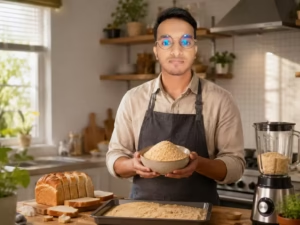
Bread Crumbs How to Make at Home is easier than most people think, and it is a smart way to use leftover bread instead of throwing it away. You can make fresh or dry bread crumbs with simple kitchen tools like an oven, blender, or grater. I started making homemade breadcrumbs after seeing how much stale sandwich bread went to waste in my kitchen.
The taste felt fresher, the crunch was better for fried chicken, and I could control the seasoning for family meals. This guide shares easy steps, real cooking tips, and common mistakes so you can make bread crumbs at home with confidence.
Bread Crumbs How to Make at Home
Making bread crumbs at home is one of the easiest kitchen tricks you can learn. I started doing it to avoid wasting leftover bread. Soon, I noticed the taste was better than many packaged crumbs. Homemade crumbs feel fresh, crisp, and easy to adjust for any recipe.
You can make them with stale bread, fresh bread, rolls, or buns. The method changes based on whether you want dry crumbs for crispy coatings or soft crumbs for meatballs and stuffing. The best part is that you control the flavor, texture, and freshness.
Understanding Bread Crumbs How to Make at Home
Homemade bread crumbs are crushed bread pieces used for coating, binding, stuffing, and crispy toppings.
What Homemade Bread Crumbs Actually Are
Breadcrumbs are simply broken-down bread. They can be dry, soft, fine, or coarse. Some are crisp like sand, while others stay fluffy and moist.
Homemade bread crumbs often taste fresher because they contain no preservatives. You also get better control over texture and seasoning.
Difference Between Fresh and Dry Bread Crumbs
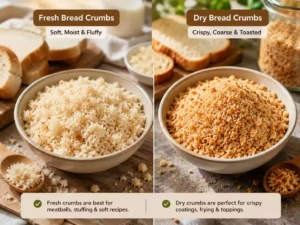
Fresh bread crumbs still hold moisture. They work well in meatballs, stuffing, and soft fillings. They absorb juices and help foods stay tender.
Dry bread crumbs are baked or toasted first. They become crisp and last longer. These are best for frying and crunchy toppings.
When Homemade Bread Crumbs Work Better Than Store-Bought
Homemade crumbs shine when you want custom flavor or texture. I often use them for fried chicken because they crisp better when fresh.
They are also cheaper. Old bread that might get thrown away becomes useful again.
Best Recipes That Use Homemade Bread Crumbs
Homemade breadcrumbs work well in:
- Fried chicken
- Fish coating
- Meatballs
- Casseroles
- Pasta bakes
- Stuffing
- Crispy toppings
Situations Where Homemade Bread Crumbs May Not Be Ideal
Store-bought crumbs sometimes work better for very large batches. Packaged crumbs also last longer because they contain stabilizers.
If you rarely cook with crumbs, buying a small pack may feel easier.
Required Ingredients and Tools for Bread Crumbs How to Make at Home
Essential Ingredients
You can use many bread types:
- White bread
- Whole wheat bread
- Sourdough
- Leftover rolls or buns
Older bread often dries faster, but fresh bread also works.
Optional Flavor Additions
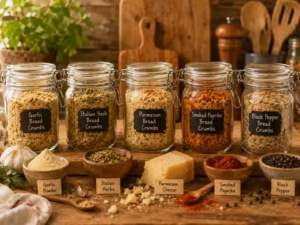
You can season homemade crumbs with the following:
- Garlic powder
- Italian seasoning
- Parmesan cheese
- Black pepper
- Smoked paprika
I love adding garlic powder and paprika to fried foods. The smell alone feels comforting.
Essential Kitchen Tools
Useful tools include:
- Oven
- Blender
- Food processor
- Cheese grater
- Baking tray
Safe Alternatives If You Don’t Have a Food Processor
No blender? No problem.
You can:
- Grate bread by hand
- Crush dried bread in a bag
- Use a rolling pin
- Tear bread into rustic crumbs
Hand-grated crumbs often create a nice rough texture for casseroles.
Bread Types and Resulting Texture—Bread Crumbs How to Make at Home
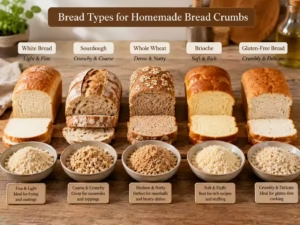
A major difference in homemade bread crumbs comes from the bread itself. Dense bread creates heavier crumbs. Soft bread creates lighter crumbs.
| Bread Type | Texture Result | Best Use | Moisture Level |
|---|---|---|---|
| White Bread | Fine & light | Frying coatings | Low |
| Sourdough | Crunchy & coarse | Casseroles | Medium |
| Whole Wheat | Dense & nutty | Meatballs | Medium |
| Brioche | Soft & rich | Toppings | Higher |
| Gluten-Free Bread | Crumbly | Dietary recipes | Varies |
Bread density affects crispiness and oil absorption. Dense crumbs soak more liquid. Light crumbs fry faster and stay airy.
Preparation Before Starting Bread Crumbs How to Make at Home
Choosing Fresh vs Stale Bread
Stale bread dries faster and grinds more evenly. Fresh bread works best for soft crumbs.
I often save bread ends in the freezer until enough collects for a batch.
Ideal Bread Moisture Level
Bread should feel slightly dry but not moldy. Very moist bread takes longer to dry and may clump.
Should Crusts Be Removed or Kept
Crusts add deeper flavor and a darker color. Removing them creates softer crumbs.
For delicate coatings, crust-free crumbs usually work better.
How Much Bread Do You Need for Different Quantities
About 4 slices of bread make roughly 1 cup of crumbs. Dense bread may produce more.
Common Preparation Mistakes Before Drying
Avoid:
- Using moldy bread
- Cutting uneven pieces
- Drying wet bread too quickly
- Packing bread tightly on trays
Step-by-Step Process for Dry Bread Crumbs How to Make at Home
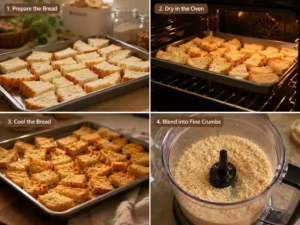
Dry bread crumbs are made by drying bread fully, cooling it, and then grinding it to the desired texture.
Step 1 — Slice or Tear the Bread Evenly
Cut bread into small pieces. Equal-sized things dry more evenly.
Step 2 — Dry the Bread in the Oven
Place bread on a baking tray. Bake at low heat until dry but not dark brown.
The goal is dryness, not deep toasting.
Step 3 — Cooling Before Grinding
Let the bread cool fully. Warm bread traps steam and causes clumping.
Step 4 — Grinding Into Fine or Coarse Crumbs
Use:
- Blender for fine crumbs
- Food processor for medium crumbs
- Hands for rustic crumbs
Step 5 — Adjusting Texture Based on Recipe Needs
Fine crumbs coat evenly. Coarse crumbs give extra crunch.
I use coarse crumbs for baked pasta because they crisp beautifully.
Critical Checkpoints During the Process
Check for:
- Dry center
- No soft moisture
- No clumping
- Light golden color
Common Mistakes While Making Dry Bread Crumbs
Common problems include:
- Using very fresh bread
- Burning edges
- Over-processing into powder
Powdery crumbs can feel sandy during cooking.
Fresh Bread Crumbs How to Make at Home
Best Bread Choices for Fresh Crumbs
Soft sandwich bread and brioche work very well. They stay fluffy and moist.
Hand-Grating vs Blender Method
Hand-grating creates airy crumbs. Blenders make more even pieces.
Both methods work. It depends on the texture you want.
Ideal Texture for Meatballs and Stuffing
Fresh crumbs should feel soft and slightly fluffy. They help meatballs stay juicy.
Moisture Control for Softer Recipes
Too much moisture can make mixtures soggy. Use less liquid when adding fresh crumbs.
How Fresh Crumbs Behave Differently During Cooking
Fresh crumbs absorb moisture quickly. They soften during cooking instead of crisping.
Texture Comparison for Bread Crumbs How to Make at Home
Texture changes cooking performance more than many people expect.
| Texture Type | Appearance | Cooking Performance | Best For |
|---|---|---|---|
| Fine Crumbs | Powder-like | Even coating | Chicken cutlets |
| Medium Crumbs | Balanced | General cooking | Meatballs |
| Coarse Crumbs | Crunchy pieces | Extra crisp texture | Baked toppings |
| Fresh Soft Crumbs | Moist | Softer binding | Stuffing |
Smaller crumbs absorb oil faster. Coarse crumbs create more airflow and crunch.
Oven vs Air-Dry vs Skillet Methods — Bread Crumbs How to Make at Home
| Method | Speed | Texture Control | Risk Level | Best Situation |
|---|---|---|---|---|
| Oven Drying | Fast | High | Low | Large batches |
| Air Drying | Slow | Medium | Mold risk | Very dry climates |
| Skillet Method | Medium | Medium | Burning risk | Small portions |
Which Method Works Best for Beginners
The oven method is easiest and safest. It gives the most even drying.
Energy Usage and Practical Differences
Air drying uses no electricity but takes longer. Skillet drying works fast for small amounts.
Real-World Performance in Humid Kitchens
Humid kitchens make air drying harder. Bread may stay damp and spoil faster.
In humid weather, oven drying usually works best.
Seasoning Options for Bread Crumbs How to Make at Home
Italian-Style Seasoned Bread Crumbs
Mix:
- Italian herbs
- Garlic powder
- Salt
- Pepper
These work great for baked pasta and chicken.
Garlic and Herb Variations
Garlic, parsley, and oregano create a rich, savory taste.
Spicy Bread Crumb Mixes
Add:
- Chili flakes
- Cayenne
- Smoked paprika
These bring extra heat and color.
Cheese-Based Bread Crumbs
Parmesan adds salty flavor and crisp texture.
Salt Balance and Over-Seasoning Risks
Season lightly at first. Some dishes already contain salt.
Storage and Shelf Life — Bread Crumbs How to Make at Home
Dry homemade bread crumbs last about 2 weeks sealed at room temperature and longer when frozen.
Room Temperature Storage
Store dry crumbs in airtight jars. Keep them away from heat and moisture.
Refrigeration vs Freezing
Freezing works best for long storage. Refrigeration can add moisture if not sealed well.
How Moisture Causes Spoilage
Moisture leads to mold and stale smells. Even small moisture pockets can ruin crumbs.
Signs Homemade Bread Crumbs Have Gone Bad
Throw them away if you notice the following:
- Mold
- Sour smell
- Damp texture
- Strange taste
Best Containers for Long-Term Freshness
Glass jars and freezer bags work well.
Safety and Food Handling for Bread Crumbs How to Make at Home
Mold Risks With Moist Bread
Never use moldy bread. Mold spreads deeper than you may see.
Avoiding Contamination During Storage
Use clean spoons and dry containers.
Safe Cooling Before Sealing Containers
Warm crumbs trap steam. Always cool them first.
Freezer Burn and Moisture Exposure
Seal freezer bags tightly to reduce moisture damage.
Cross-Contamination During Cooking Prep
Keep raw meat away from bread crumbs during preparation.
Troubleshooting Problems With Bread Crumbs How to Make at Home
Why Bread Crumbs Turn Soggy
They may contain trapped moisture or absorb steam during storage.
Why Crumbs Become Too Powdery
Over-blending breaks crumbs too finely.
Fixing Burnt or Bitter Crumbs
Lower the heat next time. Stir more often during skillet drying.
How to Restore Slightly Stale Bread Crumbs
Reheat briefly in the oven to refresh crispness.
What Causes Uneven Texture
Uneven bread sizes often cause uneven drying.
Real-World Usage Scenarios for Bread Crumbs How to Make at Home
Crispy Fried Chicken Coating
Dry coarse crumbs create extra crunch.
Homemade Meatballs
Fresh crumbs help keep meatballs tender.
Pasta and Casserole Toppings
Seasoned crumbs add texture and flavor.
Stuffing for Holiday Meals
Fresh crumbs absorb broth beautifully.
Budget Cooking With Leftover Bread
Homemade crumbs reduce food waste and save money.
Time, Effort, and Skill Level — Bread Crumbs How to Make at Home
| Method | Time Needed | Difficulty | Cleanup Level | Beginner-Friendly |
|---|---|---|---|---|
| Oven Method | 20–30 mins | Easy | Medium | Yes |
| Blender Fresh Crumbs | 5 mins | Very Easy | Low | Yes |
| Hand-Grated Crumbs | 10–15 mins | Medium | Low | Yes |
| Skillet Drying | 15 mins | Medium | Medium | Moderate |
The easiest method often depends on the tools you already own.
Homemade vs Store-Bought Bread Crumbs How to Make at Home
| Factor | Homemade | Store-Bought |
|---|---|---|
| Cost | Lower | Higher |
| Texture Control | High | Fixed |
| Preservatives | None | Often included |
| Shelf Life | Shorter | Longer |
| Flavor Flexibility | High | Limited |
Commercial crumbs often contain anti-caking agents for longer storage.
Common Myths About Bread Crumbs How to Make at Home
“Only Stale Bread Works”
Fresh bread works too. It just needs more drying time.
“Fresh Bread Crumbs Are Always Better”
Fresh crumbs suit soft recipes, but dry crumbs are better for crisp coatings.
“Any Bread Produces the Same Texture”
Different breads create very different results.
“Homemade Crumbs Last as Long as Store-Bought”
Homemade crumbs spoil faster because they lack preservatives.
“Burning Slightly Improves Crunch”
Burnt crumbs taste bitter, not better.
Maintenance and Waste Reduction — Bread Crumbs How to Make at Home
Using Leftover Bread Efficiently
Freeze old bread pieces until enough are collected.
Preventing Bread Waste in Small Kitchens
Small batches work well for limited storage.
Batch-Making for Future Cooking
Large batches save time later.
Rotating Frozen Bread Crumb Storage
Use older batches first.
Reducing Food Waste Through Reuse
Homemade crumbs are a smart way to reuse food that might get wasted.
Who Should Make Bread Crumbs at Home
Best for Budget-Conscious Home Cooks
Homemade crumbs cost very little.
Useful for Frequent Frying or Baking
People who cook often benefit most.
Good Option for Custom Seasoning Preferences
You control flavor completely.
Less Practical for Rare Cooking Needs
Occasional cooks may prefer store-bought crumbs.
Practical Insights and Expectation vs Reality — Bread Crumbs: How to Make at Home
Why Homemade Crumbs Taste Different
The fresh bread flavor stays stronger.
Texture Consistency Challenges
Homemade crumbs may vary from batch to batch.
Humidity and Climate Effects on Storage
Humid climates shorten shelf life quickly.
Realistic Shelf-Life Expectations
Dry crumbs usually stay best for about 2 weeks at room temperature.
Long-Term Convenience vs Store-Bought Simplicity
Store-bought crumbs win for convenience. Homemade crumbs win for freshness and control.
Key Decision Factors Before Making Bread Crumbs at Home
Desired Texture
Choose fine, medium, or coarse based on the recipe.
Available Kitchen Equipment
Blenders speed up the process.
Storage Space
Freezer space helps with larger batches.
Cooking Frequency
Frequent cooking makes homemade crumbs more useful.
Batch Size Requirements
Small kitchens may prefer smaller batches.
Consultation
Define the goal before making breadcrumbs at home. Crispy coatings need dry crumbs, while stuffing and meatballs work better with fresh, soft crumbs.
Identify the target audience for the recipe. Mild seasoning works well for family meals, while spicy blends fit bold fried foods and snacks.
Refine the content idea by choosing the right bread type and texture. White bread gives lighter crumbs, while sourdough creates a crunchy finish.
Plan the content structure before starting. Prepare your tools, baking tray, and storage jars to make the process smooth and simple.
Optimize for reach and engagement by keeping methods easy to follow. Short steps and clear tips help beginners feel confident in the kitchen.
Review and improve each batch over time. Small changes in drying time or bread type can improve texture and flavor.
Track performance during real cooking. Notice how the crumbs react during frying, baking, or stuffing recipes.
Performance: Bread Crumbs How to Make at Home
Texture Performance
Fine crumbs coat evenly. Coarse crumbs crunch more.
Crispiness Retention
Dry crumbs hold crispness longer.
Moisture Absorption Behavior
Fresh crumbs absorb liquid quickly.
Storage Durability
Fully dried crumbs store better.
Flavor Adaptability
Homemade crumbs accept seasoning easily.
Cooking Versatility
They work in frying, baking, and stuffing.
Batch Preparation Efficiency
Large batches reduce future prep time.
Leftover Bread Utilization Efficiency
Homemade crumbs are one of the best ways to reduce bread waste.
FAQs for Bread Crumbs How to Make at Home
What bread works best for bread crumbs, and how do you make them at home?
White bread makes light crumbs with a crisp texture. Whole wheat and sourdough create denser crumbs with more flavor for baking and stuffing.
Can I make bread crumbs how to make at home without a blender?
Yes. You can grate dry bread by hand or crush it in a bag with a rolling pin. This method works well for coarse homemade bread crumbs.
How long do homemade bread crumbs last?
Dry homemade bread crumbs stay fresh for about 2 weeks in a sealed jar. Freezing helps them last longer and keeps the texture crisp.
Are fresh or dry bread crumbs better for cooking?
Fresh crumbs work best for meatballs and stuffing. Dry crumbs are better for crispy coatings, fried foods, and baked toppings.
Why do homemade bread crumbs turn soggy?
Bread crumbs turn soggy when moisture stays trapped inside. Cool them fully before storage to help keep them dry and crisp.