

I used to think one cup of wheat could make a full loaf of bread. After milling wheat at home, I learned the real answer fast. Most standard U.S. bread loaves need about 4–6 cups of wheat berries, depending on the flour type and loaf size.
This guide explains exactly how much wheat to make a loaf of bread with, why flour yield changes, and what really happens from grain to fresh bread.
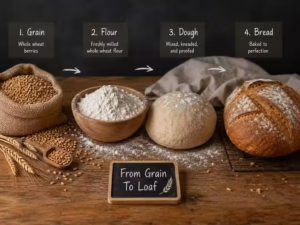
How Much Wheat to Make a Loaf of Bread
If you have ever looked at a bag of wheat berries and wondered, “How much wheat does it actually take to make one loaf of bread? ” — you are not alone. I asked the same thing the first time I tried home milling. I assumed a cup of wheat would magically turn into a loaf of bread. Reality was a bit messier.
The short answer is simple: most standard 1-pound bread loaves need about 4–6 cups of wheat berries, depending on the bread type and how much flour extraction happens during milling.
Still, the real answer changes based on flour type, loaf size, hydration, and whether you mill wheat at home or buy commercial flour. This guide breaks it all down in plain English.
Quick Answer: How Much Wheat to Make a Loaf of Bread
Most 1-pound bread loaves need 4–6 cups of wheat berries to produce enough flour for baking.
Average Wheat Needed for One Standard Loaf
A standard homemade loaf usually needs around 3–4 cups of flour. To produce that flour, you normally need about 4–6 cups of wheat berries.
Here is the quick breakdown:
- White sandwich bread: about 4–5 cups of wheat berries
- Whole wheat bread: about 5–6 cups of wheat berries
- Small homemade loaf: about 3–4 cups of wheat berries
- Large artisan loaf: about 5 cups wheat berries
The first time I milled hard red wheat at home, I was surprised by the loss during sifting. Bran and germ removal lowered the final flour yield more than I expected.
White bread usually needs more raw wheat because the bran and germ are removed during processing. Whole wheat keeps the entire kernel, so the extraction rate stays higher.
Quick Conversion Table for Wheat, Flour, and Bread Yield
A fast conversion table helps readers understand how wheat turns into flour and finally into bread.
| Bread Type | Flour Needed | Wheat Berries Needed | Approximate Loaf Size |
|---|---|---|---|
| White Sandwich Bread | 3–4 cups | 4–5 cups | 1 lb loaf |
| Whole Wheat Bread | 3½–4½ cups | 5–6 cups | 1 lb loaf |
| Artisan Bread | 4 cups | 5 cups | Large boule |
| Small Homemade Loaf | 2–3 cups | 3–4 cups | Small loaf |
Shorter extraction rates in white flour production explain why more wheat is needed compared to the finished flour weight.
Understanding the Wheat-to-Bread Conversion Process
How Wheat Becomes Flour
Wheat becomes flour through cleaning, drying, milling, and separating bran and germ from the kernel.
Wheat does not turn straight into baking flour. First, the grain gets cleaned and dried. Then it moves through grinding stages inside a mill.
Commercial mills separate parts of the kernel:
- Bran
- Germ
- Endosperm
White flour mostly uses the endosperm. Whole wheat flour uses almost all parts of the grain.
Extraction percentage matters a lot. A 100% extraction keeps the whole grain. Lower extraction removes more material and reduces flour yield.
Why Flour Yield Changes the Amount of Wheat Needed
Whole wheat flour keeps more of the grain. That means less waste and better yield.
White flour removes bran and germ. This lowers the amount of final flour you get from the same wheat berries.
Home milling also changes results. Small home grinders often leave coarse particles behind. I noticed this myself when switching from store flour to fresh-milled wheat. My first batches produced less fine flour than expected.
Commercial mills are far more efficient than home setups.
Wheat Types Commonly Used for Bread
Different wheat varieties produce different bread textures.
Common bread wheats include the following:
- Hard red wheat
- Hard white wheat
- Spring wheat
- Winter wheat
Hard red wheat has strong gluten and makes hearty bread. Hard white wheat tastes milder and works well for sandwich loaves.
Spring wheat often has higher protein. Higher protein helps bread rise better and hold its structure.
How Much Flour Does One Loaf of Bread Require?
Most homemade bread loaves use 400–500 grams of flour, depending on bread style and hydration.
Standard Homemade Bread Measurements
A standard loaf usually needs:
- 3–4 cups flour
- About 400–500 grams
Most U.S. bread recipes stay inside this range.
Hydration also changes flour needs. Wetter dough spreads more and may require extra flour adjustments during mixing.
I learned this the hard way with sourdough. My first high-hydration dough looked more like pancake batter than bread dough.
Flour Quantity by Bread Style
Different bread styles need different flour amounts because loaf size and hydration vary.
| Bread Style | Average flour weight | Typical Dough Hydration | Final Texture |
|---|---|---|---|
| Sandwich Bread | 400–500g | Medium | Soft |
| Sourdough | 450–550g | High | Chewy |
| French Bread | 350–450g | Medium-High | Crusty |
| Whole Wheat Bread | 450–600g | Medium | Dense |
Hydration levels directly affect dough volume and loaf density.
Wheat Yield Per Acre: How Many Loaves Can Be Made?
Average U.S. Wheat Production Per Acre
One acre of wheat can produce thousands of bread loaves, depending on regional yields and milling efficiency.
U.S. wheat farms usually produce between 40 and 70 bushels per acre. Weather, soil, and wheat type change the numbers.
Winter wheat often produces higher yields than spring wheat. Dry regions may see smaller harvests.
How Many Loaves Come from One Bushel of Wheat
This helps show how efficient wheat really is.
| Wheat Measurement | Approximate Output |
|---|---|
| 1 Bushel of Wheat | ~60 pounds |
| Flour Produced | ~42 pounds |
| Standard Bread Loaves | ~60–70 loaves |
Commercial extraction rates matter more than raw grain weight alone.
Real-World Bakery Production Estimates
Small bakeries often calculate flour use down to the gram.
Large industrial bakeries process huge amounts of wheat daily. Yet even commercial systems lose flour through dust, handling, and trimming.
Waste happens at every stage:
- Milling
- Mixing
- Proofing
- Baking
- Packaging
Factors That Change How Much Wheat Is Needed
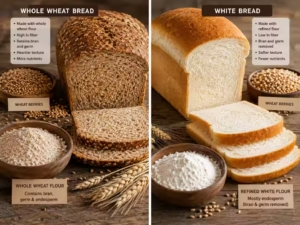
Whole Wheat vs White Bread Efficiency
Whole wheat keeps the full kernel. That improves extraction efficiency.
White flour removes bran and germ. This lowers the yield but creates softer bread.
Whole wheat bread often feels denser and heavier because fiber stays inside the dough.
Moisture Content and Storage Conditions
Moisture changes flour yield, shelf life, and milling consistency during bread production.
Dry wheat stores better and mills more evenly.
Humid grain can:
- Reduce flour quality
- Cause clumping
- Lower shelf life
I once stored wheat in a warm garage during the summer. The grain absorbed moisture and milled poorly afterward.
Dough Hydration and Bread Density
High-hydration dough creates open crumb bread with large air pockets.
Dense whole-grain bread uses water differently and often needs more flour overall.
Airy sandwich bread may use less grain by weight than dense rustic loaves.
Homemade Milling vs Commercial Flour Processing
Home mills are convenient but less efficient.
Stone-ground flour may contain larger bran pieces. Fine commercial rollers create more consistent extraction rates.
Most beginners underestimate the following:
- Flour loss
- Sifting waste
- Milling inconsistencies
How to Calculate Wheat Needed for Homemade Bread
Step 1 — Determine Desired Loaf Size
Small loaves need less flour and wheat.
Family-sized sandwich loaves usually target about 1 pound after baking.
Step 2 — Estimate Flour Requirement
[Snippet Answer Friendly] Most 1-pound loaves require 400–500 g of flour before baking.
Use baker’s percentages for better accuracy.
Higher hydration dough often changes flour handling during mixing.
Step 3 — Convert Flour to Wheat Berries
A simple rule works well:
- 1 cup wheat berries ≠ 1 cup flour
Whole-grain conversion rates are usually better than white flour extraction.
Step 4 — Adjust for Milling Losses
Home milling creates losses during:
- Grinding
- Sifting
- Bran removal
Beginners often forget this step.
Common Calculation Mistakes
Many people confuse flour weight with raw-grain weight.
Other common mistakes include:
- Ignoring moisture content
- Using bad cup conversions
- Overlooking extraction percentages
Verification Check
Good dough should:
- Feel elastic
- Rise properly
- Hold shape
Fresh flour should feel soft and smell slightly sweet.
Whole Wheat Bread vs White Bread: Wheat Usage Comparison
Side-by-Side Wheat Efficiency Table
Readers often assume whole wheat uses less grain. That is not always true.
| Bread Type | Wheat Usage Efficiency | Nutritional Retention | Texture |
|---|---|---|---|
| Whole Wheat Bread | Higher | High | Dense |
| White Bread | Lower | Reduced | Soft |
| Artisan White Bread | Medium | Moderate | Open crumb |
White flour processing lowers the final flour yield from the same amount of grain.
Nutritional Trade-Offs
Whole wheat keeps:
- Fiber
- Minerals
- Natural oils
White flour removes many nutrients during refining.
Cost Differences in Real Usage
Wheat berries can save money long-term.
Home milling also improves freshness. But equipment costs and storage space matter too.
Real-World Bread Making Scenarios
Small Household Bread Baking
A family baking two loaves weekly may use the following:
- 8–12 cups of flour
- 10–15 cups wheat berries
That adds up quickly over months.
Off-Grid or Homestead Wheat Planning
Long-term wheat storage helps homesteaders estimate monthly bread needs more accurately.
Preparedness-focused households often calculate rent by month or year.
A bread-heavy household may store hundreds of pounds annually.
Commercial Bakery Perspective
Industrial bakeries use highly optimized systems.
Large bakeries track:
- Flour waste
- Dough loss
- Yield efficiency
Even tiny percentage losses matter at scale.
Common Misconceptions About Wheat and Bread Production
“One Cup of Wheat Equals One Cup of Flour”
This is one of the biggest beginner mistakes.
Milling shrinkage changes the final amount.
Bran separation lowers usable flour volume.
“Whole Wheat Bread Uses Less Grain”
Whole wheat keeps more of the kernel. But dense dough and hydration differences can increase overall usage.
“All Wheat Produces the Same Bread Quality.”
Protein content and gluten strength greatly affect bread quality and loaf structure.
Different wheat types behave very differently during baking.
Higher protein wheat creates stronger gluten and better rise.
Storage, Shelf Life, and Wheat Quality Considerations
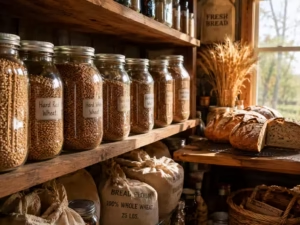
Proper Wheat Berry Storage
Wheat stores best in:
- Cool spaces
- Dry containers
- Airtight bins
Moisture and pests are the biggest risks.
Flour Shelf Life vs Whole Wheat Shelf Life
Whole wheat flour spoils faster because natural oils remain inside.
Wheat berries last much longer when stored correctly.
Fresh-milled flour tastes noticeably richer. I noticed the flavor difference immediately after switching from store-bought flour.
Signs Wheat Is No Longer Suitable for Bread
Watch for:
- Sour smells
- Moisture damage
- Insects
- Mold
Healthy wheat should smell dry and clean.
Performance: How Much Wheat to Make a Loaf of Bread
Wheat Efficiency in Real Baking Conditions
Real baking always includes some waste.
You may lose power through:
- Bench flower
- Dough sticking
- Sifting
- Trimming
Home bakers often underestimate this.
Long-Term Value of Buying Wheat Instead of Flour
Bulk wheat storage offers the following:
- Lower long-term cost
- Longer shelf life
- Fresher flour
Still, milling takes extra work and planning.
Situations Where Wheat-to-Flour Conversion Matters Most
These calculations matter most for:
- Homesteading
- Emergency food storage
- Small bakeries
- Bulk grain buying
Once you understand wheat-to-flour conversion, bread planning becomes much easier and far less wasteful.
FAQs for How Much Wheat to Make a Loaf of Bread
How much wheat does it take to make one loaf of bread?
Most 1-pound bread loaves need about 4–6 cups of wheat berries. The exact amount depends on flour type, loaf size, and milling method.
How much flour comes from wheat berries?
One cup of wheat berries makes about 1½ cups of whole wheat flour. White flour yields less because bran and germ are removed.
Does whole wheat bread use more wheat than white bread?
Whole wheat bread often uses slightly less processed grain. White bread needs more wheat because milling removes part of the kernel.
How many loaves of bread come from one bushel of wheat?
One bushel of wheat can make about 60–70 standard bread loaves. Milling efficiency and flour extraction rates affect the final number.
Can I grind wheat at home for bread-making?
Yes. Home mills can turn wheat berries into fresh flour for baking. Fresh-milled flour tastes richer but may produce slightly lower yields.