
Sticky floors, weak steam, and long dry times can make steam cleaning feel frustrating at first. How to Use a Shark Steam Cleaner is actually simple once you know the right setup, steam level, and floor-safe method. I learned this after using one in a busy kitchen with pets and muddy shoes, where slow passes and clean pads made a huge difference.
This guide shares real tips, safe cleaning habits, and expert advice so you can get better results without damaging your floors.
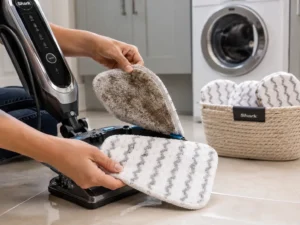
Table of Contents
ToggleHow to Use a Shark Steam Cleaner
Steam cleaners look simple at first. Then you plug one in and wonder why the floor feels sticky, why the steam stops halfway through, or why your wood floor suddenly looks dull. I learned that the hard way after rushing through my first kitchen cleanup with a Shark steam cleaner. I used too much steam, stayed in one spot too long, and skipped vacuuming first. The floor looked worse than before.
The good news is that Shark steam cleaners are easy to use once you know the basics. They work best on sealed hard floors and light daily messes. They are fast, simple, and great for homes with pets, kids, or muddy shoes near the door.
This guide explains exactly how to use a Shark steam cleaner step by step. It also covers surface safety, water quality, steam settings, common mistakes, and realistic cleaning results.
Quick Steps to Use a Shark Steam Cleaner
Fill the tank, attach a clean pad, heat the unit, choose a steam level, clean slowly, and then cool and store safely.
What You Need Before Starting
Before you plug the cleaner in, check a few simple things first. This step saves a lot of trouble later.
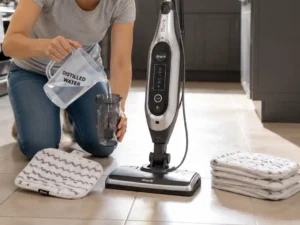
Use clean water only. Distilled water works best because it leaves less mineral buildup inside the machine. Hard tap water can slowly block steam channels over time.
Make sure you have the right microfiber pad or attachment. A worn pad will drag dirt across the floor instead of lifting it. I once reused a dirty pad during a bathroom cleanup, and the floor ended up streaky and dull.
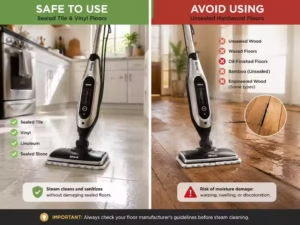
Check the floor surface too. Steam cleaners work best on sealed tile, vinyl, and sealed stone. Unsealed wood and weak laminate can trap moisture and warp.
Set up the cord where it will not snag furniture or cross wet floors. A safe outlet and clear cleaning path make the whole process smoother.
Basic Operating Steps for How to Use a Shark Steam Cleaner
Start by filling the tank to the marked line. Do not overfill it. Too much water can reduce steam consistency and cause leaking.
Attach the proper cleaning head or accessory before turning the unit on. Floor pads work best for large areas, while brushes help with grout and corners.
Allow the cleaner enough time to heat up fully. Most Shark models heat up within 30 seconds to 2 minutes. You will usually see a steady light once the steam is ready.
Choose the right steam level for the surface. Low steam is safer for delicate flooring. High steam helps loosen sticky dirt on tile.
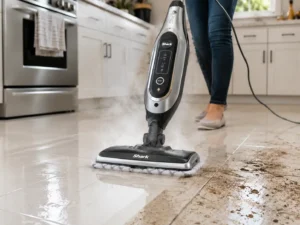
Move the cleaner slowly in straight lines. Think of it like mowing grass. Overlap each pass slightly so no spots get missed.
When finished, unplug the unit and let it cool fully before storing it. Empty leftover water to reduce internal residue.
Common Mistakes During Setup and Use
Many problems come from small setup mistakes. Most are easy to avoid.
Overfilling the tank is common. The cleaner may spit water instead of steady steam when this happens.
Never pour chemical cleaners into the reservoir. Steam systems are built for water only. Cleaners can damage seals and heating parts.
Do not leave steam in one area for too long. Heat and moisture can stress flooring finishes. Hardwood suffers the most from this mistake.
Dirty microfiber pads also reduce cleaning power. Pads hold grime fast. Once saturated, they stop absorbing dirt well.
How to Know the Steam Cleaner Is Working Properly
A healthy Shark steam cleaner produces steady steam without heavy sputtering. Steam should stay consistent during normal use.
Floors should dry within a few minutes. If puddles remain, the steam setting may be too high.
The microfiber pad should slowly collect visible dirt during cleaning. That dark buildup is a good sign the pad is lifting grime correctly.
Some humming and heating sounds are normal. Loud popping or uneven steam often points to mineral buildup inside the unit.
Surface Compatibility Guide for How to Use a Shark Steam Cleaner
Steam cleaning works differently on every surface. Heat, moisture, and floor sealing all matter. Some floors handle steam well, while others absorb moisture and weaken over time.
| Surface Type | Safe to Use | Steam Level Recommendation | Extra Caution Needed |
|---|---|---|---|
| Sealed Tile | Yes | Medium to High | Watch grout saturation |
| Sealed Hardwood | Limited | Low | Avoid prolonged steam exposure. |
| Laminate | Conditional | Low | Manufacturer approval needed |
| Vinyl Floors | Yes | Low to Medium | Avoid overheating seams. |
| Carpet (with glider) | Yes | Medium | Refreshing only, not deep extraction |
| Marble/Natural Stone | Conditional | Low | Sealant sensitivity |
Steam affects surfaces differently because heat expands materials and moisture seeps into weak spots. Sealed floors handle steam much better than porous surfaces.
Surfaces You Should Avoid Steam Cleaning
Some surfaces simply do not mix well with steam.
Avoid unsealed hardwood completely. Steam can seep into the grain and cause swelling or cracking later.
Wax-coated floors may lose their finish after repeated steaming. Delicate painted surfaces can also peel under heat exposure.
Do not use steam near exposed wiring, outlets, or electronics. Moisture and electricity are never a safe mix.
Thin laminate with weak seams is another risky surface. Steam can slip between edges and loosen the layers underneath.
Why Surface Sensitivity Matters
Heat changes materials slowly over time. Floors may look fine at first but weaken after months of repeated steam exposure.
Moisture penetration is the biggest risk. Tiny gaps allow steam to move below the surface, where drying becomes difficult.
Floor finishes can also fade or lose shine from repeated overheating. Some flooring warranties even ban steam cleaners completely.
Always check manufacturer guidance before steaming sensitive flooring.
Water Requirements and Steam Performance: How to Use a Shark Steam Cleaner
Distilled Water vs Tap Water
Distilled water helps Shark steam cleaners last longer by reducing mineral buildup inside the heating system.
Distilled water keeps the machine cleaner inside. It leaves very little residue after heating.
Filtered water works reasonably well, too. But hard tap water often causes scaling over time. In older homes, mineral-heavy water can clog steam paths surprisingly fast.
I noticed weaker steam output after months of using tap water daily. Once I switched to distilled water, performance stayed much steadier.
How Water Quality Affects Steam Output
| Water Type | Steam Consistency | Internal Residue Risk | Maintenance Frequency |
|---|---|---|---|
| Distilled Water | Stable | Low | Reduced |
| Filtered Water | Moderate | Medium | Moderate |
| Hard Tap Water | Inconsistent Over Time | High | Frequent descaling |
Mineral deposits slowly block steam channels. As the buildup grows, pressure drops, and heating takes longer.
Signs of Internal Mineral Buildup
Weak steam is often the first warning sign. The cleaner may still heat up, but the output feels uneven.
Delayed heating times also point to scaling inside the unit. Some machines begin making popping or sputtering sounds as minerals harden.
White residue near steam nozzles is another common clue.
Steam Settings and Attachment Selection for How to Use a Shark Steam Cleaner
Understanding Low, Medium, and High Steam Modes
Low steam works best for delicate surfaces and quick daily cleaning. It reduces moisture exposure and dries fast.
Medium steam handles normal dirt and kitchen traffic well. This setting is usually the safest balance for most homes.
High steam is useful for sticky messes or grout cleaning. But stronger steam does not always mean better cleaning. Too much moisture can leave floors streaky.
Common Shark Steam Cleaner Attachments and Their Purpose
| Attachment | Primary Use | Best Surface/Application |
|---|---|---|
| Microfiber Pad | Daily floor cleaning | Tile, vinyl, sealed wood |
| Scrub Brush | Tough grime removal | Grout, bathroom corners |
| Carpet Glider | Carpet refreshing | Low-pile carpets |
| Concentrator Nozzle | Targeted steam cleaning | Tight crevices |
| Garment Tool | Fabric steaming | Curtains, upholstery |
Using the wrong attachment often hurts cleaning results more than weak steam.
Attachment Wear and Long-Term Performance
Pads lose absorbency over time. Once they stop holding dirt well, floors may feel sticky after cleaning.
Brushes slowly soften, too. That reduces scrubbing power on grout and textured surfaces.
Steam nozzles can also clog if residue builds up inside attachments.
Step-by-Step Floor Cleaning Process: How to Use a Shark Steam Cleaner
Preparing Floors Before Steam Cleaning
Always sweep or vacuum first. Steam cleaners loosen dirt, but they do not replace vacuuming.
Tiny debris acts like sandpaper during cleaning. I learned this after dragging crumbs across dark vinyl flooring and leaving faint scratches behind.
Spot-test sensitive flooring before cleaning the full room.
Proper Movement Technique During Steam Cleaning
Move slowly and steadily. Quick passes leave dirt behind because steam needs time to loosen grime.
Overlap each pass slightly for full coverage. Edges and corners may need extra attention with slower movement.
Avoid holding the cleaner still. Constant motion protects floors from overheating.
Handling Sticky Residue and High-Traffic Areas
Sticky spots usually need several passes. Let the steam sit briefly, then move again slowly.
Rotate pads often during large jobs. A saturated pad spreads residue instead of removing it.
High-traffic kitchen zones may require fresh pads halfway through cleaning.
Drying Expectations After Steam Cleaning
Most floors dry within 2 to 10 minutes. Good airflow speeds drying.
Humid rooms take longer. Bathrooms and closed spaces often stay damp longer than open living rooms.
If floors stay wet for too long, reduce steam settings next time.
Using a Shark Steam Cleaner Beyond Floors
Cleaning Bathroom Grout and Tile Walls
Steam works well on bathroom grout because heat softens soap residue fast.
Use a brush attachment for corners and textured grout lines. Mold-prone spots may need repeated passes.
Steam helps loosen grime, but severe mold usually needs stronger treatment.
Upholstery and Fabric Steaming
Always test fabric first. Some materials react poorly to heat and moisture.
Steam refreshes odors well on curtains and couches. But it does not replace deep upholstery extraction cleaning.
Use light steam and avoid soaking fabrics.
Kitchen Cleaning Applications
Steam loosens light grease well on sealed counters and stovetops.
Heavy grease still needs manual scrubbing sometimes. Steam helps soften buildup, but will not melt years of residue instantly.
Wipe food-contact surfaces afterward with a clean cloth.
Window and Glass Cleaning Risks
Glass reacts badly to sudden heat changes. Cold windows can crack from rapid temperature shock.
Use low steam and keep some distance from the surface. Quick wiping also helps prevent streaks.
Safety Considerations for How to Use a Shark Steam Cleaner
Personal Safety Precautions
Steam burns happen fast. Keep your hands away from active nozzles.
Watch the power cord during cleaning so it does not wrap around your feet or furniture.
Keep children and pets away while the unit is hot.
Product Safety and Internal Protection
Never run the machine without water. Dry heating can damage internal parts quickly.
Always unplug the cleaner before changing attachments.
Allow the machine to cool fully before storage.
Environmental and Moisture Risks
Too much steam in small rooms can raise humidity levels quickly.
Repeated oversaturation may trap moisture beneath the flooring. That can slowly increase mold risk in weak subfloors.
Good ventilation helps reduce moisture buildup indoors.
Common Problems and Troubleshooting: How to Use a Shark Steam Cleaner
Why the Steam Cleaner Is Not Producing Steam
Low water, mineral clogs, airlocks, or heating issues are the most common reasons a Shark steam cleaner stops steaming.
First, check water levels. An empty tank is the simplest cause.
Airlocks can also block steam flow after refilling. Sometimes tilting the unit slightly helps restart the flow.
Mineral buildup is another common problem in older units.
Why Floors Feel Sticky After Steam Cleaning
Sticky floors usually come from dirty pads or leftover detergent residue.
Using too much steam can also leave excess moisture behind. Lower settings often solve the problem.
Clean pads frequently during large cleaning sessions.
Water Leaking From the Steam Cleaner
Overfilled tanks commonly cause leaking. Water may also drip briefly from condensation during heating.
Check the tank seal if leaks continue during use.
Strange Noises or Weak Steam Pressure
Popping sounds often point to internal mineral scaling.
Partial clogs reduce steam pressure, too. Regular maintenance helps prevent these issues from growing worse.
Cleaning Pad Care and Machine Maintenance for How to Use a Shark Steam Cleaner
How Often to Wash or Replace Pads
Wash pads after every major cleaning session. Dirty pads trap oils and odors quickly.
Replace them once absorbency drops noticeably. Worn pads spread moisture instead of lifting dirt.
Heavy pet homes usually wear pads faster.
Descaling and Internal Cleaning
Some owners use vinegar for descaling, but not all Shark models support this safely.
Always follow manufacturer-safe cleaning guidance first.
Regular maintenance matters more than aggressive cleaning methods.
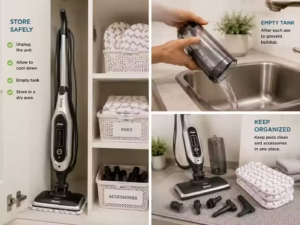
Proper Storage After Use
Empty the tank after each use. Standing water increases residue buildup inside the machine.
Allow all parts to dry before storage.
Wrap cords loosely and keep attachments organized so nozzles stay clean.
Real-World Usage Expectations: How to Use a Shark Steam Cleaner
What Steam Cleaners Do Well
Steam cleaners are great for quick daily maintenance.
They help reduce odors and freshen sealed floors fast. Light sanitizing support is another useful benefit.
They also work well for quick spot-cleaning after spills.
Where Expectations Often Exceed Reality
Steam cleaners are not miracle machines.
Deep stains may remain. Heavy grease often still needs scrubbing. Old grout discoloration usually takes more than steam alone.
Pet messes can also leave odors deep below surfaces that steam cannot fully remove.
Long-Term Ownership Friction
Replacement pads add ongoing cost over time.
Mineral buildup requires regular maintenance, too. Large homes may also feel annoying because tanks need frequent refilling.
Corded movement can feel restrictive during long cleaning sessions.
Time, Effort, and Skill Level for How to Use a Shark Steam Cleaner
| Cleaning Task | Estimated Time | Difficulty Level | Physical Effort |
|---|---|---|---|
| Small Bathroom Floor | 10–15 Minutes | Beginner | Low |
| Full Kitchen Cleaning | 20–30 Minutes | Beginner | Moderate |
| Grout Detailing | 30–45 Minutes | Intermediate | Moderate |
| Whole-House Floor Cleaning | 45–90 Minutes | Intermediate | Moderate to High |
Steam cleaning feels easy at first, but large homes require patience. Refilling tanks and changing pads become part of the routine.
Who Benefits Most From a Shark Steam Cleaner
Homes with sealed hard flooring benefit the most.
Pet owners also enjoy quick daily cleanup power. Allergy-conscious households often like steam because it reduces the need for harsh cleaners.
Who May Want Alternative Cleaning Methods
Large carpet-heavy homes may prefer deep extraction machines instead.
Homes with unsealed hardwood should avoid steam almost completely.
People expecting heavy-duty stain removal may also feel disappointed.
Practical Cleaning Scenarios for How to Use a Shark Steam Cleaner
Weekly Kitchen Maintenance Routine
Sweep crumbs first, then steam-clean high-traffic paths slowly.
Use medium steam for sticky cooking spots near counters and sinks.
Bathroom Deep-Clean Workflow
Start with grout lines and corners using a brush attachment.
Finish floors last so that loosened debris gets removed during the final pass.
Quick Cleanup After Pet Accidents
Steam helps sanitize light surface messes fast.
Always blot liquids fully before steaming to avoid spreading residue.
Seasonal Floor Refresh Before Guests
Steam cleaning works great before holidays or family visits.
It freshens sealed floors quickly without heavy chemical smells.
Light Carpet Refresh Between Vacuum Cycles
A carpet glider can help freshen low-pile rugs between deep cleanings.
Steam refreshes fibers but does not fully extract deep dirt.
Key Decision Factors Before Using a Shark Steam Cleaner
Surface Type Compatibility
Always check if your flooring is sealed and steam-safe first.
Maintenance Commitment
Steam cleaners need regular pad washing and occasional descaling.
Steam Power vs Moisture Control
Higher steam is not always better. Controlled moisture matters more.
Attachment Versatility
Extra tools improve cleaning flexibility around bathrooms, kitchens, and fabrics.
Storage and Cord Management
Corded models need storage space and careful wrapping after use.
Realistic Cleaning Expectations
Steam cleaners maintain surfaces well, but they are not industrial restoration tools.
Performance and Practical Factors for How to Use a Shark Steam Cleaner
Steam Output Performance: How to Use a Shark Steam Cleaner
Consistent steam matters more than extreme steam pressure.
Water Tank Capacity: How to Use a Shark Steam Cleaner
Small tanks heat quickly but need more refills during large jobs.
Heat-Up Speed: How to Use a Shark Steam Cleaner
Most Shark models heat fast enough for quick daily cleaning.
Cleaning Pad Durability: How to Use a Shark Steam Cleaner
Pad quality directly affects cleaning results and streak prevention.
Attachment Versatility: How to Use a Shark Steam Cleaner
Extra attachments expand cleaning options beyond floors.
Maneuverability and Weight: How to Use a Shark Steam Cleaner
Lightweight models feel easier during long cleaning sessions.
Cord Length and Reach: How to Use a Shark Steam Cleaner
Longer cords reduce outlet switching during whole-house cleaning.
Maintenance Requirements: How to Use a Shark Steam Cleaner
Regular descaling and pad care protect long-term performance.
Noise and Operating Comfort: How to Use a Shark Steam Cleaner
Most units stay fairly quiet aside from normal heating sounds.
Long-Term Reliability: How to Use a Shark Steam Cleaner
Proper water choice and routine maintenance greatly improve machine lifespan.
FAQs for How to Use a Shark Steam Cleaner
How do you use a Shark steam cleaner for the first time?
Fill the tank with water, attach a clean pad, and wait for the heat-up. Move the cleaner slowly on sealed floors for the best steam cleaning results.
Can you use tap water in a Shark steam cleaner?
You can use tap water, but distilled water helps prevent mineral buildup. It also keeps steam output steady and reduces long-term cleaning issues.
Is a Shark steam cleaner safe for hardwood floors?
A Shark steam cleaner is only safe on sealed hardwood floors. Use low steam and avoid holding steam in one spot for too long.
Why is my Shark steam cleaner leaving streaks?
Dirty pads and too much steam often cause streaks. Wash pads often and lower the steam setting for smoother floor cleaning.
How long does a Shark steam cleaner take to heat up?
Most Shark steam cleaners heat up in 30 seconds to 2 minutes. Heating time depends on the model, water level, and steam setting used.
Can a Shark steam cleaner clean carpet?
Yes, some Shark steam cleaners clean carpets with a carpet glider. They refresh surface fibers but do not deep clean like carpet extractors.
Why is my Shark steam cleaner not making steam?
Low water, mineral buildup, or trapped air can block steam flow. Check the tank, clean the unit, and allow full heat-up time.
How often should you wash Shark steam cleaner pads?
Wash pads after each major cleaning session. Clean pads absorb dirt better and help prevent sticky floors or dull-looking surfaces.
Can you put cleaning solution in a Shark steam cleaner?
No. Shark steam cleaners are made for water only. Cleaning chemicals may damage internal parts and reduce steam performance over time.
What floors should you avoid steam cleaning?
Avoid unsealed wood, waxed floors, and weak laminate. Steam and moisture can damage sensitive surfaces and loosen floor finishes.