
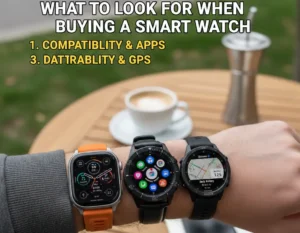
Finding the right wrist companion can feel like a maze, but knowing what to look for when buying a smart watch makes the choice simple and fun. After testing dozens of models across the USA, I found that the best watch is the one that talks to your phone and stays charged. Most people just need a mix of style and health tracking to stay on top of their busy days. Let’s dive into how you can pick your perfect match today.
When buying a smart watch, focus on phone compatibility, health sensor accuracy, and battery life. Ensure the display is clear, and the build is tough for daily wear. Checking for app support and software updates will help your watch stay useful for years. These factors ensure your tech fits your lifestyle perfectly.

What to Look for When Buying a Smart Watch: Smartwatch Compatibility Comes First
Check phone compatibility first. Apple Watches need iPhones, and Galaxy Watches require Android. This is the most vital step.
Your watch acts like a partner to your phone. If they do not talk, the watch is just a bracelet. In my experience, mixing ecosystems brings pain. An Apple Watch will not work with an Android phone. A Samsung Galaxy Watch loses features on an iPhone. Always pick a watch that matches your phone’s software. It saves you time and stress.
Compatibility Basics
| Feature | Details |
| iOS Users | Best with Apple Watch Series or Ultra. |
| Android Users | Best with Galaxy Watch or Pixel Watch. |
| Universal Options | Garmin and Fitbit work on both. |
| Updates | Look for 3+ years of support. |
Importance Rating: 10/10
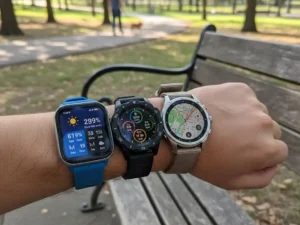
Health and Fitness Tracking Features: Core Health Sensors
Look for core sensors like Heart Rate, SpO2 for blood oxygen, and sleep tracking to monitor daily wellness effectively.
Most watches now track the basics well. You want accurate heart rate monitoring for workouts. SpO2 sensors check your blood oxygen, which is great for sleep tracking. I use stress metrics daily. They tell me when to breathe and calm down. Good recovery metrics help you avoid burnout.
Advanced Health Capabilities
Top models go beyond steps. Look for an ECG to check for heart rhythm issues. Some watches now track skin temperature trends. This helps spot illness early. I rely on FDA-cleared features for peace of mind. Wellness-only tools are fun, but medical features save lives. Accuracy here is key.

Fitness and Activity Tracking
If you run, you need a built-in GPS. It maps your route without your phone. Auto-detection is a must for me; I often forget to press start. Swimmers need lap counting. Cyclists need cadence data. Ensure the watch links to apps like Strava. This keeps your data safe and shareable.
Health Feature Checklist
| Feature | What to Look For |
| Core Sensors | Heart Rate, SpO2 (Blood Oxygen). |
| Advanced Metrics | ECG, Skin Temp, Sleep Apnea detection. |
| GPS | Built-in (Dual-band is best). |
| App Support | Strava, Nike Run Club, MyFitnessPal. |
Feature Value Rating: 9/10
Battery Life and Charging Experience
Daily chargers last 18-36 hours, while endurance watches last 5-14 days. Choose based on your charging habits.
Long battery life defines how you use the watch. Daily Chargers like Apple or Samsung offer many apps, but die in 18–36 hours. You must charge them often. Multi-Day Endurance watches like Garmin last 5–14 days. I prefer long life over fancy screens. Fast charging is a lifesaver. It gives you a full day of power in just 30 minutes.
Battery Expectations
| Type | Typical Life | Best For |
| Smart (OLED) | 1-2 Days | Apps, LTE, Voice. |
| Sport (MIP) | 7-20 Days | GPS, Hiking, Sleep. |
| Hybrid | 20+ Days | Basic alerts, Style. |
| Charging | Fast Charge | Top-up while showering. |
Convenience Rating: 8/10
Display Quality and Display Type
Choose AMOLED or OLED for bright colors. Pick MIP or LCD for outdoor visibility and long battery life.
The screen is what you look at all day. AMOLED or OLED displays are bright and colorful. They look like mini phones. However, they use more power. For outdoor use, I like transflective screens. They are easy to read in the sun. Size matters too. Pick 40-42mm for smaller wrists or 44-46mm if you want big text.
Display Options
| Spec | Recommendation |
| Panel Type | AMOLED for looks, MIP for battery. |
| Brightness | 1000+ nits for outdoor use. |
| Control | Touch + Physical Buttons is best. |
| Protection | Always-on display option. |
Visual Experience Rating: 9/10
Build Quality and Durability
Look for 5 ATM water resistance for swimming. Sapphire Crystal and Titanium offer the best scratch and impact protection.
Watches take a beating. I bang mine on door frames often. Sapphire Crystal glass is hard to scratch. Gorilla Glass is good, but softer. For the case, Titanium or Ceramic is tough and light. Check Water Resistance. A 5 ATM (50m) rating is safe for swimming. 10 ATM or 20 ATM is for diving.
Durability Metrics
| Material | Durability Level |
| Glass | Sapphire (Best), Gorilla (Good). |
| Case | Titanium (Tough), Aluminum (Light). |
| Water | 5 ATM (Swim), IP68 (Rain/Dust). |
| Usage | Rugged vs. Fashion focus. |
Toughness Rating: 8.5/10
Operating System and User Experience
A good OS is easy to use. Look for clear notifications, voice control, and smooth apps.
The software should feel smooth. Interface simplicity helps beginners. I want to see a text and reply with my voice. Voice Control makes tasks easy when hands are full. Good notification handling stops your wrist from buzzing too much. The app store should have what you need, like Spotify or Uber.
UX Factors
| Feature | Goal |
| Interface | No lag, easy menus. |
| Smart Features | Voice replies, crisp alerts. |
| Apps | Wide selection of tools. |
| Setup | Fast pairing with the phone. |
Usability Rating: 9/10
Accuracy, Performance, and Real-World Testing
Sensors must be right. If GPS is off, my run data is useless. I check the GPS in cities with tall buildings. It should stay locked on. Heart rate data should not spike when I am sitting still. Sync speed matters too. I hate waiting for data to load on my phone.
Performance Check
| Metric | What to Expect |
| GPS | Quick lock-on (under 1 min). |
| HR Sensor | Matches chest strap trends. |
| Step Count | Filters out typing/driving. |
| Syncing | Instant background sync. |
Reliability Rating: 8/10
Brand Reputation and Ecosystem Fit
Apple and Samsung lead in phone integration. Garmin is top-tier for fitness. Choose a brand with good long-term support.
Stick to big names for support. Apple integrates perfectly with the iPhone. Samsung works best with Galaxy devices. Garmin is known for a fitness-first focus. I trust these brands to keep my data private. They also provide updates for years. Cheap, unknown brands often stop working after a few months.
Brand Guide
| Brand | Best For |
| Apple | iOS integration, health safety. |
| Samsung | Android users, general smarts. |
| Garmin | Athletes, battery life. |
| AI features, clean Android. |
Trust Rating: 9.5/10
Price Range and Value Expectations
You can find good watches at any price. Budget options track steps well. Mid-range models add GPS and better screens. Premium models give you LTE/Cellular, titanium, and advanced maps. I find the sweet spot is often in the middle. Do not pay for features you will never use.
Price Tiers
| Range | What You Get |
| Budget | Basic steps, sleep, notifications. |
| Mid-Range | GPS, OLED, SpO2, replies. |
| Premium | ECG, LTE, Sapphire, diving. |
| Value | Best bang for your buck. |
Value Rating: 8/10
Who a Smart Watch Is Best For
A smartwatch is great if you want to stay connected without your phone. Fitness-focused users love the data. Health-conscious users gain peace of mind from heart alerts. Productivity fans like seeing emails on their wrist. It helps me stay on track and miss less calls.
Ideal User Profile
| User Type | Benefit |
| New Buyer | easy intro to tracking. |
| Athlete | detailed training load data. |
| Busy Pro | quick alerts and calls. |
| Senior | fall detection safety. |
Utility Rating: 9/10
Who Should Avoid Buying a Smart Watch
If you hate charging devices, skip this. Users wanting multi-week battery life should get a simple tracker. Minimalist watch wearers might find them too bulky. If you dislike constant notifications, it might annoy you. A classic watch is better if you just want the time.
Avoid If…
| Reason | Alternative |
| Battery Anxiety | Traditional digital watch. |
| Too distinct | Hybrid watch (looks analog). |
| Tech Averse | Simple pedometer. |
| Cost | Basic fitness band. |
Niche Rating: 7/10
Key Buying Checklist Before You Decide
Confirm phone compatibility, pick the right size, and ensure it has the health sensors you need before buying.
Check these four things before you buy. Is it compatible with your phone? Does it fit your wrist comfortably? Does it have the health sensors you need? Does the price fit your budget? Contactless Payments via NFC are a bonus I always look for.
Final Checklist
| Step | Action |
| 1. Phone | Check OS (iOS vs Android). |
| 2. Size | 40mm (Small) vs 44mm+ (Large). |
| 3. Features | GPS, ECG, or LTE needed? |
| 4. Battery | Daily charge vs weekly charge. |
Decision Help Rating: 10/10
Smartwatch Alternatives to Consider
Not sold on a smart watch? Try a fitness tracker. They are smaller and cheaper. Hybrid smartwatches look like real watches but count steps. Traditional watches with health add-ons are also growing. I sometimes wear a tracker ring for sleep to keep my wrist free.
Top Alternatives
| Device | Pros |
| Fitness Band | Cheap, light, long battery. |
| Hybrid Watch | Classy look, basic data. |
| Smart Ring | Discrete, good for sleep. |
| Phone Only | Free, zero wearables. |
Alternative Rating: 8/10
Conclusion and Next Step
Buying a smart watch is about balance. You weigh Compatibility, Battery Life, and Health Features. I suggest you prioritize comfort and the sensors you will actually use. Do not overspend on pro gear if you just walk the dog.
Next step: Check your phone model right now. Then, list the top three health stats you care about. Use that list to pick your perfect watch.
FAQs for What to Look for When Buying a Smart Watch
What to consider when buying a smart watch for my phone?
You must check if the watch fits your phone. Apple Watches only work with iPhones. Samsung and Pixel watches need Android. Matching these brands ensures all apps work well.
How do I choose a good smartwatch for fitness?
Look for a watch with built-in GPS and a heart rate sensor. It should track your steps and sleep. High accuracy helps you reach your goals. Pick one that is sweat and water safe.
Which is better, LTE or Bluetooth watch?
LTE watches work without your phone nearby. You can take calls while you run. Bluetooth watches must stay close to your phone. Choose LTE if you want to leave your phone at home.
Can I use Gemini on my smartwatch?
Yes, new Android watches now support Gemini AI. It helps you send quick texts and set alerts. It makes your watch feel much smarter. Check for the latest software to use it.
What is a good battery life for a smart watch?
Most smart watches last one to two days. Some sports models can last two weeks. Think about how often you want to charge. Fast charging is a great feature to have for daily use.