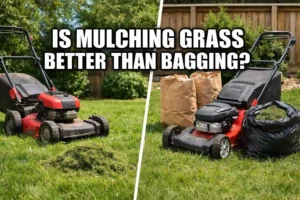
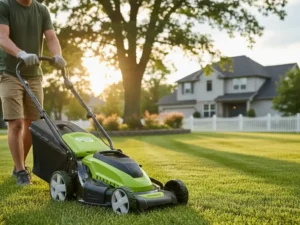
Grass care can feel like a small choice, but it shapes your lawn over time. So, is mulching grass better than bagging? In most cases, yes—mulching feeds the soil, while bagging removes nutrients and adds work. I’ve seen lawns stay greener with mulch, though I still bag when grass gets long or wet.
If you’re wondering if mulching is better than collecting grass, or what the disadvantages of bagging grass are, this guide will help you choose the right move for your yard.

Is Mulching Grass Better Than Bagging?
Keeping a lawn neat can feel like a small daily win. But one choice matters more than it seems: mulching vs bagging. Think of it like cooking—do you reuse leftovers to enrich the next meal, or throw them away for a cleaner plate?
Let’s break it down in a simple, honest way.
Mulching grass is generally better than bagging for most lawns because it returns nutrients to the soil, improves moisture retention, and reduces maintenance effort. Bagging is preferable when grass is overgrown, diseased, or full of weeds, where removing clippings helps maintain lawn health and appearance.
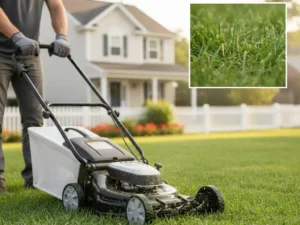
Immediate Verdict: When Mulching Wins vs When Bagging Is Smarter
Short take: Mulching wins for healthy, regular mowing. Bagging wins when the grass is messy, wet, or diseased.
Conditions where mulching clearly outperforms
- Grass is short and dry
- You mow often (weekly)
- The lawn is healthy and weed-free
Situations where bagging is the safer or cleaner option
- Grass is tall or overgrown
- The lawn is wet or clumpy
- Disease or weeds are present
Switching strategy
- Use mulching most weeks
- Switch to bagging when conditions get rough
| Condition | Mulching | Bagging |
|---|---|---|
| Regular mowing | Excellent | Good |
| Tall grass | Poor | Excellent |
| Wet grass | Poor | Good |
| Disease present | Risky | Safer |
Rating:
Mulching: 9/10
Bagging: 7/10
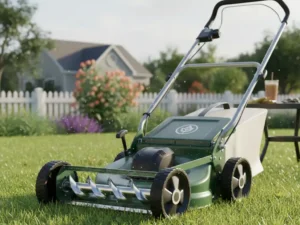
Side-by-Side Functional Comparison (Performance-Oriented)
Short take: Mulching feeds the lawn. Bagging keeps it clean but removes nutrients.
| Factor | Mulching | Bagging |
|---|---|---|
| Nutrients | Returns to soil | Removed |
| Appearance | Natural look | Clean look |
| Time | Faster | Slower |
| Moisture | Retained | Lost |
| Cleanup | Minimal | High |
| Seasons | Best in growth | Best in extremes |
Rating:
Mulching: 9/10
Bagging: 7.5/10
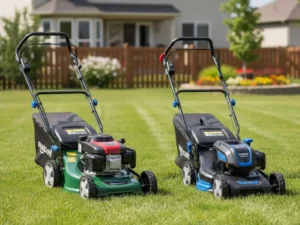
What Happens to Grass Clippings After Cutting
Short take: Mulched clippings act like tiny compost. Bagging removes this cycle.
Decomposition cycle
Mulched grass breaks down fast. It feeds the soil in days.
Nutrient return
Nitrogen goes back into the ground. This cuts fertilizer use.
Bagging impact
Bagging removes organic matter. Soil loses a free nutrient source.
Soil biology
Mulching boosts microbes. These help roots grow strong.
| Process | Mulching | Bagging |
|---|---|---|
| Breakdown | Fast | None |
| Nutrients | Returned | Lost |
| Soil life | Boosted | Reduced |
Rating:
Mulching: 10/10
Bagging: 6/10
Lawn Health Outcomes Over Time
Short take: Mulching builds long-term health. Bagging needs more input to keep up.
Nutrient Balance
- Mulching adds nitrogen
- Bagging needs extra fertilizer
Thatch: Myth vs Reality
- Mulching rarely causes thatch
- Thatch comes from roots, not clippings
Disease and Pests
- Mulching can spread disease if present
- Bagging helps control outbreaks
| Factor | Mulching | Bagging |
|---|---|---|
| Fertilizer need | Low | High |
| Thatch risk | Low | Low |
| Disease control | Medium | High |
Rating:
Mulching: 9/10
Bagging: 7/10
Performance Under Real Mowing Conditions
Short take: Mulching shines in ideal conditions. Bagging handles tough situations better.
| Condition | Mulching | Bagging |
|---|---|---|
| Short dry grass | Excellent | Good |
| Tall grass | Poor | Excellent |
| Wet grass | Poor | Good |
Rating:
Mulching: 8.5/10
Bagging: 8/10
Equipment Behavior & Mechanical Impact (Outdoor Equipment Insight)
Short take: Mulching uses special blades. Bagging needs strong airflow.
| Factor | Mulching | Bagging |
|---|---|---|
| Blade type | Curved | Standard |
| Airflow | Circulates | Pushes out |
| Engine load | Medium | Higher |
| Maintenance | Less frequent | More frequent |
Rating:
Mulching: 8.5/10
Bagging: 7.5/10
Time, Effort, and Workflow Efficiency
Short take: Mulching saves time. Bagging adds stops and effort.
| Task | Mulching | Bagging |
|---|---|---|
| Mowing time | Short | Long |
| Stops | None | Frequent |
| Cleanup | Low | High |
Rating:
Mulching: 9.5/10
Bagging: 6.5/10
Environmental and Waste Considerations
Short take: Mulching is eco-friendly. Bagging adds waste.
| Factor | Mulching | Bagging |
|---|---|---|
| Waste | None | High |
| Landfill impact | Low | High |
| Carbon footprint | Low | Higher |
Rating:
Mulching: 10/10
Bagging: 6/10
Cost of Ownership Over a Season
Short take: Mulching saves money over time.
| Cost | Mulching | Bagging |
|---|---|---|
| Fertilizer | Low | High |
| Bags | None | Ongoing |
| Maintenance | Low | Medium |
Rating:
Mulching: 9/10
Bagging: 7/10
Lawn Appearance: Expectation vs Reality
Short take: Bagging looks cleaner. Mulching looks natural.
| Aspect | Mulching | Bagging |
|---|---|---|
| Finish | Natural | Clean |
| Clippings | Hidden | Removed |
| Consistency | Medium | High |
Rating:
Mulching: 8/10
Bagging: 9/10
Situational Suitability (Decision Matrix Without Table)
Short take: Choose based on lawn condition, not habit.
| Situation | Best Choice |
|---|---|
| Weekly care | Mulching |
| Neglected lawn | Bagging |
| Peak growth | Mix |
| Weed-heavy | Bagging |
| Convenience | Mulching |
| Aesthetic focus | Bagging |
Rating:
Mulching: 9/10
Bagging: 8/10
Common Mistakes That Affect Results
Short take: Most problems come from mowing habits, not the method.
| Mistake | Effect |
|---|---|
| Cutting too much | Clumps |
| Wet grass mulching | Mess |
| Wrong blade | Poor cut |
| Dirty deck | Clogs |
| Thatch myth | Wrong decisions |
Rating:
Mulching: 8/10 (when used right)
Bagging: 8/10 (more forgiving)
Hybrid Strategy: Using Both Methods Effectively
Short take: The best lawns use both methods at the right time.
| Situation | Method |
|---|---|
| Normal weeks | Mulch |
| After rain | Bag |
| Spring surge | Mix |
| Missed mowing | Bag first |
Rating:
Mulching: 9/10
Bagging: 8.5/10
Who Should Choose Mulching vs Bagging
Short take: Your routine decides your best method.
| User Type | Best Choice |
|---|---|
| Regular mower | Mulching |
| Budget-focused | Mulching |
| Eco-focused | Mulching |
| Perfectionist | Bagging |
| Problem lawns | Bagging |
Rating:
Mulching: 9.5/10
Bagging: 8/10
Underrepresented Insight: Soil Biology & Long-Term Lawn Resilience
Short take: Mulching feeds the soil life that feeds your lawn.
Soil impact
Mulching adds organic matter. Over time, soil becomes rich and soft.
Microbial life
Healthy microbes act like a hidden workforce. They help roots grow deep.
Long-term effect
Mulching compounds benefit each season. Bagging resets the cycle.
| Factor | Mulching | Bagging |
|---|---|---|
| Soil life | High | Low |
| Root health | Strong | متوسط |
| Long-term gain | High | Low |
Rating:
Mulching: 10/10
Bagging: 6.5/10
Final Thought
Mulching is like feeding your lawn from within. Bagging is like cleaning the surface.
If your lawn is healthy, mulch and let nature work.
If things get messy, bag and reset.
The smartest choice? Use both—like a pro.
FAQs for Is Mulching Grass Better Than Bagging
What is the main difference between mulching and bagging grass?
Mulching cuts the grass and drops it back on the lawn. It feeds the soil. Bagging collects and removes clippings. It gives a cleaner look but takes away nutrients.
Is mulching grass better than bagging for lawn health?
Yes, in most cases. Mulching adds nutrients back to the soil. This helps grass grow strong. Bagging removes nutrients, so you may need more fertilizer later.
When should I bag instead of mulch my grass?
Bag when the grass is long, wet, or diseased. It stops clumps and spreads. It also gives a neat look after missed mowing or heavy growth.
Does mulching cause thatch buildup in lawns?
No, not in most cases. Mulched clippings break down fast. Thatch comes from roots, not grass cuts. Good mowing habits keep it low.
Is mulching faster than bagging grass clippings?
Yes, mulching is faster. You do not stop to empty bags. It saves time and effort, especially on large lawns.
How We Test
I treat lawn care like a routine, not a one-time fix. So I test mulching and bagging the same way most people mow their yard—week after week, in real conditions.
I mow dry grass. I mow wet grass. I mow when I am on time, and when I am late. This shows what really works, not just what sounds good.
I look at how the lawn feels over time. Not just one day. A method that looks good today but harms the soil later is not a win.
I also pay attention to effort. If something takes too much time or work, most people will not stick with it. A good method should fit real life.
In short, I test like a homeowner, not a lab.
What I Pay Attention To
I focus on the small signs. They tell the real story.
- How the grass looks after mowing
- If clippings sit on top or vanish
- How fast does the lawn grow back
- The soil feels under my feet
- Time and effort needed
A healthy lawn should feel soft, look even, and grow steadily. If something feels off, I notice it.
What Surprised Me Most
I did not expect mulching to work this well.
At first, I thought leaving clippings would make a mess. But in most cases, they disappear fast. It feels like the lawn feeds itself.
What also surprised me is how fast bagging adds work. Emptying bags again and again breaks the flow. It turns a simple job into a chore.
Still, bagging saved me when the grass got too long. In those moments, it felt like a reset button.
Where Each Method Falls Short
No method is perfect. Both have weak spots.
Mulching struggles when:
- The grass is too long
- The lawn is wet
- Clippings from clumps
Bagging struggles when:
- You want to save time
- You want to keep nutrients in the soil
- You mow often
I have seen both methods fail when used at the wrong time. The method is not the problem. Timing is.
My Real-World Testing Routine
I keep it simple. Most weeks, I mulch. It saves time and keeps the lawn healthy.
If I miss a mow, I switch to bagging. It cleans things up fast.
After rain, I often bag first. Then I go back to mulching once the lawn settles.
This mix works best. It feels natural, not forced.
Final Take from My Testing
If I had to choose one, I would pick mulching for daily use. It is easy. It feeds the lawn. It saves time.
But I would not ignore bagging. It has its place. It helps when things get out of control.
Think of it like this:
- Mulching is daily care.
- Bagging is problem-solving.
Use both, and your lawn stays on track.

The Afforio Team is made up of real experts with hands-on experience in Home & Kitchen, Smart Devices, Wellness & Care, and Gardening. We test every product ourselves and share honest, easy-to-understand reviews. Learn more on our About Us page or see how we test in The Lab.