
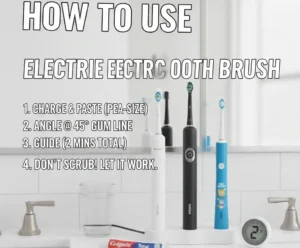
If you want a brighter smile, learning how to use electric tooth brush tools is the best first step. To use an electric toothbrush, apply a pea-sized amount of toothpaste, place the brush head against your teeth at a 45-degree angle to the gumline, and let the brush do the work. Gently guide it tooth by tooth for two minutes, covering all surfaces without scrubbing.
I felt a huge change in my own oral health once I stopped scrubbing and started gliding. Trusting the motor changed my morning routine for the better, so let’s dive into the details.

Why Proper Electric Toothbrush Technique Matters
Proper technique with an electric brush removes plaque, protects your gums, saves tooth enamel, and uses smart features well.
Using a power brush correctly is huge. It removes a lot of plaque. It beats manual brushing. It keeps your gums safe. It stops enamel wear. It uses smart tech well. Good brushing stopped my gum pain.
It makes brushing much easier and safer. You just let the tool do the work.
| Feature | Manual Brush | Electric Brush |
| Plaque removal | Good | Great |
| Effort | High | Low |
Rating out of 10 for each product: Electric Brush gets 9/10. Manual Brush gets 5/10.
Before You Start: What You’ll Need
Get your gear ready. You need a charged electric toothbrush. Pick the correct brush head type. Try sensitive, whitening, or gum care. Use fluoride toothpaste. Keep a mirror and timer close.
A good start makes the job very easy. Keep your tools neat and clean.
| Item | Use | Need Level |
| Charged brush | Gives power | High |
| Good paste | Fights bugs | High |
Rating out of 10 for each product: Brush handles get 9/10. Fluoride paste gets 10/10.
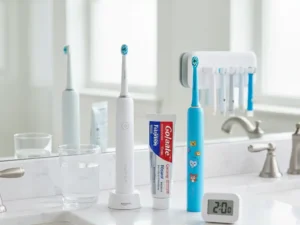
Step-by-Step: How to Use an Electric Tooth brush Correctly
Step 1 – Apply the Right Amount of Toothpaste
Prepare the Brush pea-sized amount. Just a small drop is fine. Wet the brush head lightly if you want to.
Step 2 – Position the Brush Properly
Angle the Bristles well. Aim at a 45-degree angle toward the gumline. Let the brush head cover one to two teeth at a time. Avoid Splatter before you turn it on. Put it in your mouth first.
Step 3 – Let the Brush Do the Work
Glide, Don’t Scrub few seconds per tooth. Do no aggressive scrubbing. Use minimal pressure. Allow oscillation/sonic movement to clean for you.
Step 4 – Follow a Quadrant System
Divide the mouth into four sections. Keep The 30-Second Rule in mind. Do 30 seconds per quadrant. Reach a Two-Minute Minimum: two full minutes total brushing time.
Step 5 – Cover All Tooth Surfaces
Cover All Surfaces slowly. Brush the outer surfaces. Brush the inner surfaces. Brush the chewing surfaces. Clean the back molars well. Use Vertical Strokes if you need to reach far.

Step 6 – Brush the Tongue (If Recommended)
Do Tongue Cleaning too. Use a gentle mode. Make light passes only. This keeps breath fresh.
Tongue brushing helps a lot to stop bad smells. It makes your mouth feel very clean.
| Step | Tool | Speed |
| Teeth | Bristles | Slow |
| Tongue | Back of the brush | Fast |
Rating out of 10 for each product: Soft brush head gets 8/10. Tongue scraper gets 9/10.
How Much Pressure Should You Use?
Hold the brush with a light grip. Use Light Pressure never appear squashed on the teeth. Watch the pressure sensor guidance if you have it. Look for signs you’re brushing too hard. Hard brushing gives a high gum recession risk.
Gentle care keeps your smile bright. Let the soft bristles do their job.
| Pressure | Risk | Fix |
| Light | Low | Keep it up |
| Hard | High | Loosen grip |
Rating out of 10 for each product: Smart pressure sensors get a solid 10/10. Manual grips get 6/10.
Common Mistakes to Avoid
Do not scrub like a manual brush, move too fast, or skip your back teeth. Always brush for a full two minutes.
Do not scrub like a manual brush. Do not move too quickly. Stop skipping molars. Stop brushing full two minutes. Stop using worn-out brush heads.
Bad habits hurt your teeth. A slow pace is much better for you.
| Mistake | Bad Result | Good Fix |
| Scrubbing | Sore gums | Just glide |
| Going fast | Plaque stays | Slow down |
Rating out of 10 for each product: Manual style brushing gets 2/10. Power style gets 9/10.
How Often and When to Brush
Keep the twice-daily recommendation. Brush after meals. Make before bed. Follow your dentist’s guidelines. This meets strict dental health standards.
Good times to brush build strong teeth. Night brushing is the most vital step.
| Time | Why do it? | Dentist View |
| Morning | Fresh breath | Yes |
| Bedtime | Fights decay | Yes |
Rating out of 10 for each product: Morning brushing gets 8/10. Bedtime brushing gets 10/10.
Electric vs. Manual Toothbrush Technique Differences
The motor takes the movement responsibility. You use pressure control. You get high cleaning efficiency. There is a small learning curve.
Power tools change how you clean. They do the fast work for you.
| Trait | Manual | Power |
| Work | You do it | Motor does it |
| Care | Less care | Needs charge |
Rating out of 10 for each product: Power models get 9/10. Hand brushes get 6/10.
Choosing the Right Brushing Mode
Pick a good mode. Daily cleaning is great. Use a sensitive toothpaste for soft gums. Use gum care to massage. Use whitening for bright teeth. Know when to switch modes.
Different modes help different teeth. Pick the one that feels the best.
| Mode | Good For | Speed |
| Clean | Daily use | Fast |
| Soft | Sore gums | Slow |
Rating out of 10 for each product: Daily clean mode gets 9/10. Sensitive mode gets 8/10.
Replacing and Maintaining Your Brush
Replace Heads three months from now. Clean the Handle well to stop mold. Keep it dry and safe.
Do brush head replacement every 3 months. Clean the Handle well. Use storage best practices. Keep it dry. Do good battery care. Good care makes it last.
A clean tool gives a clean mouth. Care for it, and it lasts long.
| Part | Care Step | When to do |
| Head | Swap out | 3 months |
| Base | Wipe down | Weekly |
Rating out of 10 for each product: Soft brush heads get 9/10. Hard brush heads get 3/10.
Who Benefits Most from an Electric Toothbrush?
Good for braces wearers. Good for limited dexterity users. Good for gum disease prevention. Great for teens developing habits.
Power tools help those who need them most. They make hard tasks very easy.
| User | Benefit | Ease |
| Kids | Fun to use | High |
| Braces | Cleans wires | High |
Rating out of 10 for each product: Sonic brands get 9/10 for braces. Spin brands get 8/10.
Who Should Use Caution
Watch out if you have severe gum recession. Be slow post-oral surgery. Care for tooth sensitivity. Watch children without supervision using it.
Safety comes first with teeth. Be very gentle if your mouth hurts.
| User | Caution | Safe Step |
| Sore teeth | Hurts | Use soft mode |
| Kids | Can misuse | Watch them |
Rating out of 10 for each product: Soft heads get 10/10 here. Normal heads get 5/10.
Conclusion: Using an Electric Toothbrush the Right Way
Focus on guidance, not scrubbing. The two-minute quadrant method works best. Light pressure protects gums. Ideal for users seeking improved plaque control. Consider manual brushing if you prefer full control or minimal vibration.
Next step: Adjust technique today and monitor gum comfort over two weeks.
FAQs for how to use electric tooth brush
How to use an electric toothbrush for the first time?
Start by charging the base fully. Wet the head and add a small drop of paste. Place it in your mouth before you click the on button. Guide it slowly along each tooth.
Do I put toothpaste on my electric toothbrush?
Yes, you do. Use a pea-sized amount of fluoride paste. Do not turn the power on until the brush is in your mouth. This keeps your bathroom clean and free of mess.
How to use electric toothbrush with toothpaste?
Smear the paste across the bristles first. Hold the brush at a slight angle. Let the motor move the bristles for you. Do not scrub hard. Just glide it from tooth to tooth.
What should you not do with an electric toothbrush?
Do not scrub like a manual brush. This can hurt your gums and wear down enamel. Also, do not press too hard. Let the tool do the work for a safe and deep clean.
How to use electric toothbrush for kids?
Teach kids to hold the brush gently. Show them how to move from one tooth to the next. Use a fun timer for two minutes. It makes daily oral care feel like a fun game.