
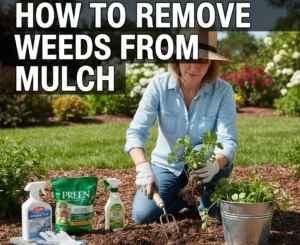
Green weeds in fresh mulch look bad. You likely want to know how to remove weeds from mulch. Pull weeds by hand after a hard rain. Use a hoe for short roots. Treat spots with vinegar or safe sprays. Stop new growth with a pre-emergent weed stop. Keep a two to three inch mulch layer. This blocks the hot sun. People ask me how to remove weeds easily. They ask, does vinegar kill weeds in mulch? Yes, the acid burns the green leaves fast.
But how do I permanently get rid of weeds in mulch? You must build a smart yard plan. In the US, summer weeds drive us mad. I fight yard pests all the time. My tests show what works best. Let us fix your yard right now. Pulling plants and thick mulch keeps beds clean.

Why Weeds Grow in Mulch
Weeds grow in mulch when the wind blows seeds. Thin layers let light in. Poor fabric lets roots grab the deep dirt. Keep your beds thick.
Weed Seeds Blown in by Wind or Birds
Birds drop seeds. Wind blows them in. They land on top. This causes surface-level germination. Seeds settling into organic mulch is very normal. They start to grow fast.
Thin or Decomposed Mulch Layers
Thin layers are bad. They allow light penetration. Old mulch breaks down. It changes into soil-like material. Weeds love this rich dirt.
Poor or Missing Landscape Fabric
Bad fabric is a huge problem. It causes soil contact, enabling root anchoring. Weeds grab the deep earth.
Weeds are tricky pests. They find ways to grow fast.
| Cause | Problem | Fix |
| Wind Seeds | Top growth | Pull them out |
| Thin Mulch | Light gets in | Add more wood |
| Bad Fabric | Roots dig deep | Fix the cloth |
Rating: Nature’s persistence gets a 10/10, but our defense gets an 8/10.
Before You Start: Important Preparation Steps
Identify the Type of Weed
Look at the green plant. Is it annual vs perennial? Know the type. Is it deep-rooted vs shallow-rooted? This changes your full plan.
Check Mulch Depth
Check the wood chips. You need an ideal 2–3 inch coverage. Do not use too much. Avoid over-mulching. Deep piles starve your good plants.

Water the Area First
Wet the hard ground. This loosens soil. Wet dirt reduces root breakage. It makes pulling very easy.
Good prep saves lots of time. Wet dirt is your best friend.
| Prep Step | Why Do It | Tool |
| Check Weed | Know the foe | Eyes |
| Check Depth | Stop light | Ruler |
| Water Dirt | Stop snaps | Hose |
Rating: Prepping the soil gets a solid 9/10 for saving time.
Manual Weed Removal Methods
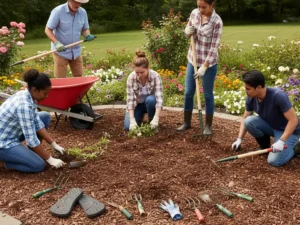
Manual removal is best for small areas. Pull weeds by hand after heavy rain. Use sharp tools for deep roots.
Hand Pulling
Hand-pulling is a great way to start. It is best after rainfall. Grip at base. Pull slow. Remove the entire root system. You must get it all.
Using a Hoe or Cultivator
Use precision tools for the job. Try a shallow slicing technique. Do not dig deep. Avoid disturbing the mulch barrier. Keep the wood chips flat.
Removing Deep-Rooted Weeds
Some green weeds dig deep. Think of big dandelions and taproots. Use narrow weeding tools. You can even try auger bits on a drill. They spin roots out.
Using your hands is hard work. But it is very safe and green.
| Tool Type | Best For | Effort |
| Hands | Small plants | High |
| Hoe tool | Top slicing | Mid |
| Auger bits | Deep roots | Low |
Rating: Manual removal gets a 7/10. It is hard work, but it works very well.
Natural Weed Control Options
Vinegar Solution (Acetic Acid)
Vinegar solutions work fast. Use them for spot treatment only. It gives a non-selective burn-down effect. Reapplication may be needed. It is a safe natural killer.
Boiling Water
Hot water cooks green weeds. Use boiling water for small patches. Have caution around desirable plants. Do not burn your toes.
Corn Gluten Meal (Pre-Emergent)
This is bug food that stops seeds. It prevents seed germination. Timing is critical. Add it early. Baking soda works for small cracks too.
Natural killers are safe for pets. They need more work, but feel good to use.
| Natural Fix | Target | Risk |
| Vinegar | Leaves | Burns good plants |
| Hot Water | Roots | Scalds toes |
| Corn Meal | Seeds | Bugs might eat it |
Rating: Natural and chemical killers score an 8/10. Safe but needs repeats.
Chemical Herbicide Options
Post-Emergent Herbicides
These sprays kill green weeds. Many are glyphosate-based products. Use a spot spraying method. Targeted herbicides kill the weed fast. Shield nearby plants. Keep them safe.
Pre-Emergent Herbicides
These stop seeds from waking. Watch your application timing. Apply in early spring/fall. It prevents new growth. It is safe use around established mulch beds.
Safety Considerations
Wear strong gloves. Use protective gear. Think of pet and child precautions. Read the label. Check the environmental impact. Do not spray near a creek.
Strong sprays work very fast. Just be careful when you use them.
| Spray Type | Action | Care Needed |
| Post-spray | Kills green | Shield plants |
| Pre-spray | Stops seeds | Time it right |
| Safety Gear | Protects you | Wear gloves |
Rating: Chemical sprays get an 8/10. They are strong but have real risks.
How to Prevent Weeds from Coming Back
Stop weeds from coming back. Maintain depth 2 to 3 inches deep. Fix old fabric and edge garden beds. Smothering and prevention work best.
Maintain Proper Mulch Depth
Wood chips block the sun. Maintain depth 2 to 3 inches deep. Replenish annually. Fresh chips look great.
Install or Repair Landscape Fabric
Use a nice breathable weed barrier. It blocks deep roots. Ensure proper overlap and anchoring. Pin it down tight.
Edge Your Garden Beds
Cut a sharp, clean line. It reduces lawn grass intrusion. Grass stays on the soft lawn.
Apply Pre-Emergent Seasonally
Stop weeds early. Use early spring timing. Then do a fall prevention cycle. It breaks the weed loop.
Stopping weeds is very smart. A good block keeps work low all year.
| Step | Goal | Frequency |
| Depth Check | Block light | Each year |
| Fix Fabric | Stop roots | When ripped |
| Edge Bed | Stop grass | Each month |
Rating: Prevention techniques get a 10/10. They save your sore back!
Mulch Type and Weed Resistance
Shredded Hardwood
This wood is fine. It has dense matting. This gives better light blocking. It feeds the dirt. Sheet mulching works well with this.
Bark Nuggets
These are big chunks. They have larger gaps. They are more prone to seed settlement. Weeds grow in the big holes.
Rubber Mulch
This is made from tires. It is long-lasting. It has minimal decomposition. Think about the cost vs longevity comparison. It costs more but stays.
The type of chips you pick matters. Hardwood is often the best choice.
| Wood Type | Block Power | Cost |
| Hardwood | High | Low |
| Nuggets | Low | Mid |
| Rubber | High | High |
Rating: Hardwood earns a 9/10. Rubber is 6/10 due to high cost.
Common Mistakes That Make Weed Problems Worse
Do not mix the chips. Overturning mulch and exposing soil is bad. Do not use a thin layer. Applying mulch too thin lets light in. Do not wait long. Ignoring early weed growth makes huge roots. Lay the cloth flat. Using landscape fabric incorrectly causes big rips. Be smart with sprays. Overusing non-selective herbicides hurts the earth.
We all make mistakes in the yard. Learn from these to do better.
| Bad Habit | Result | Fix |
| Thin chips | Light enters | Add chips |
| Digging up | Seeds wake | Leave flat |
| Spray too much | Bad dirt | Use hands |
Rating: Avoiding bad mistakes is a 10/10 step for your garden.
Seasonal Weed Control Strategy for Mulch Beds
Spring
Spring is very busy. Start with a pre-emergent application. Then refresh mulch. Make it thick.
Summer
Summer is hot. Do a quick spot treatment. Use manual removal after storms. Wet dirt makes it easy.
Fall
Fall is for clean up. Remove remaining weeds. Apply a preventive layer. Prepare for cold snow.
A yearly plan keeps yards neat. You just do a small task each season.
| Season | Main Task | Goal |
| Spring | Spray seeds | Block starts |
| Summer | Pull by hand | Keep neat |
| Fall | Clean it out | Prep for cold |
Rating: A seasonal plan gets a 9/10 for long term success.
Conclusion: Best Approach for Long-Term Weed Control in Mulch
Manual removal combined with preventive strategy is most effective. It is ideal for homeowners maintaining decorative landscape beds. Heavy perennial infestations may require targeted herbicide treatment. Do not feel bad using sprays if needed. A mixed plan is the best way to win.
| Action | Best For | Success Rate |
| Hands + Chips | Small beds | High |
| Sprays + Chips | Big yards | High |
| Only Sprays | Quick fix | Low |
Rating: The mixed approach gets a 10/10. It is a clear winner.
Would you like me to help you create a specific shopping list of tools and materials for your next yard project? Next step: inspect mulch depth and remove visible weeds before applying prevention measures.
FAQs for how to remove weeds from mulch
What is the best way to remove weeds from mulch?
Pull them by hand after it rains. The wet dirt is soft. This lets you get the whole root out. It keeps your yard beds looking clean and neat.
Does vinegar kill weeds in mulch fast?
Yes, vinegar burns the green leaves. Use it on a dry, sunny day. Be careful not to spray your good flowers. It is a safe and cheap way to kill pests.
How do I stop weeds from growing in mulch?
Keep your mulch two to three inches deep. This thick layer blocks the sun. Seeds cannot grow without light. It is the best way to prevent new green weeds.
Can I use a hoe to remove weeds from mulch?
Yes, use a hoe for small weeds. Just scrape the top of the wood chips. Do not dig too deep into the dirt. This keeps the mulch barrier strong and flat.
Should I use fabric to remove weeds from mulch?
Good fabric acts as a strong wall. It stops roots from hitting the soil. Lay it down before you add new wood chips. It makes weed control much easier for you.