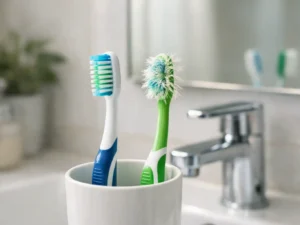
Ever looked at your toothbrush and thought, “It still looks okay”? I used to think the same. But How Often to Replace Toothbrush is simple: every 3 to 4 months, or sooner if the bristles wear out. From my own routine, I noticed my teeth felt cleaner once I started switching on time. Dentists, including the American Dental Association, back this rule because worn brushes just don’t clean well.
If you want better oral health with little effort, make this one small habit—set a reminder and replace your toothbrush on time.
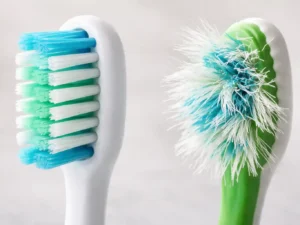
How Often to Replace Toothbrush (Simple, Honest Guide)
If you’ve ever wondered how often to replace a toothbrush, the short answer is simple: every 3 to 4 months—or sooner if it looks worn. That’s the sweet spot most dentists agree on, including guidance from the American Dental Association.
I used to stretch mine way too long. It looked fine. But once I learned how fast bristles wear down, I realized I wasn’t really cleaning my teeth anymore—just going through the motion.
Let’s break it down in a clear, real-life way.
Standard Replacement Timeline for Toothbrush Use
Replace your toothbrush every 3–4 months for best cleaning and gum safety.
Most people don’t think about timing. But yes—3 to 4 months is the standard window. That’s because daily brushing slowly bends and weakens the bristles.
Even if your brush looks okay, the truth is simple: after 3 months, it stops cleaning well.
Quick Guide
| Usage Type | Replace After | Why It Matters |
|---|---|---|
| Normal brushing | 3–4 months | Bristles lose shape |
| Heavy brushing | 2–3 months | Faster wear and damage |
| Electric heads | 3 months | Same wear pattern as manual |
Summary
Think of your toothbrush like a sponge. It wears out slowly. After 3–4 months, it won’t clean your teeth well anymore.
Ratings
Manual Toothbrush: 8/10
Electric Brush Head: 9/10
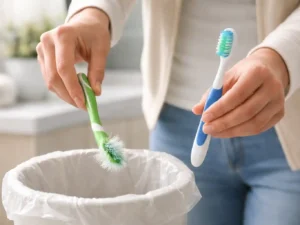
Signs Your Toothbrush Needs Replacement Sooner
Replace sooner if bristles fray, smell, or hurt your gums.
Sometimes, your toothbrush gives clear warning signs. You just need to notice them.
I’ve had brushes that looked like they went through a storm—those should have been replaced weeks earlier.
Warning Signs
| Sign | What It Means |
|---|---|
| Frayed bristles | Poor cleaning power |
| Soft, bent bristles | Can’t remove plaque well |
| Bad smell | Bacteria buildup |
| Gum irritation | Too rough or worn |
Summary
If your brush looks messy or feels rough, don’t wait. Replace it right away to protect your gums and teeth.
Ratings
Worn Manual Brush: 4/10
Fresh Brush: 10/10
Why Toothbrush Replacement Matters for Oral Health
Old toothbrushes clean less and can increase the risk of cavities and gum disease.
A worn toothbrush doesn’t just clean less—it can harm your mouth.
The simple truth: old brushes leave plaque behind, and that can lead to problems like gingivitis.
Impact Breakdown
| Issue | Result |
|---|---|
| Weak bristles | Missed plaque |
| Bacteria buildup | Higher infection risk |
| Rough edges | Gum damage |
Summary
Using an old brush is like washing dishes with a dirty sponge. It spreads more than it cleans.
Ratings
New Brush Health Impact: 10/10
Old Brush Risk Level: 3/10
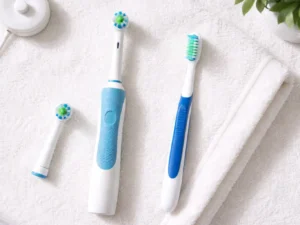
Manual vs Electric Toothbrush Replacement Differences
Electric brush heads need replacing every 3 months, the same as manual brushes.
Many people think electric brushes last longer. Not exactly.
The handle lasts, but the brush head wears out just like a manual brush.
Comparison Table
| Feature | Manual Brush | Electric Brush |
|---|---|---|
| Replacement part | Whole brush | Brush head only |
| Timeline | 3–4 months | 3 months |
| Cost over time | Lower upfront | Higher long-term |
Summary
Electric brushes are great. But you still need to replace the head every 3 months.
Ratings
Manual Brush Value: 8/10
Electric Brush Performance: 9/10
Replacement Frequency for Different Users
Not everyone uses a toothbrush the same way. So yes—some people need to replace theirs faster.
Kids, for example, destroy brushes quickly (I’ve seen it firsthand).
User-Based Guide
| User Type | Replace After |
|---|---|
| Children | 1–3 months |
| Braces wearers | 1–2 months |
| Heavy brushers | 2–3 months |
| Travelers | After trips |
Summary
Your habits matter. The harder or more often you brush, the sooner you should replace it.
Ratings
Kids’ Brushes: 7/10
Orthodontic Brushes: 9/10
Toothbrush Care Habits That Affect Lifespan
Good care can help your toothbrush last longer—but not forever.
The key idea: clean and dry brushes last longer but still need replacement.
Care Tips
| Habit | Effect |
|---|---|
| Rinse after use | Removes debris |
| Air dry upright | Stops bacteria growth |
| Closed containers | Traps moisture |
Summary
Take care of your brush, but remember: no care replaces the 3–4 month rule.
Ratings
Well-Maintained Brush: 9/10
Poorly Stored Brush: 5/10
Real-World Usage Patterns That Shorten Lifespan
Let’s be honest—most of us don’t brush perfectly.
And yes, real habits can wear out a brush faster than expected.
Common Habits
| Habit | Impact |
|---|---|
| Hard brushing | Faster bristle damage |
| Brushing 3+ times/day | Shorter lifespan |
| Abrasive toothpaste | Wears bristles faster |
Summary
If you brush hard or often, your toothbrush may only last 2–3 months.
Ratings
Gentle Use: 9/10
Aggressive Use: 6/10
Hygiene Risks of Using an Old Toothbrush
Old toothbrushes can carry bacteria and reduce cleaning effectiveness.
Old brushes are not just less effective—they can be risky.
Simple truth: bacteria build up over time, even if you rinse well.
Risk Table
| Risk | Outcome |
|---|---|
| Bacteria growth | Bad breath, illness |
| Hidden wear | Poor cleaning |
| Reinfection | After sickness |
Summary
Using an old brush is like reusing a dirty towel. It can bring germs back into your mouth.
Ratings
Fresh Brush Safety: 10/10
Old Brush Risk: 3/10
Cost vs Hygiene Trade-Off in Toothbrush Replacement
Many people delay replacing brushes to save money.
But honestly, a toothbrush is one of the cheapest health tools you own.
Cost Comparison
| Option | Cost Impact | Health Impact |
|---|---|---|
| Replace on time | Low cost | High benefit |
| Delay replacement | Saves little | Higher risk |
Summary
Skipping replacement saves a tiny amount. But it can cost your oral health.
Ratings
Timely Replacement Value: 10/10
Delayed Replacement: 4/10
Common Mistakes People Make with Toothbrush Replacement
I’ve made a few of these myself—and they’re easy to fix.
The key idea: most mistakes come from waiting too long.
Mistakes List
| Mistake | Problem |
|---|---|
| Waiting for damage | Too late already |
| Not replacing after illness | Germ risk |
| Shareholders | Cross-contamination |
Summary
Don’t wait for your brush to look terrible. Replace it on time and after illness.
Ratings
Good Habits: 9/10
Common Mistakes: 5/10
Storage and Maintenance Practices to Extend Safe Use
Good storage keeps your brush safer between uses.
But remember: storage helps but doesn’t replace regular replacement.
Storage Guide
| Method | Result |
|---|---|
| Air drying | Best option |
| Closed case | Moisture buildup |
| Separate holders | Less contamination |
Summary
Keep your brush clean and dry. But still, replace it every 3–4 months, no matter what.
Ratings
Proper Storage: 9/10
Poor Storage: 5/10
Final Thoughts
So, how often should you replace a toothbrush? Every 3 to 4 months, or sooner if it shows wear or after illness.
It’s a small habit. But it makes a big difference.
Think of it like this: Your toothbrush is your first line of defense. Don’t let it become the weak link.
FAQs for How Often to Replace Toothbrush
How Often to Replace Toothbrush for best results?
You should replace your toothbrush every 3 to 4 months. This keeps cleaning strong and protects your gums. If the bristles look worn earlier, change them sooner for better results.
How do I know if my toothbrush needs replacing sooner?
Check the bristles. If they look bent, flat, or messy, it’s time to replace them. A worn brush cleans less and may hurt your gums during brushing.
Should I replace my toothbrush after being sick?
Yes, you should replace your toothbrush after illness. Germs can stay on the bristles. Using a fresh brush helps lower the chance of getting sick again.
Do electric toothbrush heads need the same replacement timing?
Yes, electric toothbrush heads should be replaced every 3 months. They wear down just like manual brushes and lose cleaning power over time.
Can I use a toothbrush longer than 4 months?
You can, but it’s not a good idea. Old brushes clean poorly and hold more bacteria. Replacing them on time helps keep your teeth clean and your mouth healthy.
Read more Article:

The Afforio Team is made up of real experts with hands-on experience in Home & Kitchen, Smart Devices, Wellness & Care, and Gardening. We test every product ourselves and share honest, easy-to-understand reviews. Learn more on our About Us page or see how we test in The Lab.