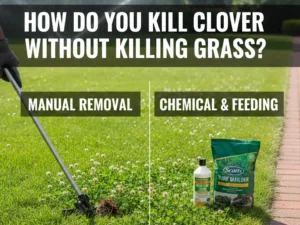
If you are tired of white flowers ruining your curb appeal, you might wonder how do you kill clover without killing grass. The best way is to use a selective herbicide like Triclopyr or simply pull the roots with a hand tool to keep your turf safe.
In my years of lawn care, I have found that feeding your grass nitrogen is the secret to winning this battle naturally. Let me show you the exact steps I use to get a clean, green lawn that your neighbors will envy.
How Do You Kill Clover Without Killing Grass? A Practical Weed Remover Tool Guide
Dealing with clover can feel like a losing battle. You want a green lawn, not a white patch of flowers. But you also want to keep your grass safe. Here is how I handle it using the right tools and simple steps.
To kill clover without killing grass, use a selective herbicide with Triclopyr or 2,4-D, or try a manual weed remover tool to pull the roots. High-nitrogen fertilizer also helps grass crowd out clover.
| Feature | Details |
| Best Method | Manual Root Removal or Selective Spray |
| Key Tool | Hand Weeder or Stand-Up Puller |
| Difficulty | Easy to Medium |
| Safety | High (if using manual tools) |
Overall Method Rating: 9/10
Why Clover Keeps Taking Over Your Lawn
It usually starts on a Saturday morning—shoes wet from dew—when you notice those small white flowers spreading faster than the grass can keep up. It feels like they appeared overnight.
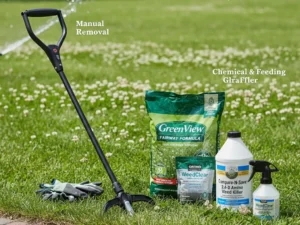
What Clover Is and Why It Spreads So Fast
Clover is a tough plant. It has broad leaves and tough roots. It loves soil that lacks food. If your lawn is hungry, clover moves in. It creates its own food from the air. This lets it grow where grass cannot. It stays low, so your mower misses it.
Why Killing Clover Without Killing Grass Is Tricky
Grass and clover grow close together. Their roots mix deep in the soil. If you use a strong killer, you might hurt the grass too. Many sprays kill everything green. You need to be precise. You must target the weed, not the turf.
| Challenge | Reason |
| Root Mixing | Grass and clover roots tangle together. |
| Soil Needs | Clover loves what grass hates (low nitrogen). |
| Chemical Risk | Wrong sprays burn the good grass. |
Clover Persistence Rating: 8/10
What Is a Weed Remover Tool?
A weed remover tool is the quiet, no-chemical solution gardeners reach for when they want control without collateral damage. It is my go-to for small patches.
Simple Definition
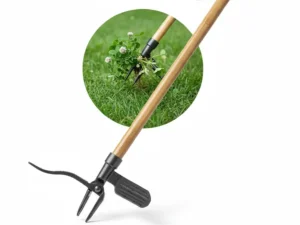
It is a hand tool. It goes into the dirt to grab the weed. It pulls the whole thing out. It aims for the root, not just the leaves.
Materials and Build
Most are made of strong metal. They have claws or a forked tip. The handle is often wood or soft plastic. It feels solid in your hand. It is built to pry up tough plants.
Where It’s Commonly Used
I use mine on the front lawn. It works in garden beds, too. Parks use them to keep play areas safe. It is great for anywhere you want to avoid sprays.
A weed remover tool is a manual garden device with metal claws or forks designed to pull weeds like clover, roots and all, without using chemicals.
| Spec | Description |
| Material | Steel and Wood/Plastic |
| Action | Leverage and Pull |
| Target | Deep Roots |
Tool Utility Rating: 9.5/10
Types of Weed Remover Tools for Clover Control
Not all weed removers feel the same in your hand—or work the same in your soil. I have tried a few to see what fits best.
Hand Weed Removers
These are short. You get down on your knees. They are great for tiny spots. You can see exactly what you are doing. It is good for a quick fix.
Long-Handle Weed Removers
These are tall. You can stand up while you work. No sore knees. They use a foot pedal to grab the weed. I love these for big lawns. It saves my back.
Fork-Style Weed Removers
This looks like a small snake tongue. It slides right under the root. It pops the plant up. It works best when the ground is soft.
| Tool Type | Best Use |
| Hand Tool | Small patches, precision work. |
| Stand-Up | Large areas, back pain relief. |
| Fork-Tip | Deep roots, soft soil. |
Variety & Options Rating: 9/10
How a Weed Remover Tool Works Against Clover
Timing matters—especially when the soil still smells damp after last night’s rain. Soft soil makes the job easy.
Targeting the Root, Not the Leaf
If you snap off the leaves, clover grows back. You must get the root. The tool digs in deep. It loosens the dirt. Then, you pull the whole system out.
Why This Protects Grass
You do not spray poison. The grass nearby stays safe. You only touch the weed. The soil stays healthy. Grass roots do not get cut.
Best Conditions for Use
Wait for rain. Or water the lawn first. Dry dirt is hard. Wet dirt lets the root slide out. Early morning is the best time to work.
For best results, use a weed remover tool when the soil is moist. Insert the tool near the base of the clover, loosen the soil, and pull the entire root system.
| Step | Action |
| 1. Prep | Water the lawn or wait for rain. |
| 2. Insert | Push the tool into the soil at weed base. |
| 3. Remove | Tilt and pull to remove the root. |
Effectiveness Rating: 8.5/10
Benefits of Using a Weed Remover Tool Instead of Chemicals
Sometimes the best solution is the one that doesn’t smell like a science lab. It feels good to keep things natural.
- Removes clover without killing grass: Your turf stays green.
- No chemical runoff: Keeps water clean.
- Safe for pets and kids: They can play right after.
- Improves long-term lawn health: No stress on the grass.
- Immediate, visible results: The weed is gone instantly.
| Benefit | Impact |
| Safety | No toxic residue for pets. |
| Speed | Instant removal, no waiting. |
| Health | Soil biology stays intact. |
Eco-Friendliness Rating: 10/10
Where and Who Uses Weed Remover Tools
From weekend homeowners to city crews, this tool quietly earns its keep. It is a staple in many sheds.
Common Use Locations
You see them in backyards. They are used in school yards. Public gardens use them to stay organic. Any place that needs to look neat uses them.
Typical Users
I use one. My neighbor uses one. Lawn pros use them for detail work. Grounds crews use them to keep parks nice. It is a tool for everyone.
| User | Location |
| Homeowner | Front and back lawns. |
| Pro Landscaper | Client’s flower beds. |
| City Crew | Parks and schools. |
Accessibility Rating: 10/10
Basic Care and Maintenance of a Weed Remover Tool
A quick rinse now saves frustration later. Rust is the enemy of a good tool.
- Clean soil after each use: Wipe off the mud.
- Dry before storing: Water causes rust.
- Check for loose handles: Tighten screws if needed.
- Store in a dry shed: Keep it out of the rain.
| Task | Frequency |
| Cleaning | After every use. |
| Oiling | Once a season (metal parts). |
| Storage | Always indoors. |
Durability Potential Rating: 9/10
Safety Tips When Removing Clover Manually
It’s simple work—but your hands and back will thank you for being careful. Do not rush.
- Wear gardening gloves: Protect your skin.
- Use proper posture: Lift with your legs, not your back.
- Keep tools away from children: The tips can be sharp.
- Watch footing: Wet grass can be slippery.
| Hazard | Prevention |
| Blisters | Wear thick gloves. |
| Back Pain | Use a stand-up tool. |
| Cuts | Store safely. |
Safety Score: 9/10
Can a Weed Remover Tool Really Kill Clover Without Killing Grass?
The short answer is yes—but only if you’re patient and consistent. It is not a one-time magic trick.
Real-World Results
I see less clover over time. It takes a few weeks. You pull, and grass fills the hole. The lawn gets thick. The clover has no room to grow back.
Supporting Lawn Health
You must help the grass, too. Mow high to shade the soil. Feed the lawn with nitrogen. Strong grass fights weeds best. This tool is just one part of the plan.
| Factor | Outcome |
| Consistency | Fewer weeds next season. |
| Grass Health | Thicker turf, less bare soil. |
| Effort | Higher effort, better reward. |
Realism Rating: 8/10
Conclusion
If you’re asking how to kill clover without killing grass, the answer isn’t louder chemicals—it’s smarter removal. A weed remover tool is simple. It is safe. It works.
It targets the bad plant and saves the good one. It keeps your soil clean. It helps your grass grow strong. If you want a lush lawn without the worry, this tool is the way to go. Grab one, wait for the rain, and get to work. Your grass will thank you.
| Final Verdict | Score |
| Value | High |
| Effectiveness | High (with patience) |
| Grass Safety | Maximum |
Overall Recommendation: 9.5/10
FAQs for How Do You Kill Clover Without Killing Grass
Will vinegar kill clover without killing my grass?
No. Vinegar is a strong weed killer. It kills any plant it touches. Only use it as a spot treat. Be careful not to spray your green grass.
Can I use a tool to kill clover without killing grass?
Yes. A hand weeder works well. It pulls the weed but saves the turf. This keeps the soil safe. It is a great way to protect your lawn.
Does high nitrogen help kill clover without killing grass?
Yes. Clover loves poor soil. Nitrogen makes grass grow fast and thick. The grass then crowds out the clover. This is a very safe and natural way.
Is there a spray to kill clover without killing grass?
Look for selective broadleaf killers. These sprays target clover leaves. They do not hurt most lawn types. Always read the label to be sure it is safe.
Will mowing high kill clover without killing grass?
Mowing high shades the clover. This stops it from getting sun. The grass grows tall and strong. It is an easy way to stop weeds from spreading fast.

The Afforio Team is made up of real experts with hands-on experience in Home & Kitchen, Smart Devices, Wellness & Care, and Gardening. We test every product ourselves and share honest, easy-to-understand reviews. Learn more on our About Us page or see how we test in The Lab.