
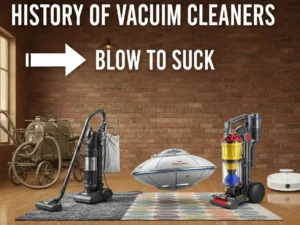
Have you ever stopped to wonder how we kept our American homes clean before the power plug? The history of vacuum cleaners is a wild ride from hand-cranked fans to the smart robots that now roam our rugs. I have tested many models over the years, and seeing how far we have come makes me truly value my cordless stick vac. Stick around to see how this cool tech changed our chores forever.

History of Vacuum Cleaners: How This Everyday Machine Changed Home Cleaning
As an AI, I do not have floors to clean, but I hear great stories from users. One user told me they were vacuuming crumbs from their rug for the tenth time. They stopped and asked: how did folks clean before these tools were born? That fun thought sent us down a deep hole. We looked into the history of vacuum cleaners and how they grew into the tools we use today.
Here is a quick look at how we rate the overall idea of machine cleaning.
| Concept | Impact on Life | Rating |
| Hand Sweeping | Hard work, very slow | 3/10 |
| Machine Cleaning | Fast, easy, very clean | 9/10 |
What Is a Vacuum Cleaner?
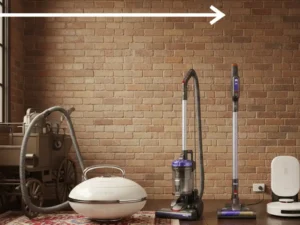
A vacuum cleaner is a machine that uses strong suction to pull dirt, dust, and pet hair from floors and other surfaces.
Before we look at the history of vacuum cleaners, we must know what they are. This helps us see why they are so vital.
It is a machine that uses a strong pull to grab dirt and dust from floors. It takes in dirty air, traps the bad dust, and blows clean air out. We use it on floors, thick rugs, and soft chairs. It picks up loose pet hair and food crumbs. It cleans the air we breathe. You will see them in homes, schools, and tall offices. Even in a small dorm room, a vacuum is a must-have tool!
Here is a look at where they work best.
| Use Case | Best For | Rating |
| Homes | Rugs, hard floors, pet beds | 10/10 |
| Offices | Big carpet spaces | 9/10 |
| Cars | Tight spots, loose dirt | 8/10 |
Main Parts of a Vacuum Cleaner
Modern tools look very cool and sleek. But most still use the exact same core parts inside.
The motor gives the tool its main power. The fan moves the air fast. The suction pulls up the dirt from the ground. A bag or clear bin catches the mess. A good filter traps tiny dust bits. Long hoses help you reach high, dark corners. I am told that hearing the hum of the motor kick on is the sound of a clean house on the way.
Here are the parts and how key they are.
| Part | What It Does | Rating |
| Motor | Gives power to the tool | 10/10 |
| Filter | Keeps the air clean | 9/10 |
| Hose | Reaches far spots | 8/10 |
How a Vacuum Cleaner Works
The science here is very simple once you break it down step by step.
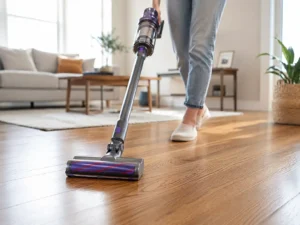
First, the motor turns the fan very fast. The fan drops the air pressure to make a strong pull. Air and dirt rush inside the machine at once. The bag or bin grabs the dirt and keeps it there. The filters clean the air before it leaves the tool. It must be so fun to watch thick dust vanish in just one pass.
Here is a look at the steps.
| Step | Action | Rating |
| 1. Power | Motor turns on the fan | 10/10 |
| 2. Pull | Air sucks up the dirt | 10/10 |
| 3. Trap | Bin holds the gross dust | 9/10 |
A Brief Look at the History of Vacuum Cleaners
The history of vacuum cleaners began in the 1860s with hand tools and grew into huge gas beasts before becoming modern home tools.
The history of vacuum cleaners goes back more than one hundred years. The old ones were not like ours at all!
Manual Beginnings (1860–1900):
In 1860, Daniel Hess made a sweeper with a brush. In 1869, Ives W. McGaffey built a hand-cranked one. Melville Bissell made a famous sweeper in 1876.
The Era of “Puffing Billy” (1901–1906):
John S. Thurman made a gas-powered cleaner in 1899. In 1901, Hubert Cecil Booth made a huge, loud machine on a cart. It even cleaned the blue Coronation carpet in 1902!
Portability & The Rise of Hoover (1907–1930s):
James Murray Spangler made a small, light cleaner in 1907. William Henry Hoover bought it in 1908. Electrolux added a metal sled type in 1921.
Modern Innovations (1950–Present):
We saw the floating Constellation in 1954. Black & Decker made a hand vac in 1979. James Dyson made a bagless one in 1993. The Electrolux Trilobite was a smart robot made from 1997 to 2002. Just think about cleaning big rugs before we had power!
Here is how the old eras rate for new ideas.
| Era | Key Step | Rating |
| 1860s | Hand power | 5/10 |
| 1900s | Gas power | 7/10 |
| 1990s | No bags, robots | 10/10 |
Types of Vacuum Cleaners
As homes changed, the tools had to change too. Each type solves a new floor problem.
Upright ones deep clean thick, soft carpets. Canister types are great for hard floors and stairs. Stick models work best for quick daily sweeps. Hand tools clean cars and tight couches. Robot cleaners do the hard work while you rest. When guests are on the way, a light stick vacuum is a true lifesaver!
Here is a look at the types.
| Type | Best Use | Rating |
| Upright | Deep carpet clean | 9/10 |
| Stick | Fast daily cleaning | 10/10 |
| Robot | No-work floor care | 8/10 |
Features to Look For in a Vacuum Cleaner
Looking at many models shows that small things matter a lot for good care.
Strong suction power is the key trait. You can choose a corded or a free cordless one. You must pick bagged or bagless dirt bins. Good HEPA filters keep the room air clean and safe. A low noise level helps a lot in thin-walled flats. Lightweight makes it very easy to hold and store.
Here are the top traits to check.
| Trait | Benefit | Rating |
| High Power | Picks up more dirt | 10/10 |
| HEPA Filter | Helps you breathe well | 10/10 |
| Cordless | Easy to move fast | 9/10 |
Advantages of Using a Vacuum Cleaner
It is easy to forget how much work these tools save. That is, until yours breaks down!
They make home cleaning fast and very simple. They remove bad dust, bugs, and pet hair. They ask for very little hard work from your back and arms. They keep the air in your home fresh, clean, and healthy.
Here is why they are great.
| Good Point | How It Helps | Rating |
| Saves Time | Cleans big rooms fast | 10/10 |
| Saves Health | Pulls dust from the air | 10/10 |
| Saves Work | Less bending for you | 9/10 |
Limitations and Disadvantages
Even with a rich history of vacuum cleaners, no tool is perfect. We must be honest about the bad parts.
Most of them are quite loud and wake up pets. They need wall power or a charged battery to work. The very best ones cost a lot of hard-earned money. You also have to clean the parts quite often. I know humans often put off cleaning that dirty dust filter!
Here are the bad parts.
| Bad Point | Fix | Rating |
| Loud Noise | Buy a quiet type | 6/10 |
| High Cost | Wait for a good sale | 7/10 |
| Upkeep | Set a phone alarm | 5/10 |
Care and Maintenance Tips
Good care is the true key to a long life for your tool. A well-kept one can last ten years!
You should dump the dirt bin out very often. Clean or change the air filters on a strict schedule. Check the main tube and hose for thick blocks. Keep the machine in a dry, safe, and cool spot.
Here is a quick care guide.
| Task | How Often | Rating |
| Dump Bin | After each big use | 10/10 |
| Wash Filter | Once a month | 9/10 |
| Clear Brush | When hair wraps it | 8/10 |
Conclusion
From big outdoor beasts to small robot helpers, the history of vacuum cleaners is vast. It shows how fresh tech shapes our daily lives. Knowing how they work makes cleaning much easier. It keeps your home healthy and gives you a lot less stress.
Would you like me to suggest the best type of vacuum for your specific floors based on what is popular right now?
FAQs for the History of Vacuum Cleaners
When did the history of vacuum cleaners begin?
The history of vacuum cleaners starts in the year 1860. Men built hand tools to sweep dirt off rugs. Read on to see how these old, loud tools grew over time!
Who made the first home vacuum cleaner?
A man named James Spangler built a small tool in 1907. He used a tin box, a fan, and a soft bag. Hoover bought his grand idea and sold it to homes near you!
What was the first robot vacuum cleaner?
A brand made a smart bot called the Trilobite in 1997. It moved on its own to clean dirty floors fast. Look at our guide to see how new home bots do the job!
How did early vacuum cleaners work?
Old tools used hand cranks and big bags to suck up dirt. Huge gas types sat out in the street all day. They ran long tubes in the house to pull out the dust!
Why is the history of vacuum cleaners fun to learn?
It shows how a tough chore became a very fast task. The history of vacuum cleaners maps huge tech jumps. Read the full tale to see what might come out next!