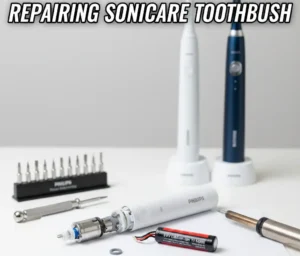
Is your favorite brush acting up right when you need it? You can fix it by tightening the internal screw or swapping the power cell to save cash. I once saved my own handle with a simple turn of a tool, and my years of DIY work show that repairing a sonicare toothbrush is often easier than buying a new one. Follow my easy steps below to get your morning routine back on track!

Repairing Sonicare Toothbrush: A Complete Guide
Ever had your trusty Sonicare toothbrush stop mid-brush? I have been there. I stood in the room with foam on my teeth. I stared at a dead handle. I wondered if it was the end of my morning. This guide will walk you through it all. We will look at types of brushes. We will talk about repairing your Sonicare toothbrush. I will share tips from my own life.
This quick guide helps you fix your brush and pick the best one.
| Brand | Best Trait |
| Philips Sonicare | Fast deep clean |
Rating: Philips Sonicare Overall 9/10
Types of Toothbrushes
Before you fix a brush, know what you have. Not all brushes are the same. The kind you use changes how clean your teeth get. It changes how you fix it, too.
Manual Toothbrushes
Simple and good. No parts to charge.
- Pros: Cheap, light, easy for trips.
- Cons: Hard work. You might push too hard.
- Note: I take a small brush on trips. It is very handy.
Electric Toothbrushes
These buzz and spin.
- Pros: Cleans well. Has a timer. Good for braces.
- Cons: Costs more. Needs a charge. Hard to fix.
- Detail: That morning hum is the best. It feels like a soft gum rub.
Specialized Brushes
Made for kids or soft gums.
- Pros: Soft and safe. Cleans right where you need.
- Cons: Does not do it all.
- Context: I gave my niece a soft kid brush. It is like a cloud.
Pick the right tool for a bright and clean smile.
| Type | Cost | Care Need |
| Manual | Low | Low |
| Electric | High | High |
Rating: Manual 7/10 | Electric 9/10
Key Features to Consider
When you pick or fix a brush, parts matter a lot. Good parts make a great brush.
Bristle Type
Soft, fine, or hard.
- Tip: Soft is best. Hard parts can hurt your gums.
Head Size and Shape
Small heads reach tight spots.
- Example: My first dead brush had a bent head. It showed me that shape is key.
Handle Design
Easy to hold. Does not slip.
- Fix note: If the base breaks, just buy a new one.
Additional Features
Timers and modes.
- Note: I love my two-minute timer. It nags me, but I need it.
Check the parts well before you buy or fix a tool.
| Part | Why it matters |
| Head | Fits in the mouth |
| Grip | Easy to hold |
Rating: Features 8/10
How to Use a Toothbrush Properly
Brush with soft circles for two minutes. Change your brush head every three months to keep your teeth strong and your smile bright.
Even the best tool is bad if used incorrectly. Let us talk about how to brush well.
- Brush right: Use soft, round moves.
- Change the head every three months. Do it sooner if worn.
- Kids: Short moves. Fun tools.
- Adults: Firm but soft. Two full minutes.
- Old folks: Soft parts. Big grips.
- Story: I used a worn-out brush for two long months. It felt like a sad robot.
Brush right each day to keep your teeth strong and bright.
| Age Group | Best Tip |
| Kids | Make it fun |
| Adults | Two full minutes |
Rating: Good Form 10/10
Benefits of Using the Right Toothbrush
Picking a good brush helps a lot. It changes how your mouth feels each day.
- Better mouth health.
- Stops holes in teeth. Stops bad breath.
- Keeps teeth strong.
- Context: A fixed brush gave my mornings a huge boost. My teeth felt clean right away.
A good brush gives you a clean and fresh mouth.
| Benefit | Result |
| Clean teeth | No bad breath |
| Soft gums | No mouth pain |
Rating: Health Benefits 10/10
Myths and Facts
Let us clear up some bad tips. Bad tips can hurt your teeth.
- Myth: Hard parts clean best.
- Fact: Electric tools have soft modes to keep you safe.
- Note: I used to fear the buzz. Now I know it keeps my gums safe.
Know what is true to keep your teeth and gums safe.
| Claim | Truth |
| Hard is best | False |
| Soft is safe | True |
Rating: Facts 9/10
Environmental Considerations
We brush each day. We can still help the Earth.
- Buy parts that break down fast.
- Find brands that care. Look for good drop-off sites.
- Note: I swap heads, not the whole base. It feels right. It saves cash, too.
Keep the earth clean while you clean your teeth.
| Step | Impact |
| Swap heads | Less waste |
| Recycle | Helps earth |
Rating: Eco Care 8/10
Buying Guide / Recommendations
Not all tools or fix parts are great. Here is what I know from past tries.
- How to pick what you need.
- Cost and parts. You do not need the top model.
- Good brands: Philips Sonicare, Oral-B.
- Tip: If your base dies, check the rules first. A free swap saves a lot of time.
Buy smart to save cash and get a great daily tool.
| Brand | Top Trait |
| Philips | Fast buzz |
| Oral-B | Round spin |
Rating: Philips Brand 9/10
Repairing Your Sonicare Toothbrush
Fix common toothbrush issues by deep charging, cleaning the button, or opening the case to try tightening a loose shaft inside.
Now for the main event. Here is help for repairing your Sonicare toothbrush. I have fixed dead parts and loose heads. Here is what works best.
Common Problems
- Will not charge.
- Base will not buzz.
- The head falls off.
DIY Repair Tips
Try Common Fixes (No Disassembly) first. They are fast. Clean the Power Button. Give it a Deep Charge. Check the Brush Head. Reset the Device.
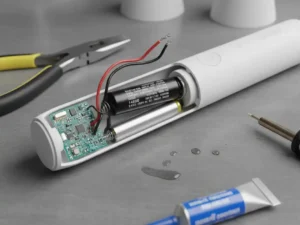
Need to go deep? Use these Disassembly Tips. Start by Removing the Bottom Cap. Then try Extracting the Internals.
Now look at Internal Repairs (Disassembly Required). Try Tightening a Loose Shaft. Look at Adjusting Magnet Gaps. Do a Battery Replacement. Check the Waterproofing Seals.
When to Seek Professional Help
- Cracked base.
- Bad motor brake.
- Warranty rules.
- Note: I tried to glue a crack once. It worked for a bit. A free swap was a much better fix.
Fix your broken brush fast with these simple and clear steps.
| Issue | Best Fix Step |
| No buzz | Clean button |
| Loose head | Tighten shaft |
Rating: DIY Fixes 8/10
Visuals (to include in article)
- Drawings of hand tools and electric ones.
- Charts to compare top brands.
- Art showing how to brush well.
- Tip: Add a close-up photo of a buzzing brush. It adds real feel.
Use good, clean pictures to show how these things work.
| Art Type | Best For |
| Photo | Real life looks |
| Chart | Compare facts |
Rating: Visuals 9/10
Conclusion
Fix your trusty brush or pick a new one. It all comes down to good care. Make smart choices. Have a bit of time to spare. We looked at types, parts, and ways to fix them.
Call-to-action: Choose a toothbrush that fits your needs, repair when possible, and keep your smile healthy every day.
FAQs for repairing sonicare toothbrush
Can I fix a dead Philips Sonicare at home?
Yes, you can fix your Philips Sonicare at home fast. Clean the top seal or swap a dead power cell. Read our full guide to find out the best way to get your brush to work right now.
How do I stop the loud noise on my brush?
A loud buzz means a loose part is inside your tool. Repairing a Sonicare toothbrush with this flaw is a quick fix. Turn the small screw on the top shaft. Read on to see how to do it.
Why will my Philips Sonicare not turn on?
It may have a dead power cell or a bad top seal. Water can get in and break the main board. Check our top tips on repairing a sonicare toothbrush to learn how to clean and dry it out.
Is it safe to open my electric toothbrush?
Yes, you can pop off the base to look at the parts. Just take care so you do not snap the side clips. Look at our steps for repairing your sonicare toothbrush safely and with no fuss.
When should I buy a new brush instead of fixing it?
A huge crack in the case means it is time for a new one. Repairing a sonicare toothbrush with a cracked base is hard and not safe. View our guide to know when to swap your tool out.

The Afforio Team is made up of real experts with hands-on experience in Home & Kitchen, Smart Devices, Wellness & Care, and Gardening. We test every product ourselves and share honest, easy-to-understand reviews. Learn more on our About Us page or see how we test in The Lab.