
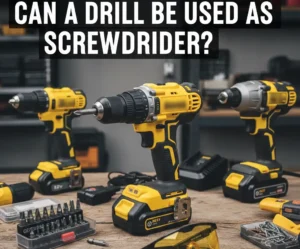
Tired of turning screws by hand until your wrist aches? You will be glad to know that can a drill be used as a screwdriver is a “yes” for almost every homeowner. In my years of fixing up old houses, I have found that a cordless drill is my best friend for speed. Just grab a bit, set your tool right, and you can finish a job in half the time.
This guide helps you master your drill to save time on every home project.

Can You Use a Drill as a Screwdriver?
A quick, practical answer before we dive deeper — because most people just want to know if it works.
Yes, you can use a drill as a screwdriver. Most cordless drills work great for this. Just use a screwdriver bit, adjust the clutch, and go slow.
Short Answer
Yes, most drills can drive screws. You just need the right bit.
Many new drills are made for two jobs. They drill holes. They also drive screws.
When It Works Best
- Furniture assembly: Putting together a new bed or desk.
- Installing shelves: Putting up brackets on the wall.
- Light home repairs: Fixing a loose cabinet door.
- DIY projects: Building simple wood crafts.
When It’s NOT Ideal
- Precision electronics: Do not use it on a laptop or phone.
- Very delicate materials: Thin plastic might crack.
- Heavy structural fastening: An impact driver works better here.
Real-Life Example
I remember putting up kitchen cabinets last year. It was late. My hands hurt. Turning screws by hand felt endless. I grabbed my drill. I set it to low speed. The job was done in ten minutes.
It feels good when the tool does the hard work. You hear a soft click when the screw is tight. That is the sound of success.
Using a drill for screws saves time and saves your wrists from pain.
| Scenario | Suitability | Note |
| IKEA Furniture | High | Set the clutch low. |
| Drywall | High | Go slow. |
| Computers | Low | Too strong. |
Rating: 9/10 (For general home use)
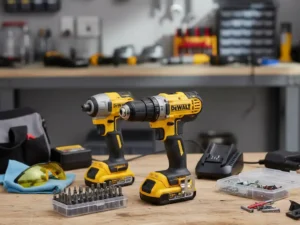
Types of Drill Machines
Not all drills behave the same. Choosing the right type makes screw driving easier — or frustrating.
Corded Drill
This drill plugs into the wall. It is very strong. It stays fast. It often lacks a clutch. This makes it hard to drive screws safely. You might strip the screw head.
Cordless Drill (Most Recommended for Screws)
This uses a battery. It is easy to move. Most have a clutch ring. This lets you control the power. It is the best tool for the job.
The cordless drill is the best choice for driving screws. It has adjustable torque and is easy to hold.
Hammer Drill
This drill punches while it spins. It is made for concrete or brick. It is too rough for wood screws. Turn off the hammer mode if you use it.
Impact Driver / Impact Drill
This tool is loud. It hits the screw to turn it. It has huge power. It is great for long screws in thick wood. It is not good for delicate jobs.
Rotary Hammer
This is a big, heavy tool. It is for stone and masonry. Do not use this for screws. It is far too strong.
Bench Drill / Drill Press
This tool sits on a table. It moves up and down. It drills straight holes. It does not drive screws well.

Mini Drill / Rotary Tool
This is for tiny crafts. It can handle very small screws. It is too weak for furniture or walls.
Different drills have different jobs, so pick the one that fits your task.
| Drill Type | Best For | Screw Suitability |
| Corded Drill | Heavy Drilling | Low |
| Cordless Drill | General Use | High |
| Impact Driver | Long Screws | High |
| Hammer Drill | Concrete | Low |
Rating: 10/10 (For the Cordless Drill specifically)
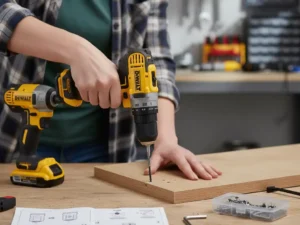
Main Parts of a Drill Machine
Understanding the parts helps you control the tool better — and avoid stripping screws.
Core Components
- Chuck: The black part at the front. It holds the bit.
- Trigger: The button you press to go.
- Motor: The engine inside.
- Gear selector: The switch on top for speed (1 or 2).
- Forward/reverse switch: Changes spin direction.
- Speed control: How fast it spins.
- Handle/grip: Where you hold it.
- Battery pack: The power source.
Why Each Part Matters for Screw Driving
The clutch is key. It stops the drill when the screw is tight. This saves your wood. The trigger lets you go slow. Select a low speed for better control. The reverse switch helps you take screws out.

Optional Visual
Imagine a diagram here. It points to the numbered ring near the front. That is your clutch.
Knowing your tool helps you do a better job and keeps you safe.
| Part | Function | Benefit |
| Clutch | Limits force | Prevents damage |
| Trigger | Controls speed | Precision |
| Chuck | Holds bit | Versatility |
Rating: 10/10 (Importance of knowing these parts)
Key Features to Consider
If your goal is to use a drill as a screwdriver, certain features matter more than raw power.
Torque Settings (Most Important)
Torque is a turning force. A clutch ring lets you adjust this. Low numbers are gentle. High numbers are strong. Adjust the clutch to match your screw size.
Torque settings control how hard the drill turns. Use low settings for small screws to avoid damage.
Speed (RPM)
Speed is how fast it spins. Select low speed (usually gear 1) for screws. High speed is for drilling holes. Slow and steady wins here.
Power (Volts or Watts)
For home use, 12V or 18V is good. You do not need massive power for most screws.
Battery Capacity (Ah)
A bigger battery lasts longer. But it adds weight. For quick fixes, a small battery is fine.
Chuck Size
Most chucks fit all driver bits. A keyless chuck is easiest to use.
Weight and Ergonomics
A heavy drill tires your arm. A light grip feels better. Comfort matters if you have many screws to drive.
Safety Features
A brake stops the spin fast. This helps you not drive the screw too deeply.
Focus on control and comfort, not just how strong the drill is.
| Feature | Importance | Tip |
| Torque Ring | Critical | Start low |
| Low Speed | High | Use Gear 1 |
| Weight | Medium | Go light |
Rating: 9/10 (Importance of these specific features)
How a Drill Machine Works
A simple mechanical explanation builds trust and confidence for beginners.
Step-by-Step Operation
- Electricity moves from the battery to the motor.
- The motor spins fast.
- Gears slow it down but add power.
- The chuck turns the bit.
- The clutch stops it if the resistance is too high.
Why Drills Can Drive Screws
It is all about rotation. A manual screwdriver turns. A drill turns too. The drill just does it faster. When you apply steady pressure, the bit stays in the screw.
It is simple physics that saves you a lot of manual labor.
| Step | Action | Result |
| 1 | Press Trigger | Motor spins |
| 2 | Gears Turn | Torque builds |
| 3 | Bit Rotates | Screw moves |
Rating: 8/10 (Simplicity of the mechanism)
Common Uses and Applications
This is where readers connect the tool to real life — the “oh, I need this” moment.
Household Uses
- Putting together flat-pack furniture.
- Hanging curtain rods.
- Putting in wall anchors for pictures.
Professional Uses
- Carpenters use them for frames.
- Electricians attach boxes to studs.
- Metalworkers use special screws for metal sheets.
DIY Projects
- Building a raised garden bed.
- Making custom shelves.
- Fixing a broken fence gate.
Personal Context Example
I once had to fix a door hinge right before guests arrived. Using a manual screwdriver would take too long. I grabbed the drill. I used a screwdriver bit. Zip, zip. Done. I felt relieved.
From simple repairs to big builds, a drill makes the work flow smoothly.
| Use Case | Frequency | Skill Level |
| Furniture | High | Beginner |
| Hanging Art | Medium | Beginner |
| Decking | Low | Advanced |
Rating: 10/10 (Usefulness in daily life)
Safety Tips When Using a Drill as a Screwdriver
Safety builds trust and authority — and prevents painful mistakes.
Essential Safety Practices
- Wear safety glasses. Eyes are precious.
- Use a screwdriver bit that fits well.
- Clamp down your wood.
- Stand firm on your feet.
- Keep loose hair and shirts away.
- Take out the battery before changing bits.
Common Beginner Mistakes
- Going too fast. The bit slips out.
- Pushing too hard. The screw goes too deep.
- Holding the screw with fingers while drilling. Ouch.
Always wear safety glasses. Start with a low torque setting to stay safe and protect your work.
Stay alert and go slow to keep your fingers and your project safe.
| Tip | Why? | Priority |
| Glasses | Eye safety | High |
| Secure Work | No spinning | High |
| Right Bit | No slipping | High |
Rating: 10/10 (Importance of Safety)
Maintenance and Care
A well-maintained drill performs better and lasts longer.
Routine Care
Wipe off dust after use. Check if the chuck is sticky. Look at the cord or battery. Keep it clean.
Battery Care Tips
Do not drain the battery to zero every time. Keep it in a cool place. Heat kills batteries.
Storage Advice
Keep it dry. A case is best. Moisture causes rust. Rust ruins tools.
Take care of your tools, and they will take care of your projects.
| Task | Frequency | Benefit |
| Clean Dust | After use | Long life |
| Charge | As needed | Readiness |
| Box It | Always | Protection |
Rating: 8/10 (Ease of maintenance)
Advantages and Disadvantages of Using a Drill as a Screwdriver
Balanced information improves credibility and reader trust.
Advantages
- Fast: It saves so much time.
- Easy: Less sweat and muscle pain.
- Smart: You can set the force.
- Versatile: Drills holes and drives screws.
Disadvantages
- Power: You can crack wood if not careful.
- Weight: It is heavier than a hand tool.
- Learning: You must learn to set the clutch.
There are pros and cons, but the speed usually makes it worth it.
| Feature | Pro | Con |
| Speed | Very Fast | Can strip screw |
| Effort | Low | Heavy tool |
| Control | Adjustable | Needs practice |
Rating: 9/10 (Overall effectiveness)
Buying Guide — Choosing the Right Drill for Screw Driving
Helpful for readers who are considering a purchase.
What Beginners Should Look For
Get a Cordless vs. Corded? Go cordless. Look for an adjustable clutch. Pick one that feels light. A 12V or 18V model is perfect.
Budget Considerations
- Entry level: Good for rare use.
- Mid-range: Best for homeowners.
- Pro tools: Cost more, last longer.
When to Choose an Impact Driver Instead
If you build a deck, get an impact driver. It handles long screws better. For cabinets, stick to a standard drill.
Buy the best tool you can afford, but keep it simple for home use.
| User Type | Recommendation | Voltage |
| Newbie | Basic Cordless | 12V |
| Homeowner | Mid-Range | 18V |
| Builder | Impact Driver | 18V+ |
Rating: 9/10 (Value of good advice)
Conclusion
Drills are versatile tools that can function as screwdrivers effectively.
Choosing the right type and settings makes a big difference. With a little practice, you can save time and effort on every project. Safe handling and maintenance ensure long-term performance.
FAQs for Can a Drill Be Used as a Screwdriver
Can a drill be used as a screwdriver for all tasks?
Yes, you can use a drill for most home tasks. Just use a screwdriver bit and adjust the clutch. Avoid it for tiny electronics or very soft items.
How do I stop a drill from stripping screws?
To stop stripping, select low speed on your drill. Turn the clutch ring to a low number. This lets the drill slip when the screw is tight.
Do I need a special bit to drive screws with a drill?
Yes, you must use a screwdriver bit. These bits fit into the drill chuck. They match the head of your screw, like Phillips or flat heads.
Is a cordless drill better than a corded one for screws?
A cordless drill is best for screws. It is light and easy to move. Most have a clutch to control power. This helps you avoid any wood damage.
What is the best speed setting for driving screws?
Always select low speed, which is gear one. High speed is for drilling holes. Low speed gives you more torque and much better control as you work.