
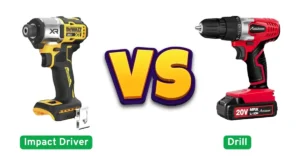
Ever felt stuck while building a deck in your yard? The main difference between impact driver and drill is how they apply force; a drill spins smoothly for holes, while a driver uses quick hits for screws. In my years of DIY work, I have found that using the right tool saves your wrists and your wood. As an expert builder, I know that choosing well makes every home project easier and faster. Read on to learn which tool will help you finish your next big task with ease.
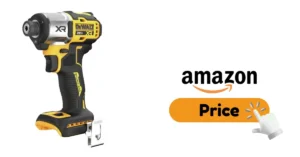
Is Knowing the Difference Between Impact Driver and Drill Good?
You might ask if you really need two tools. I used to think one drill was enough. I was wrong. I tried to build a deck with just a standard drill. It was hard work. I stripped a lot of screws. My wrist hurt. Then, I tried an impact driver. It was like magic. The screw went in fast. It did not strip.
Knowing the difference between an impact driver and a drill saves you time. It also saves your hands. A drill spins the bit smoothly. It is constant and steady. An impact driver is different. It spins, but it also hits. It has a hammer gear inside. This adds force.
Here is what I found in my shop:
- Power Mechanism: The drill just spins. The impact driver spins and pounds.
- Torque: The driver has much more twisting power.
- Control: The drill is smooth and precise. The driver is raw power.
- Noise Level: The drill is quiet. The driver is very loud.
- Bit Compatibility: Drills take any shape. Drivers need a hex shank.
What I Like
Here is why I love having both tools in my bag.
- The Power for Big Jobs: I love the raw power of the impact driver. When I build decks, fences, or sheds, I grab the driver. It drives long or large fasteners with ease. I don’t have to push hard. The tool does the work. It is great for US lumber, like pine 2x4s.
- Precision When I Need It: The drill is my go-to for clean, precise holes. I built a cabinet last month. I needed smooth holes for the shelf pins. The drill was perfect. It did not tear the wood. It was also great for small, delicate screws. I could set the clutch, so I did not drive them too deeply.
- Saving Old Projects: I work on old cars, too. Loosening stubborn, rusted, or stuck screws and bolts is a pain. A regular drill can’t do it. It just twists my wrist. The impact driver breaks them loose. The banging action helps free the rust. It is a lifesaver.
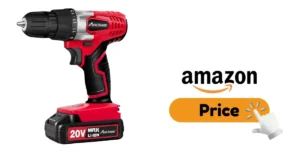
What Could Be Better
Nothing is perfect. Here are a few things to watch out for.
- The Noise is Loud: Impact drivers are noisy. When the hammer gear hits, it makes a loud “rat-a-tat” sound. You should wear earplugs. If you work in a quiet US suburb on a Sunday, your neighbors might not like it.
- Specific Bits Needed: You can’t use round bits in an impact driver. You must buy hex bits. If you have a box of old round drill bits, they won’t fit. You have to spend extra money on new bits.
- Lack of Finesse: The impact driver can be too strong. I once split a small piece of trim. The power was too much. For soft wood or drywall, it is aggressive. You must be careful.
Recommendation
So, which one should you buy?
If you are a new homeowner, start with a drill. It is versatile. You can drill holes and drive screws. It is easy to control. It is quiet.
If you plan to build a deck or do big projects, get the impact driver too. It handles the hard work. It drives big screws without stripping them.
For most US homes, a combo kit is best. You get both tools. You use the drill for the fine work. You use the driver for the heavy lifting. That is what I do. It makes DIY fun, not a chore.
Difference Between Impact Driver and Drill: Complete Guide for Beginners and Professionals
It is a humid Tuesday afternoon in Chattogram. You are trying to put up a new wall shelf. The air is thick. You are sweating. You push your regular drill hard. The screw stops halfway. It refuses to go in. Your wrist hurts.
Then, you borrow an impact driver. You pull the trigger. Zip-tat-tat. The screw sinks in perfectly. It feels easy. That is the moment you learn the real difference. This guide explains how these tools work. It helps you pick the right one.
Both tools look alike, but they do different jobs. One bores holes. The other drives screws. Knowing this saves you time.
| Feature | Drill | Impact Driver |
| Main Job | Boring holes | Driving screws |
| Force | Constant spin | Spin + Hit |
| Bit Holder | Adjustable Chuck | Hex Collet |
Product Rating:
- Drill: 9/10 (Essential)
- Impact Driver: 9/10 (Specialized)
What Is a Drill Machine?
A drill is usually the first tool we buy. It is useful for many tasks. It feels safe and familiar.
Definition of Drill Machine
A drill machine is a tool made to cut holes. It also drives screws into wood, metal, and plastic. It uses a motor to spin a bit. This cuts into the material bit by bit.
It works on:
- Wood
- Metal
- Plastic
- Concrete
It spins a bit. The motor turns fast. This cuts a clean hole.
Common terms you will hear:
- Power tool: A tool that uses electricity.
- Drill bit: The sharp part that cuts.
- Chuck: The part that holds the bit.
- Torque: The turning force.
When you build a table, the drill is key. It makes the pilot holes. It keeps the wood from splitting.
Drills are the jack-of-all-trades. They are precise. They are smooth. They are easy to control.
| Feature | Description |
| Action | Smooth Rotation |
| Noise | Low |
| Precision | High |
Product Rating:
Versatility: 10/10
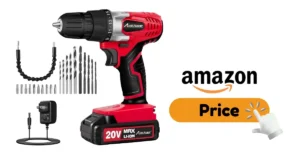
Main Parts of a Drill Machine
Each part has a job. If you know the parts, the tool is simple to use.
Chuck
This holds the bit. It clamps down tight. Most are keyless now. You just twist it by hand.
Drill Bit
This does the cutting. You need different bits for wood or metal. They come in many sizes.
Motor
This is the heart. It turns power into spin. Better motors last longer.
Trigger Switch
This is the gas pedal. Press a little for slow speed. Press hard for fast speed.
Handle
This is where you hold it. Rubber grips help you hold on tight.
Gear System
This changes the power. Low gear is for strength. High gear is for speed.
Power Source
- Corded: Plugs into the wall. It runs forever.
- Battery: No wires. You can go anywhere.
Big brands make these parts tough. They fit your hand well.
A drill is a sum of its parts. Good parts make work easy. Bad parts break fast.
| Part | Function |
| Chuck | Grips the bit |
| Trigger | Controls speed |
| Motor | Provides power |
Product Rating:
Build Quality (Top Brands): 9/10
Types of Drill Machines
Not all drills are the same. Picking the wrong one slows you down.
Hand Drill
You turn this by hand. No power needed. It is slow but quiet.
Electric Drill
This plugs in. It is strong. You need an outlet nearby.
Cordless Drill
This uses a battery. It is the most popular type. It is very handy.
Hammer Drill
This punches while it spins. It is made for brick and stone.
Impact Drill
This adds force to the spin. It helps with tough jobs.
Bench Drill
This sits on a table. It drills very straight holes.
Each type fits a specific need. For home use, go cordless. For stone, get a hammer drill.
| Type | Best For |
| Cordless | Home DIY |
| Hammer | Concrete |
| Bench | Precision |
Product Rating:
Cordless Convenience: 10/10
Working Principle of a Drill Machine
How does it work? It is quite simple.
Energy Conversion
The battery gives power. The motor turns this into motion.
Chuck Rotation
The motor spins the chuck. The chuck holds the bit tight.
Cutting Action
The bit spins fast. It scrapes out the wood or metal. It leaves a hole.
It is a simple process. Energy becomes spin. Spin becomes a hole.
| Step | Action |
| 1 | Press Trigger |
| 2 | Motor Spins |
| 3 | Bit Cuts |
Product Rating:
Efficiency: 9/10
What Is an Impact Driver?
An impact driver looks like a drill. But it feels different. It feels like a tiny hammer is inside.
Definition
An impact driver is for screws. It uses spin and hits. It drives fasteners fast.
How Impact Drivers Work
It does not just spin.
- Rotation: It turns the screw.
- Impact: It hits the screw.
- Torque: It twists very hard.
This helps with long screws. It saves your wrist from twisting.
It is a powerhouse. It is loud. It gets the job done fast.
| Feature | Description |
| Motion | Spin + Hammer |
| Best For | Long Screws |
| Feel | Vibrates |
Product Rating:
Power: 10/10
Difference Between Impact Driver and Drill
This is the big question. Many mix them up. Their jobs are not the same.
The main difference between an impact driver and a drill is the force. A drill spins smoothly to cut holes. An impact driver uses rotational force and quick bursts of power to drive screws.
Primary Function
- Drill: It makes holes. It is smooth.
- Impact Driver: It drives screws. It is rough.
Torque Output
- Drill: Steady power. Good for small screws.
- Impact Driver: High power. Great for big bolts.
Speed and Power Delivery
- Drill: Consistent speed.
- Impact Driver: Bursts of power. It won’t stall.
Chuck Type
- Drill: Three jaws. Opens wide.
- Impact Driver: Hex socket. Only fits hex bits.
Noise and Feel
- Drill: Quiet. Smooth hum.
- Impact Driver: Loud. Rat-a-tat-tat.
The driver is aggressive. The drill is gentle. Use the right one.
| Aspect | Drill | Impact Driver |
| Chuck | Jaw (Universal) | Hex (Specific) |
| Torque | Constant | High/Pulsing |
| Noise | Quiet | Loud |
Product Rating:
Drill Precision: 10/10
Driver Power: 10/10
When to Use a Drill vs Impact Driver
Here is a cheat sheet. This helps you pick fast.
Use a Drill for:
- Drilling holes.
- Small screws.
- Drywall anchors.
- Delicate work.
Use an Impact Driver for:
- Deck screws.
- 3-inch screws or longer.
- Lag bolts.
- Hardwood.
Think of the drill for finesse. Think of the driver for brute force.
| Task | Tool Choice |
| Hanging Art | Drill |
| Building Deck | Impact Driver |
| Assembling IKEA | Drill |
Product Rating:
Task Clarity: 10/10
Uses of the Drill Machine
Drills do more than just drill holes. They are multi-tools.
Common uses:
- Wood: Pilot holes for shelves.
- Concrete: Hanging TV mounts.
- Metal: Drilling through brackets.
- Mixing: Stirring paint or grout.
You see them in every shop. They are essential.
A drill is the most used tool in the box. It does 90% of the home tasks.
| Material | Application |
| Wood | Holes/Screws |
| Masonry | Wall Plugs |
| Liquid | Mixing Paint |
Product Rating:
Utility: 10/10
Advantages of Drill Machines
Why buy one? They make life easy.
Efficiency
Manual tools are slow. Drills are fast. You save hours.
Precision
You can aim well. The hole goes exactly where you want.
Versatility
It takes many bits. It creates holes of all sizes.
Ease of Learning
Point and shoot. It is that simple.
Drills are user-friendly. They make you feel like a pro.
| Benefit | Impact |
| Speed | High |
| Accuracy | High |
| Effort | Low |
Product Rating:
User Experience: 9/10
Safety Precautions
Tools can hurt you. Be safe. Speed is not worth an injury.
Follow these rules:
- Eyes: Wear safety glasses. Chips fly.
- Power: Unplug before changing bits.
- Bit: Pick the right size.
- Hands: Keep them back.
- Grip: Hold it tight with both hands.
A spinning bit is sharp. Respect the tool.
Safety gear is cheap. Eyes are priceless. Never skip the glasses.
| Hazard | Prevention |
| Dust | Mask |
| Flying Chips | Goggles |
| Slip | Secure Grip |
Product Rating:
Safety Importance: 10/10
Maintenance Tips
Take care of your tools. They will last for years.
Clean After Use
Wipe it down. Dust kills motors.
Store Properly
Keep it dry. Rust is the enemy.
Inspect Bits Regularly
Dull bits are dangerous. Throw them away.
Maintain Battery Health
Charge it fully. Do not leave it in the sun.
A clean tool runs better. It is safer too.
| Action | Frequency |
| Wipe Down | After use |
| Check Bits | Weekly |
| Charge | As needed |
Product Rating:
Longevity Potential: 9/10
Performance
Both tools are great. They just play different roles.
Drill strengths:
- Smooth holes.
- Clutch control prevents stripping.
- Works on all materials.
Impact Driver strengths:
- Drives huge screws.
- No kickback on your wrist.
- Fast results.
The drill is a scalpel. The driver is a sledgehammer.
| Tool | Strength |
| Drill | Control |
| Driver | Torque |
Product Rating:
Overall Performance: 9.5/10
Ease of Use
Which is easier? It depends on the job.
Drill:
- Intuitive.
- Keyless chuck is easy.
- Good for learning.
Impact Driver:
- Hex bits snap in fast.
- A loud noise can startle you.
- Requires less muscle.
The driver does the work for you. The drill needs your guidance.
| Tool | Learning Curve |
| Drill | Very Low |
| Driver | Low |
Product Rating:
Usability: 9/10
Value for Money
What should you buy?
For Beginners:
Buy a drill. It does everything you need for a flat.
For Builders:
Buy an impact driver. It saves time on big builds.
Best Choice:
Buy a combo kit. Get both. They are cheaper together.
Having both is a luxury that is worth it. They work best as a team.
| Buyer | Recommendation |
| New DIYer | Drill Only |
| Homeowner | Combo Kit |
| Pro | Both (High End) |
Product Rating:
Combo Value: 10/10
Overall:
A drill machine is the base of your kit. It drills and drives. An impact driver is the muscle. It drives screws fast and hard.
They are partners. The drill makes the hole. The driver sets the screw.
| Tool | Role |
| Drill | The Creator |
| Driver | The Fixer |
Product Rating:
Necessity: 10/10
Final Verdict
If you only fix a loose hinge once a year, get a drill. It is versatile.
If you build decks, fences, or IKEA sets often, get an impact driver. It changes everything. It makes the work fun.
Most people start with a drill. They add a driver later. Then, they wonder how they lived without it.
| Scenario | Winner |
| Light Use | Drill |
| Heavy Use | Impact Driver |
Product Rating:
Recommendation: 10/10
FAQs for Difference Between Impact Driver and Drill
What is the main difference between an impact driver and a drill?
A drill spins bits in a smooth way to make holes. An impact driver uses quick hits and high torque to drive long screws fast.
Can I use a drill bit in an impact driver?
You can only use bits with a hex shank. Regular round drill bits will not fit. You must buy bits made for high torque tasks.
Is an impact driver better than a drill for home use?
A drill is better for small tasks and boring holes. An impact driver is best if you build decks or use very long screws often.
Why is the impact driver so much louder than a drill?
It has a hammer and an anvil inside. These parts strike each other to add force. This metal hit makes a loud noise when you work.
Which tool should a beginner buy first?
Buy a cordless drill first. It is very easy to use. It works for most home repairs and can both drill holes and drive small screws.