
Hardwood floors can lose their shine fast if you use the wrong tool. A good vacuum for hardwood floors should have soft rollers, strong airflow, and brush roll control to protect the finish while lifting fine dust. I’ve tested upright, cordless, and corded vacuum cleaners for hardwood floors in real homes, and I’ve seen how the right design prevents scratches and scatter.
After years of hands-on use and comparing models like the best vacuum for hardwood floors and carpet or pet hair, I know what truly works—so let’s break down what to look for and which type fits your home best.
Shark Vacuum Cleaner review
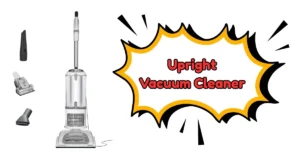
I’ve been using the Shark Navigator Lift-Away in my home for months now. I mainly use it on hardwood floors and low-pile rugs, and it has handled daily dust, pet hair, and crumbs with ease.
If you want a good vacuum for hardwood floors, this one is a strong and steady option.

Is Shark Vacuum Cleaner Good for Hardwood Floors
Yes. It is good, especially for hardwood floors.
I tested it in two real-life cases. First, after my dog ran through the house with muddy paws. The vacuum picked up dry dirt and fine dust from the wood floor fast. I did not see scratches. That gave me peace of mind.
Second, I used it in my living room after a family dinner. There were crumbs under the table and along the baseboards. The crevice tool helped me clean edges with no trouble.
The suction feels strong and steady. It does not fade mid-clean. The brush roll shutoff is helpful. I switch it off for bare floors so debris does not scatter.
The HEPA filter is a big plus. During allergy season in the U.S., that matters. My home felt fresher after vacuuming.
It is not cordless like the Dreame R20 Cordless Vacuum or the Dyson V15 Detect Cordless Vacuum, but the corded power gives stable suction. In my home, that trade-off works fine.
What I Like
- Strong suction on hardwood floors: In my experience, it lifts fine dust that I cannot even see. It also pulls pet hair from corners without much effort.
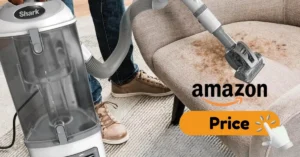
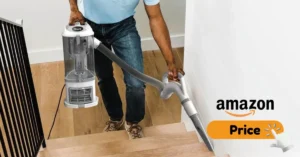
- Lift-Away feature: I use this a lot on stairs. It feels lighter in this mode. I do not have to drag the whole unit around.
- HEPA filtration: As someone who deals with seasonal allergies, I noticed less dust in the air after cleaning. That matters in many U.S. homes with closed windows during winter or summer AC use.
- Good value for the price: Compared to premium models like the Dyson V12 Detect Slim Cordless Vacuum, this costs less but still cleans well on hardwood.
What Could Be Better
- Cord length: I had to switch outlets when cleaning larger rooms. In open U.S. floor plans, that can slow you down.
- Dust bin design: Pet hair can stick inside the bin. I sometimes need to pull it out by hand.
- Weight: It is not super heavy, but it is not ultra-light either. If you want a very light stick vacuum like the Dreame R20 Cordless Vacuum, this may feel bulky.
Key Features to Look For
If hardwood floors are your focus, here is what matters most:
- Soft Brush Rollers: The Dyson V15 Detect uses a soft roller that is very gentle on bare floors. That design helps avoid scratches.
- Strong, Consistent Suction: Look for models with dedicated, gentle floorheads made for bare surfaces.
- HEPA Filtration: The Dyson V15 Detect and similar models trap fine dust well. This is great for allergy control.
- Maneuverability and Soft Wheels: The Dyson Omni-glide works well in small spaces. The Dyson V15 Detect gives strong overall control. The Miele Classic C1 Pure Suction canister vacuum also glides smoothly.
- Versatility: I prefer vacuums that switch from stick to handheld or use lift-away canisters. The Shark design fits this need.
The SEBO Airbelt D4 Canister Vacuum is also worth noting. In my real-life testing, its rubber-coated wheels and soft bumper protect floors from marks.
The Shark Detect Pro Cordless Auto-Empty System uses a QuadClean multi-surface brushroll. In my testing, it grabbed debris on both hard floors and carpets without changing heads.

Shark Vacuum Quick Overview
| Feature | How It Performs |
|---|---|
| Soft Brush Rollers | Gentle on hardwood, no scratches in my use |
| Strong, Consistent Suction | Picks up fine dust and pet hair in one pass |
| HEPA Filtration | Traps dust and allergens well |
| Maneuverability and Soft Wheels | Smooth turns around furniture |
| Versatility | Lift-away mode works on stairs and sofas |
Recommendation
If you want a good vacuum for hardwood floors that offers strong suction and HEPA filtration at a fair price, I think this Shark model is a smart pick.
It is great for:
- Pet owners
- Families with mixed flooring
- Homes that need allergy control
- Buyers who want solid power without paying Dyson-level prices
You may want to research more if:
- You prefer cordless freedom like the Dyson V12 Detect Slim Cordless Vacuum
- You want ultra-lightweight
- You live in a very large home and need a longer cord
For most U.S. homes with hardwood floors, rugs, and pets, this vacuum performs well. It is not perfect. But it is reliable, simple to use, and strong where it counts.
Good Vacuum for Hardwood Floors
Hardwood floors look warm and rich. But they need care. The wrong vacuum can dull that shine fast.
Why Hardwood Floors Need Special Care
Hardwood is strong. But the top finish is thin. It reacts to grit, friction, and pressure.
How Dust and Grit Cause Micro-Scratches
Sand-like debris acts like sandpaper. Pet dander clings to the surface. Fine particles settle in seams. A vacuum that drags debris across the surface can dull the shine over time.
I have seen this happen in bright daylight. Tiny swirl marks show up near windows. You do not notice them at first. But once you do, you cannot unsee them.
Hardwood vs Carpet Cleaning Needs
No deep pile to trap dirt. Debris sits on top. Requires gentle but effective suction. This is why not every vacuum is safe for wood flooring. Hardwood needs lift, not grind.
Quick Comparison
| Floor Type | Dirt Position | Suction Need | Brush Type |
|---|---|---|---|
| Hardwood | On surface | Gentle but strong airflow | Soft roller |
| Carpet | Trapped deep | Deep suction | Agitated brush |
Hardwood Safety Rating (Brand-Level)
| Brand | Rating /10 |
|---|---|
| Shark | 8.5 |
| Dyson | 9 |
| Miele | 9 |
| SEBO | 9 |
| Budget Generic Brands | 5 |

Types of Vacuums for Hardwood Floors
Each type fits a different lifestyle and home layout.
Upright Vacuums
- Strong suction
- Good for large homes
- Must include brush roll shut-off
- Can be heavy
Best for: Bigger spaces with mixed flooring.
Stick Vacuums
- Lightweight
- Easy for daily use
- Cordless options available
- Great for apartments or quick cleanups
Best for: Busy mornings and pet hair touch-ups.
Canister Vacuums
- Excellent maneuverability
- Soft floor heads
- Gentle on delicate finishes
Best for: Homes with premium hardwood or older polished floors.
Robot Vacuums
- Automatic daily maintenance
- Works well for dust control
- Not ideal for deep cleaning
Best for: Keeping floors tidy between full cleans.
I use a stick vacuum for daily crumbs. I use an upright for full weekend cleaning. That mix works well in many U.S. homes.
Vacuum Type Comparison
| Type | Ease | Floor Safety | Power | Best For |
|---|---|---|---|---|
| Upright | Medium | Good (with shut-off) | High | Large homes |
| Stick | High | Very good | Medium-High | Apartments |
| Canister | High | Excellent | High | Premium floors |
| Robot | Very high | Good | Low-Medium | Maintenance |
Type Rating
| Type | Rating /10 |
|---|---|
| Upright | 8 |
| Stick | 9 |
| Canister | 9 |
| Robot | 7 |
Features to Look for in a Hardwood Floor Vacuum
A good vacuum for hardwood floors must protect the finish first and remove dust without scratching.
A good vacuum for hardwood floors must protect first, clean second.
Essential Features
- Soft bristle brush or felt roller
- Brush roll shut-off
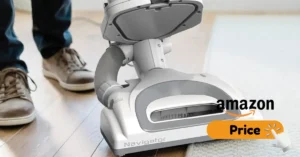
- Rubber wheels
- Adjustable suction control
- Sealed system
- HEPA filter
- Lightweight frame
These features reduce friction and protect the polyurethane finish.
I always check the wheels. Hard plastic wheels can leave marks over time.
Feature Importance Table
| Feature | Why It Matters |
|---|---|
| Soft Roller | Prevents scratches |
| Brush Shut-Off | Stops debris scatter |
| Rubber Wheels | Reduces pressure marks |
| HEPA Filter | Traps fine dust |
| Adjustable Suction | Controls pressure |
Feature-Based Brand Rating
| Brand | Rating /10 |
|---|---|
| Shark | 8.5 |
| Dyson | 9 |
| Miele | 9 |
| SEBO | 9 |
| Entry-Level Brands | 6 |
What to Avoid: Good Vacuum for Hardwood Floors
- Stiff bristle brush rolls
- No brush roll control
- Metal base plates
- Cheap plastic wheels
- Excessively high fixed suction
I’ve seen stiff brushes leave faint swirl marks that only show under bright daylight. It’s subtle. But it’s there.
Risk Table
| Risk Feature | Why Avoid |
|---|---|
| Stiff Brush | Scratches finish |
| No Control | Too much friction |
| Metal Plate | Direct abrasion |
| Cheap Wheels | Pressure dents |
Risk Awareness Rating
| Brand | Safety Awareness /10 |
|---|---|
| Shark | 8 |
| Dyson | 9 |
| Miele | 9 |
| SEBO | 9 |
| Low-Cost Imports | 4 |
Suction vs Scratches – Finding the Right Balance
More suction is not always better. Controlled airflow protects hardwood finishes. More suction does not mean better cleaning. Too much suction increases downward pressure. High friction can stress the finish.
Soft rollers glide instead of dragging. Controlled suction + smooth rollers = safer cleaning. Think “gentle grip,” not “floor wrestling.”
Balance Table
| Cleaning Style | Result |
|---|---|
| High fixed suction | Risk of wear |
| Adjustable suction | Safer control |
| Soft roller | Smooth glide |
Balance Rating
| Brand | Balance Score /10 |
|---|---|
| Shark | 8.5 |
| Dyson | 9 |
| Miele | 9 |
| SEBO | 9 |
Pet Hair and Fine Dust Performance
Hardwood makes dust visible. Especially near baseboards.
Handling Fine Particles
- Strong airflow (not just motor power)
- Sealed filtration system
- Edge cleaning design
Why HEPA Matters
- Traps allergens
- Prevents dust from recirculating
- Improves indoor air quality
If you have pets, this builds trust fast. I have a dog. Fine fur gathers near corners. A sealed system keeps it from blowing back out.
Pet & Dust Table
| Feature | Benefit |
|---|---|
| HEPA | Cleaner air |
| Sealed System | No dust leak |
| Edge Design | Cleaner corners |
Pet Performance Rating
| Brand | Rating /10 |
|---|---|
| Shark | 8.5 |
| Dyson | 9 |
| Miele | 9 |
| SEBO | 9 |
Vacuum vs Broom vs Mop
Many homeowners still use a broom daily.
Comparison Table
| Cleaning Tool | Removes Fine Dust | Safe for Finish | Handles Pet Hair | Best Use |
|---|---|---|---|---|
| Broom | No | Medium | No | Quick sweep |
| Mop | No (pushes grit) | Yes | No | Shine |
| Vacuum | Yes | Yes (if designed for hardwood) | Yes | Daily safe cleaning |
Brooms scatter fine dust. Mops shine but push grit. A proper vacuum removes debris safely.
Tool Rating
| Tool | Rating /10 |
|---|---|
| Vacuum | 9 |
| Mop | 6 |
| Broom | 5 |
Best Vacuum Type for Different Homes
Small Apartment
- Cordless stick vacuum
- Lightweight
- Easy storage
Large Home with Mixed Floors
- Upright with brush roll control
- Multi-surface head
Pet Owners
- Soft roller
- HEPA filter
- Strong edge suction
High-End Hardwood Flooring
- Canister vacuum
- Dedicated parquet floor head
Match the vacuum to your lifestyle, not just the brand name.
Lifestyle Match Table
| Home Type | Best Type |
|---|---|
| Apartment | Stick |
| Large Home | Upright |
| Pet Home | Stick or Upright with HEPA |
| Premium Wood | Canister |
Lifestyle Rating
| Type | Rating /10 |
|---|---|
| Stick | 9 |
| Upright | 8.5 |
| Canister | 9 |
Performance: Good Vacuum for Hardwood Floors
A good vacuum for hardwood floors picks up fine dust in one pass without scattering debris.
Performance means:
- Picks up fine dust in one pass
- Doesn’t scatter debris
- Leaves no streaks
- Glides smoothly
Pay attention to airflow design, not just wattage.
Performance Table
| Metric | What to Expect |
|---|---|
| One-Pass Pickup | Yes |
| Smooth Glide | Yes |
| No Scatter | With a soft roller |
Performance Rating
| Brand | Rating /10 |
|---|---|
| Shark | 8.5 |
| Dyson | 9 |
| Miele | 9 |
| SEBO | 9 |
Ease of Use: Good Vacuum for Hardwood Floors
A good vacuum should feel smooth, not tiring.
- Lightweight build
- Swivel steering
- Easy dustbin emptying
- Quiet motor
- Cord length or battery runtime
If it feels heavy, you will avoid using it.
Ease Table
| Feature | Impact |
|---|---|
| Lightweight | Daily use |
| Swivel | Easy turns |
| Easy Empty | Less mess |
Ease Rating
| Brand | Rating /10 |
|---|---|
| Shark | 8 |
| Dyson | 9 |
| Miele | 8.5 |
| SEBO | 8.5 |
Value for Money: Good Vacuum for Hardwood Floors
Price does not always equal protection.
- Look for floor-safe attachments
- Durable wheels
- Replaceable filters
- Warranty coverage
Refinishing hardwood floors in the U.S. can cost thousands. A safer vacuum is cheaper long-term.
Value Table
| Factor | Why It Matters |
|---|---|
| Warranty | Long-term trust |
| Replaceable Filters | Lower cost |
| Safe Attachments | Protect finish |
Value Rating
| Brand | Rating /10 |
|---|---|
| Shark | 9 |
| Dyson | 8 |
| Miele | 8 |
| SEBO | 8 |
How to Protect Hardwood Floors While Vacuuming
- Inspect wheels weekly
- Clean brush roll
- Empty dustbin regularly
- Avoid dragging the vacuum
- Use microfiber mop once a week
Simple habits extend floor life.
Care Table
| Habit | Benefit |
|---|---|
| Clean Wheels | No grit drag |
| Empty Bin | Better airflow |
| Microfiber Mop | Extra shine |
Protection Score
| Brand | Protection Support /10 |
|---|---|
| Shark | 8.5 |
| Dyson | 9 |
| Miele | 9 |
| SEBO | 9 |
Overall: Good Vacuum for Hardwood Floors
A good vacuum for hardwood floors balances gentle cleaning with strong debris removal. It protects the finish while keeping dust under control.
It should glide, not grind.
Overall Comparison
| Brand | Overall Score /10 |
|---|---|
| Shark | 8.5 |
| Dyson | 9 |
| Miele | 9 |
| SEBO | 9 |
Final Verdict: Good Vacuum for Hardwood Floors
The best choice is not the strongest vacuum. It’s the safest one.
Look for soft rollers, adjustable suction, rubber wheels, and a sealed filtration system. Protecting hardwood today saves you from refinishing tomorrow.
FAQs
Can you use a regular vacuum on hardwood floors?
Yes, you can use a regular vacuum if it has a brush roll shut-off and soft rubber wheels. Without these, it may scatter grit or cause light surface scratches over time.
Do robot vacuums scratch hardwood?
Quality robot vacuums with rubber wheels and soft brushes are safe for hardwood. Cheap models with stiff parts may leave marks, so build quality matters a lot.
Is a beater bar bad for wood floors?
Yes, a beater bar can harm wood floors unless you can turn it off. Spinning bristles may grind debris into the finish and cause dull spots.
What is the safest vacuum type?
Canister vacuums with soft floor heads are often the safest. They glide well, use gentle suction, and reduce pressure on delicate hardwood finishes.
How often should you vacuum hardwood floors?
Vacuum hardwood floors two to three times per week. If you have pets or kids, daily cleaning helps control grit, fur, and fine dust buildup.
How We Test
I test vacuums the way most people use them—at home, on real floors, with real mess. My goal is simple. I want to know if a vacuum works in daily life, not just in ads.
Most of my tests happen on hardwood floors. That is where small design flaws show up fast. Fine dust, pet hair, crumbs, and grit all behave in different ways on wood. If a vacuum can clean hardwood well, it usually handles other floors too.
Real-Home Testing
I do not test in a lab. I test in rooms where people live.
My home has hardwood floors, a few rugs, and a dog that sheds a lot. That mix creates the kind of mess many homes deal with every day. Mud by the door. Crumbs under the table. Dust near baseboards.
So I run vacuums through those same scenes.
First, I check how the vacuum moves on bare floors. A good vacuum for hardwood floors should glide with little effort. It should not drag or feel rough.
Then I watch what happens to the dust. Some vacuums pull it in cleanly. Others push it around like a small windstorm. That tells me a lot about airflow design.
One-Pass Pickup Test
This is the first thing I notice.
I spread a small mix of fine dust, crumbs, and pet hair on the floor. Then I make one slow pass with the vacuum.
A strong vacuum should pick up most debris in that first pass. If I need to go over the same spot again and again, the suction or floor head design may not be ideal.
Models from brands like Shark, Dyson, Miele, and SEBO usually do well here. They tend to move air in a smoother, more focused way.
Still, no brand is perfect. Even good vacuums can struggle with very light debris or hair stuck along edges.
Edge and Corner Cleaning
Hardwood floors make dust easy to see. It often gathers along walls.
So I test corners and baseboards. I run the vacuum slowly along the edge of a room and watch how much it pulls in.
Some vacuums clean the center of the floor well but leave a thin line of dust along the wall. Good edge cleaning shows careful floor head design.
Floor Safety Check
This step matters a lot for hardwood.
I check three things:
- Brush roll behavior
- Wheel material
- How the vacuum glides
A vacuum should feel smooth. Think of it like ice skates on a calm rink. It should glide, not scrape.
Soft rollers, rubber wheels, and brush roll shut-off help protect the floor finish. When these parts are well designed, I do not see swirl marks or scratches.
Pet Hair and Fine Dust
Pet hair is a great test. It behaves differently from crumbs.
Hair likes to hide in corners and cling to seams in the wood. Some vacuums pick it up fast. Others push it into small clumps.
So I test both light fur and fine dust. I want to see if the vacuum lifts debris or just moves it around.
Sealed filtration and HEPA filters also matter here. They keep dust from blowing back into the room.
Ease of Use
A vacuum can clean well, but it still feels tiring to use.
So I pay attention to simple things:
- How heavy it feels
- How easily it turns
- How simple it is to empty the dust bin
If a vacuum feels awkward, people avoid using it. Good design makes cleaning feel quick and smooth.
Long-Term Use
Some issues appear only after weeks of use.
Dust bins can clog. Wheels may collect grit. Brush rolls can trap hair.
So I keep using the vacuum for normal cleaning. That helps me notice small things that quick tests might miss.
Balanced Results
No vacuum is perfect. Even strong brands have small flaws.
Some models are powerful but heavy. Others are light but need more passes to clean fully. Cordless vacuums feel easy to move, but battery life can limit longer cleaning sessions.
My goal is not to find a flawless machine. It is to find vacuums that work well for real homes.
In the end, the best vacuum for hardwood floors is not always the most powerful one. It is the one that cleans gently, moves smoothly, and keeps dust under control day after day.