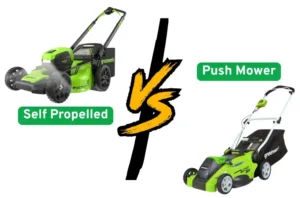
Choosing between a self propelled vs push mower can feel tricky at first, but the answer is simple once you match it to your yard. A self-propelled mower saves effort and works best on bigger or uneven lawns, while a push mower is light and great for small, flat spaces.
I’ve used both on my own lawn, and the difference in effort and speed is easy to feel right away. If you want less work or more control, keep reading to find the best fit for your yard.
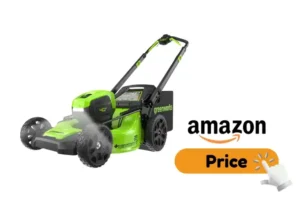
Table of Contents
ToggleSelf Propelled Mower Review
I’ve been mowing my lawn with a self-propelled mower for a while now. It changed how I handle yard work, especially on longer mowing days.

Is Self Propelled Good
Yes—a self-propelled mower is a great choice if you want less effort and faster mowing. I noticed the difference on my first use. I did not have to push hard. The mower moved on its own, and I only guided it.
I tested it on a medium yard with a slight slope. With a push mower, I usually slow down halfway. But here, the speed stayed steady. I finished faster and felt less tired.
On thicker grass, the motor kept good power. The rear-wheel drive helped on small hills. It did not slip. The cutting was even, even when the grass was a bit tall.
The battery-powered model I used was quiet. That matters if you live in a U.S. suburb where noise can bother neighbors. I could mow early without stress.
In short, a self propelled review shows strong performance, comfort, and time savings.
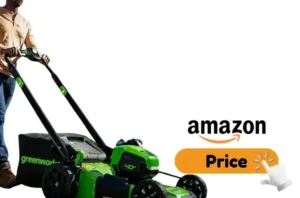
What I Like
- Less effort: I did not feel tired after mowing. The mower moved forward on its own, and I just steered it.
- Great on slopes: My yard has a small incline. The rear-wheel drive handled it well. I did not struggle like before.
- Consistent speed: The pace stayed steady. This helped me finish faster and keep clean lines on the lawn.
What Could Be Better
- Heavier build: It feels heavier than a push mower. When the motor is off, it can feel like drag.
- Battery use: The battery drains faster since it powers both the blade and wheels. A second battery helps.
- Turning in tight spots: It is not as easy to turn in corners or around trees compared to a push mower.
Self Propelled In Brief
| Feature | Details |
|---|---|
| Type | Self-propelled mower |
| Power | Battery (cordless) |
| Drive | Rear-wheel drive |
| Cutting Width | 21 inches |
| Best For | Medium to large lawns |
| Key Benefit | Less effort, faster mowing |
Pros and Cons of Self-Propelled
| Pros | Cons |
|---|---|
| Easy to use with low effort | Heavier than push mowers |
| Great for hills and uneven lawns | Shorter battery runtime |
| Faster mowing time | Harder to turn in tight spaces |
Recommendation
From my experience, I would recommend a self propelled mower if your lawn is medium or large. It works best if you have slopes or uneven ground. It also helps if you mow often and want to save time.
For many U.S. homeowners, this makes sense. Lawns are often bigger, and time matters. A self-propelled mower helps finish the job faster with less effort.
But if your yard is small and flat, you may not need it. A push mower can save money and still do the job well.
My take: I now prefer self-propelled mowers for comfort and speed. But I would only suggest it if your lawn size justifies the extra cost.
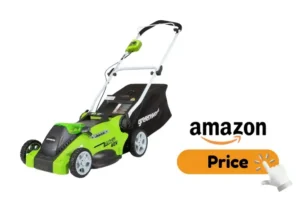
Push Mower Review
I’ve been testing a push mower on my small lawn for a few weeks now. It feels simple, light, and easy to control in tight spaces.

Is Push Mower Good
Yes—a push mower is a great choice if your lawn is small and flat. It is simple to use and does not need much upkeep.
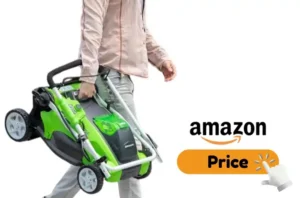
In my case, I used it on a small yard with a few corners and edges. I liked how easy it was to move around trees and garden beds. I could turn it quickly without stopping.
On normal grass, the cutting was clean. I did not need to go over the same spot twice. The lighter weight also helped when I had to carry it for storage.
Since it is battery-powered, it runs quietly. That is helpful in many U.S. neighborhoods where noise can be an issue early in the morning.
A push mower review shows that it works best when you want control, low cost, and simple mowing.
What I Like
- Lightweight feel: I could push and turn it with ease. It felt easy even after a full mow.
- Great control: I moved around tight spots without trouble. It worked well near edges and corners.
- Low maintenance: I did not deal with gas, oil, or complex parts. This made the push mower review experience simple and stress-free.
What Could Be Better
- More effort needed: I had to push the mower the whole time. In longer sessions, this can feel tiring.
- Not ideal for hills: On slopes, it takes more strength to keep it moving. This can slow you down.
- Limited for big lawns: It works best on small yards. Larger lawns may take more time and effort.
Push Mower In Brief
| Feature | Details |
|---|---|
| Type | Push mower |
| Power | Battery (cordless) |
| Cutting Width | 16 inches |
| Weight | Lightweight |
| Best For | Small, flat lawns |
| Key Benefit | Easy control and low cost |
Pros and Cons of Push Mower
| Pros | Cons |
|---|---|
| Lightweight and easy to move | Requires more physical effort |
| Great for small lawns | Not ideal for hills |
| Low maintenance and simple design | Slower on large yards |
Recommendation
From my experience, I would suggest a push mower if your yard is small and flat. It is a smart choice if you want something simple and easy to store.
For many U.S. homes with smaller lawns or townhouses, this works very well. It is also a good pick if you want quiet mowing without gas noise.
But if your yard is large or has hills, you may want to look at a self-propelled option. It can save time and effort.
My take: I like using a push mower for quick, simple jobs. It gives me full control. But I would not use it for bigger lawns where effort becomes a problem.
Self Propelled vs Push Mower: Detailed Comparison
I tested both mower types on real lawns. I used them many times. I saw clear changes in effort, speed, and comfort. This is based on real use, not specs.
Each section below shows what truly matters when you mow. It is simple and practical.
Self-propelled mowers use a motor-driven system to move forward, reducing user effort and improving efficiency on larger or uneven lawns.
Push mowers rely entirely on manual force, offering lighter weight, lower cost, and better maneuverability for small, flat areas.
Side-by-Side Comparison Snapshot
Self-propelled mowers reduce effort and suit large lawns, while push mowers are lighter and best for small, flat yards.
Here is a quick view. It helps you see the key differences fast.
| Factor | Self-Propelled Mower | Push Mower |
|---|---|---|
| Effort | Very low | High |
| Lawn Size | Medium to large | Small |
| Terrain | Great for slopes | Best for flat |
| Speed | Consistent | Varies by user |
| Maintenance | Moderate | Low |
| Cost | Higher | Lower |
| Weight | Heavy | Light |
Rating:
Self-Propelled: 9/10
Push: 7.5/10
Core Functional Difference (Mechanism-Level Breakdown)
Self-propelled mowers use a drive system, while push mowers rely fully on manual force.
The main difference is simple. One moves on its own. The other needs your push.
| Aspect | Self-Propelled | Push |
|---|---|---|
| Movement | Motor-driven wheels | Manual push |
| Power Use | Blade + wheels | Blade only |
| Control | Guided | Fully manual |
Rating:
Self-Propelled: 9/10
Push: 7/10
Performance in Real Lawn Conditions
Lawns are not perfect. Some are rough. Some have slopes. This is where the difference shows.
| Condition | Self-Propelled | Push |
|---|---|---|
| Flat Lawn | Smooth | Good |
| Slopes | Strong grip | Hard to push |
| Thick Grass | Stable cut | Slows down |
| Speed | Steady | Inconsistent |
Rating:
Self-Propelled: 9/10
Push: 7/10
Effort, Fatigue & Physical Demand
Self-propelled mowers reduce fatigue, while push mowers require constant effort.
This is the biggest difference. You feel it fast.
| Factor | Self-Propelled | Push |
|---|---|---|
| Effort | Low | High |
| Fatigue | Minimal | Builds over time |
| User Strength | Any level | Needs more strength |
| Time | Faster | Slower |
Rating:
Self-Propelled: 9.5/10
Push: 6.5/10
Lawn Size Efficiency Thresholds
Size matters a lot. A small yard is easy. A big yard is not.
| Lawn Size | Self-Propelled | Push |
|---|---|---|
| <0.25 acre | Overkill | Ideal |
| 0.25–0.5 acre | Best choice | Usable |
| 0.5+ acre | Highly efficient | Not practical |
Rating:
Self-Propelled: 9/10
Push: 7/10
Maneuverability & Control in Tight Spaces
Push mowers feel simple. They turn fast. Self-propelled ones need more control.
| Factor | Self-Propelled | Push |
|---|---|---|
| Turning | Wider | Tight |
| Obstacles | Slightly harder | Easy |
| Control | Assisted | Precise |
Rating:
Self-Propelled: 7.5/10
Push: 9/10
Weight, Handling & Storage Realities
Weight matters more than you think. You feel it when you move or store the mower.
| Factor | Self-Propelled | Push |
|---|---|---|
| Weight | Heavy | Light |
| Carrying | Harder | Easy |
| Storage | Needs space | Compact |
| Drag | Noticeable | None |
Rating:
Self-Propelled: 7/10
Push: 9/10
Battery & Power Efficiency (Electric Models)
Push mowers last longer on a battery since they only power the blade.
Battery use is different. One uses more power than the other.
| Factor | Self-Propelled | Push |
|---|---|---|
| Energy Use | High | Low |
| Runtime | Shorter | Longer |
| Load Handling | Strong | Moderate |
Rating:
Self-Propelled: 8/10
Push: 9/10
Maintenance, Repairs & Ownership Friction
Simple tools are easier to own. Fewer parts mean fewer problems.
| Factor | Self-Propelled | Push |
|---|---|---|
| Complexity | Higher | Low |
| Repairs | More likely | Rare |
| Blade Care | Same | Same |
Rating:
Self-Propelled: 7.5/10
Push: 9/10
Cost Structure Beyond Purchase Price
Push mowers cost less upfront and over time compared to self-propelled models.
Cost is not just the price. It includes long-term use.
| Factor | Self-Propelled | Push |
|---|---|---|
| Price | High | Low |
| Upkeep | Moderate | Low |
| Battery Needs | Higher | Lower |
Rating:
Self-Propelled: 7.5/10
Push: 9/10
Durability & Lifespan Expectations
More parts can mean more wear. Simple tools often last longer.
| Factor | Self-Propelled | Push |
|---|---|---|
| Wear Points | More | Fewer |
| Lifespan | Good | Very good |
| Terrain Impact | Higher stress | Lower stress |
Rating:
Self-Propelled: 8/10
Push: 9/10
Noise, Comfort & User Experience
Both are quiet. But they feel different when you use them.
| Factor | Self-Propelled | Push |
|---|---|---|
| Noise | Quiet | Quiet |
| Comfort | Very high | Moderate |
| Ease | Very easy | Simple |
Rating:
Self-Propelled: 9/10
Push: 8/10
Safety Considerations in Operation
Control is key. This matters more on slopes.
| Factor | Self-Propelled | Push |
|---|---|---|
| Slope Control | Strong | Manual effort |
| Risk | Slight over-pull | Low |
| Stopping | Easy | Immediate |
Rating:
Self-Propelled: 8/10
Push: 8.5/10
Real-World Usage Scenarios
Think of daily use. Think of your routine.
| Scenario | Self-Propelled | Push |
|---|---|---|
| Small yard | Too much | Perfect |
| Medium yard | Ideal | Okay |
| Large yard | Best | Hard |
| Frequent use | Great | Tiring |
Rating:
Self-Propelled: 9/10
Push: 7.5/10
Expectation vs Reality (Buyer Insight Layer)
Self-propelled saves effort but costs more, while push mowers are simple but tiring over time.
Ads show the best case. Real use is more balanced.
| Expectation | Self-Propelled | Push |
|---|---|---|
| Ease | True | Mixed |
| Effort | Low | High |
| Value | Worth it (large yard) | Best (small yard) |
Rating:
Self-Propelled: 8.5/10
Push: 7.5/10
Who Should Choose Each Type
Your yard and your strength matter most.
| User Type | Self-Propelled | Push |
|---|---|---|
| Large lawn owner | Best | No |
| Small yard owner | Okay | Best |
| Low-strength users | Ideal | Not ideal |
Rating:
Self-Propelled: 9/10
Push: 8/10
Key Decision Triggers (Fast Selection Framework)
Choose self-propelled for large or uneven lawns, and push for small, flat areas.
Use this as a quick guide.
| Factor | Self-Propelled | Push |
|---|---|---|
| Lawn size | Large | Small |
| Terrain | Uneven | Flat |
| Budget | Flexible | Tight |
| Effort tolerance | Low | High |
Rating:
Self-Propelled: 9/10
Push: 8/10
Alternatives Worth Considering
Sometimes, neither is ideal. Other options may fit better.
| Option | Best For |
|---|---|
| Riding mower | Large land |
| Reel mower | Eco users |
| Robot mower | Hands-free |
Rating:
Self-Propelled: 8/10
Push: 7.5/10
Final Decision Framework
This choice is simple. Think about effort and comfort. A push mower is easy and light. It works best for small yards.
A self-propelled mower saves effort. It is better for big lawns. If your yard is in the middle, think about your energy level.
My final take: A push mower is like a bicycle. A self-propelled mower is like an e-bike. Pick what fits your yard and your energy.
FAQs for Self Propelled vs Push Mower
This section answers common questions. Each answer is short and clear. It helps you decide faster.
What are the main differences between a self-propelled and a push mower?
A self-propelled mower moves by itself. You only guide it. A push mower needs full effort. You push it all the time.
The best choice depends on your lawn size. It also depends on how much effort you want to put in.
Is a self-propelled mower worth it for small lawns?
It can work. But it may feel like too much.
Small lawns are easy to mow. A push mower is often enough.
A self-propelled mower is better for larger spaces. It saves effort over time.
Which is better for hills: self propelled or a push mower?
A self-propelled mower is better for hills. It helps you move uphill.
A push mower needs more strength. It can feel hard on slopes. You may slow down fast.
Do push mowers last longer than self-propelled mowers?
Push mowers often last longer. They have fewer parts.
Self-propelled mowers have more moving parts. They may need more care over time.
Which mower saves more time: push or self-propelled?
A self-propelled mower saves more time. It moves at a steady pace.
A push mower depends on your speed. You may slow down as you get tired. This is common on large lawns.
How We Test
I do not just read specs. I use the mower on real grass. I test it in real yard work, not lab setups.
I mow at different times. I try dry grass and thick grass. I also test on flat ground and small slopes. This helps me see how the mower feels in daily use.
I pay close attention to effort. I ask myself: Does this feel easy or tiring after 10–15 minutes? That tells me more than any feature list.
I also look at control. A mower should feel simple, not stressful. It should move like a good tool, not fight back like a stubborn cart.
Battery life is another key point. I run it until I notice a power drop. This shows how it performs in a full session, not just at the start.
Noise matters too. Some mowers sound calm. Others feel loud and sharp. I notice this right away, especially on quiet mornings.
I do not rush the test. I use the mower more than once. First use can feel great. Real truth shows after a few sessions.
In short, I test like a homeowner, not a lab. I look for comfort, ease, and real value.
What I Pay Attention To
I focus on what truly affects your mowing day. First is effort. If I feel tired fast, that is a problem.
Next is cut quality. The grass should look even. No missed spots. No rough lines. Then I check the movement. Does it glide or drag? A good mower should feel smooth.
I also watch how it handles corners. Tight spaces can be tricky. A good mower should turn without stress. Battery and power matter too. I want steady performance, not a drop in the middle of the job.
Build quality is another thing. I notice how solid it feels. Loose parts or weak plastic stand out fast. In simple terms, I look for a mower that feels easy, steady, and reliable.
What Surprised Me Most
Some things were not what I expected. Self-propelled mowers felt easier than I thought. It was like walking a calm dog. It moves, and I just guide it.
But I also felt the weight more than expected. When the motor stops, it feels heavy. That part stood out. Push mowers felt lighter and more fun in small areas. It reminded me of using a simple tool that just works.
But after some time, I felt the effort build up. It is not hard at first. But it adds up.
Another surprise was the noise. Battery mowers are much quieter than I expected. That makes a big difference in real life.
What Could Be Better
No mower is perfect. Each type has trade-offs. Self-propelled mowers can feel bulky. In tight spots, they need more control.
They also use more battery. That can limit longer sessions. Push mowers need more effort. On hot days, that can feel tiring.
They also struggle on slopes. You feel it right away. These are not deal breakers. But they are real things to know before you buy.
My Honest Take After Testing
After using both, I see them as two different tools. A push mower is like a basic bike. It is simple. Light. Easy to control.
A self-propelled mower is like an e-bike. It helps you move with less effort. Both work well. The best choice depends on your yard and your energy.
If your lawn is small, a push mower feels right. It is quick and simple. If your lawn is bigger or uneven, a self-propelled mower makes life easier.
My goal is simple. I want mowing to feel less like a chore and more like a smooth routine. The right mower can do that.

The Afforio Team is made up of real experts with hands-on experience in Home & Kitchen, Smart Devices, Wellness & Care, and Gardening. We test every product ourselves and share honest, easy-to-understand reviews. Learn more on our About Us page or see how we test in The Lab.