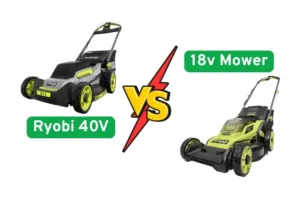
Ryobi 40V vs 18V Mower: Details Comparison
I’ve been testing both the Ryobi 18V and 40V mower systems while helping friends maintain different types of lawns. One yard was small and tight. Another had thicker grass and more space. That gave me a clear look at how each system behaves in real mowing conditions.
Both mowers work well, but they are built with different goals in mind. The Ryobi 18V platform focuses on convenience and versatility, while the 40V platform focuses on outdoor power and replacing gas tools.
The main difference between the Ryobi 40V and 18V lawn mowers is power and yard capacity. Ryobi 40V mowers are designed for medium to large lawns and thicker grass, delivering gas-like cutting performance and longer runtime. Ryobi 18V mowers prioritize lightweight portability and tool compatibility, making them better suited for small yards and light-duty mowing.
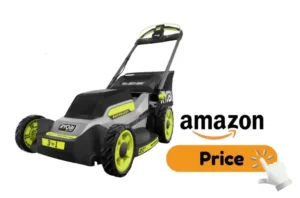
Core Platform Difference: What the Two Ryobi Systems Are Built For
The Ryobi 18V and 40V systems are not just different batteries. They represent two very different design philosophies.
Purpose of the Ryobi 18V ONE+ Platform
The Ryobi ONE+ 18V platform is a huge tool ecosystem. It powers drills, drivers, blowers, lights, and many other home tools.
The idea is simple: one battery for many tools. This makes it great for homeowners who want convenience and portability.
It is designed mostly for:
- Small yards
- Light trimming and maintenance
- Home improvement tools
Purpose of the Ryobi 40V Platform
The Ryobi 40V system is built mainly for outdoor power equipment. Think lawn mowers, chainsaws, trimmers, and snow blowers.
This platform aims to replace gas tools. It provides higher torque and longer runtime.
It is designed for:
- Larger lawns
- Thicker grass
- Heavier outdoor work
Platform Philosophy: Versatility vs Dedicated Outdoor Power
| Platform Focus |
Ryobi 18V System |
Ryobi 40V System |
| Primary Goal |
Multi-tool ecosystem |
Outdoor power equipment |
| Power Level |
Light duty |
High power |
| Typical Yard Size |
Small yards |
Medium to large lawns |
| Tool Ecosystem |
300+ tools |
Outdoor equipment only |
Rating
Ryobi 18V Platform: 8/10
Ryobi 40V Platform: 9/10

Side-by-Side System Comparison
The Ryobi 40V mower offers more power and runtime, while the 18V mower focuses on lightweight and tool compatibility.
When you compare the two systems side by side, the differences become very clear. One favors portability, while the other focuses on mowing performance.
| Feature |
Ryobi 18V Mower |
Ryobi 40V Mower |
| Power Output |
Light-duty |
Gas-equivalent performance |
| Typical Deck Size |
13–16 inches |
20–21 inches |
| Runtime Range |
20–30 minutes |
45–70 minutes |
| Yard Size Suitability |
Small yards |
Medium to large lawns |
| Weight |
Very lightweight |
Heavier but stronger |
| Battery Ecosystem |
300+ tools |
Outdoor equipment focused |
Rating
Ryobi 18V Mower: 7.5/10
Ryobi 40V Mower: 9/10
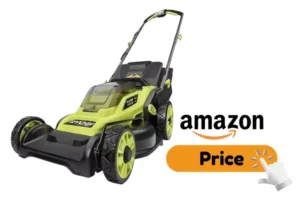
Motor Performance and Torque Under Real Mowing Conditions
Brushless motors power both platforms, but the real difference appears when the grass becomes thick or uneven.
In my experience, the 40V motor keeps the blade speed more stable when the mower hits dense patches. The 18V motor works best when the grass is short and trimmed often.
| Performance Factor |
Ryobi 18V Mower |
Ryobi 40V Mower |
| Brushless Motor Response |
Moderate |
Strong |
| Thick Grass Handling |
Can slow down |
Maintains torque |
| Wet Grass Performance |
Limited |
More capable |
| Continuous Mowing |
Best for short sessions |
Handles longer runs |
Sometimes I notice the blade speed adjusts when the mower hits thick grass. The 40V system recovers faster.
Rating
Ryobi 18V Motor Performance: 7/10
Ryobi 40V Motor Performance: 9/10
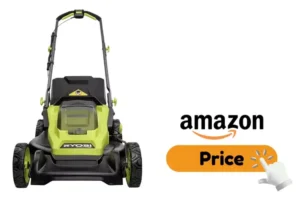
Battery System and Runtime Reality
Battery capacity makes a major difference between these platforms.
The 40V battery stores much more energy, so it can run longer without swapping packs.
| Battery Factor |
Ryobi 18V Mower |
Ryobi 40V Mower |
| Voltage |
18V |
40V |
| Typical Runtime |
20–30 min |
45–70 min |
| Heat Management |
Warms under heavy load |
Runs cooler |
| Recharge Workflow |
May require extra batteries |
Often, one battery per lawn |
For small yards, one 18V battery may be enough. But larger lawns often require two or three batteries.
Rating
Ryobi 18V Battery System: 7/10
Ryobi 40V Battery System: 9/10
Cutting Deck Size and Lawn Coverage Efficiency
Deck width affects mowing time more than many people expect.
A wider deck cuts more grass per pass, which means fewer laps across the yard.
| Cutting Factor |
Ryobi 18V Mower |
Ryobi 40V Mower |
| Deck Width |
13–16 inches |
20–21 inches |
| Coverage Speed |
Slower |
Faster |
| Tight Yard Maneuvering |
Excellent |
Good |
| Passes Required |
More |
Fewer |
In practice, smaller decks mean you spend more time walking back and forth.
Rating
Ryobi 18V Deck Efficiency: 7/10
Ryobi 40V Deck Efficiency: 9/10
Weight, Handling, and Storage Practicality
Weight plays a huge role in daily use.
The 18V mower feels very light. It moves easily around trees and garden beds.
| Handling Factor |
Ryobi 18V Mower |
Ryobi 40V Mower |
| Weight |
~36 lbs |
~60+ lbs |
| Push Effort |
Very easy |
Moderate |
| Storage |
Very compact |
Compact with a folding handle |
| Hills and Slopes |
Easier to control |
More effort required |
For tight yards, the 18V mower feels like pushing a large vacuum cleaner.
Rating
Ryobi 18V Handling: 9/10
Ryobi 40V Handling: 8/10
Lawn Type Compatibility
Different grass types create different resistance on mower blades.
Dense grasses need stronger motors.
| Grass Type |
Ryobi 18V Mower |
Ryobi 40V Mower |
| Bermuda |
Moderate |
Strong |
| St. Augustine |
Struggles with thick |
Good |
| Kentucky Bluegrass |
Good |
Very good |
| Fescue |
Good |
Excellent |
Thicker lawns often push the 18V system to its limits.
Rating
Ryobi 18V Grass Compatibility: 7/10
Ryobi 40V Grass Compatibility: 9/10
Maintenance Expectations and Ownership Simplicity
Battery mowers remove many problems that gas mowers create.
No oil. No spark plugs. No carburetors.
| Maintenance Area |
Ryobi 18V |
Ryobi 40V |
| Engine Maintenance |
None |
None |
| Blade Care |
Occasional sharpening |
Occasional sharpening |
| Seasonal Storage |
Simple |
Simple |
| Long-Term Battery Wear |
Possible replacement |
Possible replacement |
The main long-term cost comes from battery replacement.
Rating
Ryobi 18V Maintenance Simplicity: 9/10
Ryobi 40V Maintenance Simplicity: 9/10
Battery Ecosystem Value: Tool Compatibility Advantage
This is where the 18V system really shines.
The ONE+ platform supports hundreds of tools across many categories.
| Ecosystem Area |
Ryobi 18V |
Ryobi 40V |
| Tool Variety |
300+ tools |
Outdoor focused |
| Drill Compatibility |
Yes |
No |
| Leaf Blower Options |
Yes |
Yes |
| Chainsaws |
Limited |
Yes |
If you already own Ryobi drills and drivers, the 18V mower may fit your setup better.
Rating
Ryobi 18V Ecosystem Value: 10/10
Ryobi 40V Ecosystem Value: 8/10
Cost of Ownership Over Time
The purchase price is only part of the story.
Battery replacements and yard size affect long-term cost.
| Cost Factor |
Ryobi 18V |
Ryobi 40V |
| Initial Price |
Lower |
Higher |
| Battery Cost |
Moderate |
Higher |
| Charger Compatibility |
Shared with tools |
Dedicated chargers |
| Long-Term Value |
Best for small yards |
Best for larger lawns |
Rating
Ryobi 18V Cost Efficiency: 8/10
Ryobi 40V Cost Efficiency: 8.5/10
Durability and Build Quality
Both mowers use durable plastic decks and brushless motors.
| Build Factor |
Ryobi 18V |
Ryobi 40V |
| Deck Strength |
Good |
Very good |
| Motor Durability |
Good |
Very strong |
| Heavy Work Stress |
Limited |
Handles better |
The 40V platform feels more robust under heavier mowing loads.
Rating
Ryobi 18V Durability: 7.5/10
Ryobi 40V Durability: 9/10
Situational Performance: Where Each Platform Struggles
Every mower has limits.
| Situation |
Ryobi 18V |
Ryobi 40V |
| Very Thick Grass |
Struggles |
Handles better |
| Large Lawns |
Battery swaps needed |
Works well |
| Small Yards |
Excellent |
Sometimes overkill |
Rating
Ryobi 18V Limit Handling: 7/10
Ryobi 40V Limit Handling: 8.5/10
Real-World Ownership Friction Points
Ownership feels different over time.
| Issue |
Ryobi 18V |
Ryobi 40V |
| Battery Swapping |
Common on bigger lawns |
Rare |
| Weight Fatigue |
Very low |
Moderate |
| Storage Space |
Very small footprint |
Still compact |
Rating
Ryobi 18V Ownership Comfort: 9/10
Ryobi 40V Ownership Comfort: 8.5/10
Who the Ryobi 18V Mower Is Best For
| Ideal User |
Fit |
| Small suburban lawns |
Excellent |
| Existing 18V tool owners |
Perfect |
| Lightweight tool preference |
Excellent |
| Weekly maintenance mowing |
Very good |
Rating
Ryobi 18V Fit: 9/10
Ryobi 40V Fit: 7/10
Who the Ryobi 40V Mower Is Best For
| Ideal User |
Fit |
| Medium residential lawns |
Excellent |
| Thick grass areas |
Excellent |
| Gas mower replacement |
Very strong |
| Faster mowing |
Excellent |
Rating
Ryobi 18V Fit: 7/10
Ryobi 40V Fit: 9.5/10
Situations Where Either Platform Works Well
| Situation |
Ryobi 18V |
Ryobi 40V |
| Small dense lawns |
Good |
Good |
| Weekly mowing |
Excellent |
Excellent |
| Mixed landscaping |
Good |
Good |
Rating
Ryobi 18V Versatility: 8.5/10
Ryobi 40V Versatility: 8.5/10
Pros and Cons of Ryobi 40V vs 18V Mower
Both platforms have strengths. The right choice depends on yard size and mowing habits.
| Platform |
Pros |
Cons |
| Ryobi 18V |
Lightweight, huge tool ecosystem, easy storage |
Less power, smaller deck |
| Ryobi 40V |
Strong power, longer runtime, wider cutting |
Heavier, higher battery cost |
Rating
Ryobi 18V Overall: 8/10
Ryobi 40V Overall: 9/10
Alternative Considerations Before Choosing
Sometimes another option may fit better.
| Alternative |
When It Helps |
| Self-propelled 40V mower |
Larger lawns or hills |
| Dual-battery 18V setup |
Extended runtime |
| Gas mower |
Very large or rural properties |
Rating
Ryobi 18V Flexibility: 8/10
Ryobi 40V Flexibility: 9/10
Decision Factors That Should Guide the Final Choice
Choose 18V for small lawns and portability. Choose 40V for larger yards and stronger cutting power.
| Decision Factor |
Better Choice |
| Lawn size |
40V |
| Small yards |
18V |
| Thick grass |
40V |
| Tool ecosystem |
18V |
| Storage needs |
18V |
Rating
Ryobi 18V Decision Fit: 8.5/10
Ryobi 40V Decision Fit: 9/10
Practical Verdict Based on Lawn Size and Workload
| Situation |
Best Choice |
| Small urban yard |
Ryobi 18V |
| Medium suburban lawn |
Ryobi 40V |
| Thick grass conditions |
Ryobi 40V |
Rating
Ryobi 18V Practical Value: 8.5/10
Ryobi 40V Practical Value: 9/10
Under-Discussed Factor: Battery Platform Commitment
Choosing a battery platform is like choosing a small ecosystem.
Once you buy several tools, switching systems becomes harder.
The 18V platform opens the door to hundreds of home tools. The 40V platform focuses more on serious yard equipment.
If you plan to expand your tool collection, this decision can shape your garage for years.
| Platform Factor |
Ryobi 18V |
Ryobi 40V |
| Ecosystem Expansion |
Huge |
Moderate |
| Future Tool Flexibility |
Very high |
Outdoor focused |
| Platform Commitment |
Long-term |
Long-term |
Rating
Ryobi 18V Ecosystem Future: 10/10
Ryobi 40V Ecosystem Future: 8.5/10
FAQs for Ryobi 40V vs 18V Mower
What are the main differences between the Ryobi 40V and 18V mowers?
The Ryobi 18V mower is lightweight and designed for small yards. It focuses on portability and compatibility with the ONE+ tool system. The Ryobi 40V mower delivers more power, a wider cutting deck, and longer runtime, making it better suited for medium to large lawns.
Which Ryobi mower is better for thick or tall grass?
The Ryobi 40V mower performs better in thick or tall grass because it provides stronger torque and maintains blade speed under heavier loads. The 18V mower works best for light maintenance and lawns that are cut regularly.
Can I use my 18V Ryobi batteries on the 40V mower?
No. The 18V and 40V platforms use different battery systems. Their batteries and chargers are not compatible, so each mower requires its own battery type.
How do the runtimes compare between the 18V and 40V mowers?
A typical Ryobi 18V mower runs for about 20–30 minutes per charge, depending on battery capacity and grass conditions. The Ryobi 40V mower usually runs 45–70 minutes, offering longer mowing sessions before needing a recharge.
Which Ryobi mower is easier to handle and store?
The Ryobi 18V mower is lighter and easier to maneuver, especially in tight spaces or smaller yards. The Ryobi 40V mower is heavier, but it covers larger lawns faster and still stores compactly thanks to its folding handle design.
How We Test
When I review a mower, I try to use it the way most homeowners do. I mow real lawns. I do not just read specs or brand claims. I push the mower through normal grass, thick patches, and tight corners near fences and garden beds.
Some parts of testing happen in what we call The Lab. The Lab is our simple test space where we check basic things like weight, start speed, noise, and battery use. It helps us compare tools side by side in a calm setting.
But a mower cannot live only in The Lab. Grass in the real world is messy. It grows fast. It gets wet after rain. That is why most of my testing happens outside on real lawns.
Think of testing like taking a car on a long drive. A short spin in a parking lot does not tell you much. Real use shows how a machine feels day after day.
For this comparison of the Ryobi 40V vs 18V mower, I used both systems on different lawns. One yard was small and simple. Another had thicker grass and more space. This helped me see where each mower works well and where it slows down.
Real Lawn Conditions
Many reviews only talk about features. I focus on how the mower behaves in a real yard.
I mow on uneven ground, near trees, and along fences. I also watch what happens when the grass grows a bit too tall after rain.
This shows the real difference between an 18V vs 40V Ryobi lawn mower. One feels light and easy to move. The other feels stronger when the grass gets thick.
What I Pay Attention To
When I test a mower, I look at a few simple things.
First is cutting power. A good mower should keep the blade moving when the grass gets dense.
Second is runtime. Most people want to finish mowing in one charge. I watch how long the battery lasts and how the power feels near the end.
Third is ease of use. Lawn care should not feel like hard work. I check how easy it is to start the mower, adjust the height, and move in tight spots.
Finally, I think about noise and comfort. Battery mowers should feel calm and simple compared with gas tools.
A Balanced Look
No mower is perfect. Even good tools have limits.
In my experience, the Ryobi 40V lawn mower often feels closer to gas power. It handles thicker grass and larger lawns with less effort.
The Ryobi 18V mower feels lighter and easier to control. It works well for small yards and quick weekly cuts.
Both systems have strengths. Both also have small trade-offs. That is why this review focuses on real use, not just marketing claims.
Why This Matters
Choosing a mower is a bit like choosing shoes for a long walk. The right pair depends on the path you take.
A small yard needs something light and easy. A larger lawn needs more strength and longer runtime.
My goal is simple. I want to show how these tools behave in real life. That way, you can decide which mower fits your yard and your routine.